no paywalls
-
33) Man Hating
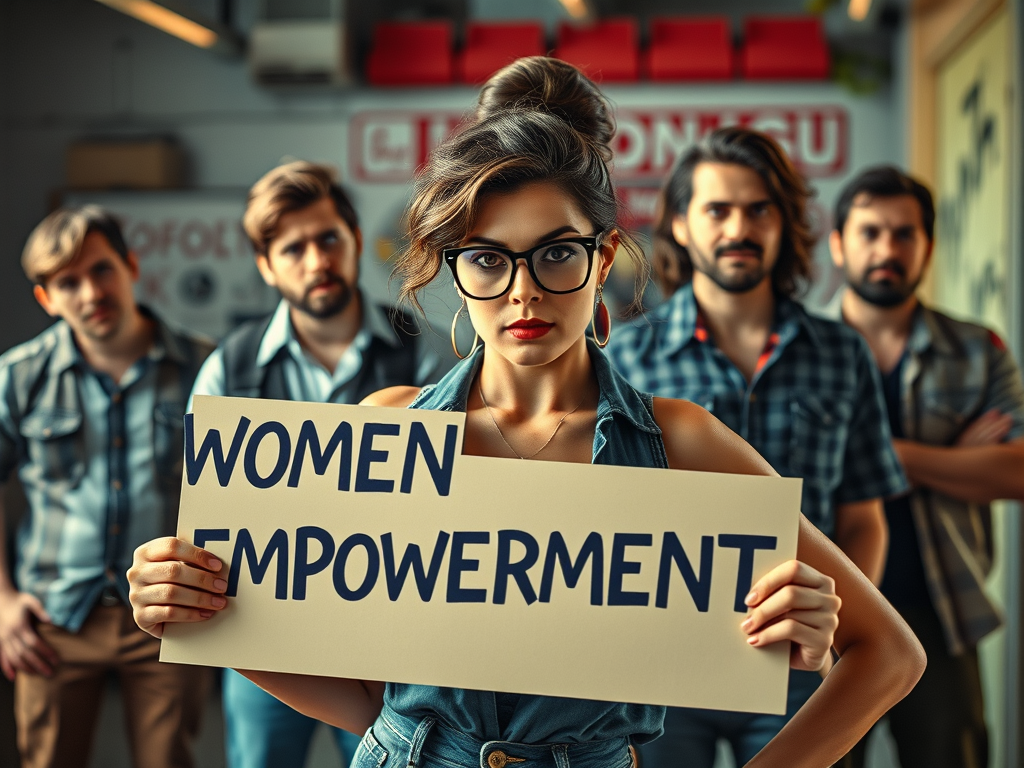
In the 1990s, gender dynamics were marked by a struggle between men asserting dominance and women fighting for recognition. Popular media reflected this tension, while feminism emerged as a counternarrative. Personal experiences showcased deep-seated frustrations with sexism, highlighting the emotional toll and societal expectations placed on women during that era. Continue reading
Conformity and Control, cult of the ego, cycle breaking, Erasing The Silence, grooming, Social Issues, Uncategorizedabuse, advice, anger, anthropology, autoethnography, cis, comedy, communication, community, content warning, cult of the ego, discourse, family, feminism, Free, gender, gender roles, health, help, journal, life, lifestyle, man hater, me too, men, music, no paywalls, outreach, patriarchal bargain, patriarchy, personal truth, perspective, psychology, resources, self help, self improvement, sexism, social science, sociology, struggle, survivor, terf, terfs, therapy, trigger warning, women -
32) Sisters Part Three

The narrative explores the author’s complex upbringing under a mother who employed strict, dog-training-like tactics to mold her children, often indulging in power struggles. This led to emotional manipulation and gaslighting, impacting behavior and self-worth. The author reflects on the environment that fostered validation through parenting methods devoid of empathy. Continue reading
abuse, adults, advice, anthropology, autoethnography, childhood, children, communication, community, conditioning, content warning, cptsd, cult of the ego, cycle breaking, cycles of abuse, discipline, family, food, Free, health, help, journal, kids, learning, life, me too, mom, narcissism, no paywalls, outreach, personal truth, perspective, psychology, ptsd, punishment, resources, self help, self improvement, social science, spanking, struggle, survivor, therapy, training, trauma, trigger warning -
1) Stronger Than My Collagen

The author, a 45-year-old disabled individual, shares personal experiences and revelations from navigating life with rare disorders. They aim to explore themes of intersectionality, trauma, and societal issues through writing. Committed to giving voice to the silenced, the author emphasizes the importance of sharing stories and addressing triggering topics candidly. Continue reading
adhd, advice, America, anthropology, anxiety, Autism, autoethnography, communication, community, content warning, cult of the ego, Diagnoses, ehlers, ethnography, family, Free, gender, healing, health, healthcare, help, homelessness, housing, journal, journaling, journey, klinefelters, life, me too, Medicine, Mental Health, narrative, no paywalls, outreach, participant observation, personal, personal truth, perspective, politics, psychology, ptsd, race, Rare Diagnoses, resources, science, self help, self improvement, social science, sociology, struggle, survival, survivor, therapy, trauma, trigger warning, turners, Wealthcare, writer, writing, Zebra -
31) Mom’s Mistake

The author reflects on their relationship with their mother, their place in the family, and how they coped. Continue reading
Conformity and Control, cult of the ego, cycle breaking, Erasing The Silence, grooming, Social Issues, Uncategorizedabuse, accient, advice, anthropology, autoethnography, bastard, belonging, communication, community, conservative, content warning, coping, cult of the ego, cutting, cycle breaker, cycle breaking, family, family scapegoat syndrome, family science, family structure, fitting in, Free, growing up, health, help, journal, liberal, life, lifestyle, me too, Mental Health, mistake, mom, narratives, no paywalls, outreach, parenting, pecking order, personal truth, perspective, republican, resources, scapegoat, script theory, scripts, self help, self improvement, social science, stories, struggle, survivor, teens, therapy, trigger warning -
30) Public Shaming

Public shaming in educational settings has severe detrimental effects on children’s identity and mental health. It fosters fear, resentment, and low self-esteem, and reinforces negative behaviors such as bullying. A nurturing environment, free from humiliation, is critical for fostering growth, vulnerability, and overall wellbeing in children facing diverse challenges. Continue reading
Conformity and Control, cult of the ego, cycle breaking, Erasing The Silence, grooming, Health and Healing, Social Issues, theory, Uncategorizedadministration, adolescence, advice, anthropology, autoethnography, brene brown, bullying, childhood, columbine, communication, community, content warning, counselors, cult of the ego, damage, damage control, family, Free, happy child, health, help, human improvement project, journal, learning, life, me too, Mental Health, no more, no paywalls, not on my watch, outreach, parenting, personal truth, perspective, principal, psychology, public school, public shaming, resources, safety, school, school shooter, self help, self improvement, shame, shame resilience, social science, sociology, stand with emma, struggle, super intendent, survivor, teachers, therapy, toxicity, toxicity toolkit, trigger warning, vulnerability, Wellness -
29) Sisters Part Two

The author reflects on the challenging experience of caring for younger sisters, feeling the absence of their mother. Bath time transforms from joy to a struggle, marked by fear and harsh discipline influenced by the mother’s expectations. The narrator grapples with feelings of inadequacy and learns harmful lessons on parenting. Continue reading
Conformity and Control, cult of the ego, cycle breaking, Erasing The Silence, grooming, Social Issues, Uncategorizedabuse, advice, anthropology, autoethnography, bath, childcare, communication, community, content warning, cult of the ego, cycle, cycle breaker, cycles of abuse, dysfunction, dysfunctional family, dysregulation, family, family scapegoat syndrome, Free, grooming, growing up, health, help, journal, life, me too, mom, narcissist, no paywalls, outreach, parentified, parentified child, personal truth, perspective, psychology, resources, self help, self improvement, sisters, social science, sociology, spanking, struggle, survivor, teens, therapy, training, trigger warning, water -
28) Sisters

The author reflects on their complex relationships with younger sisters, shaped significantly by the loss of their father. Sister A, often feeling neglected, developed a distrustful personality, while Sister B became the author’s cherished companion. The narrative explores family dynamics, caregiving responsibilities, and the lasting impact of grief on sibling connections. Continue reading
Conformity and Control, cult of the ego, cycle breaking, Erasing The Silence, grooming, Social Issues, Uncategorizedadvice, anthropology, autoethnography, babies, child rearing, communication, community, content warning, depression, development, family, Free, grooming, health, help, journal, life, me too, Mental Health, milestones, naptime, no paywalls, outreach, personal truth, perspective, preteen, psychology, recovery, resources, self help, self improvement, sib, sisters, sociology, struggle, suicide, survivor, teenager, therapy, toddler, toddlers, training, trauma, trigger warning -
27) Autism

The author reflects on their journey with autism and ADHD, emphasizing the struggles of misdiagnosis and societal expectations. They recount experiences of isolation, misunderstanding, and the challenges of conformity in a rigid educational system. The narrative highlights the need for better recognition of autism, particularly among girls and non-binary individuals. Continue reading
Conformity and Control, cult of the ego, cycle breaking, Erasing The Silence, grooming, Health and Healing, Social Issues, Uncategorizedabuse, adhd, advice, anthropology, assessment, Autism, autistic, autoethnography, communication, community, content warning, diagnosis, family, Free, gender, health, help, journal, life, lifestyle, me too, no paywalls, outreach, personal truth, perspective, psychology, punishment, resources, rfk, schizophrenia, self diagnosed, self help, self improvement, sociology, struggle, survivor, therapy, trigger warning, undiagnosed, vaccine -
26) Adolescent Sexuality

The author reflects on adolescence. Continue reading
cult of the ego, cycle breaking, Erasing The Silence, grooming, Poetry, Social Issues, Uncategorizedadolescence, advice, anthropology, autoethnography, autonomy, becoming, bisexual, bonding, communication, community, content warning, dare, experimentation, exploration, family, Free, gender, gender roles, grooming, health, help, journal, life, me too, no paywalls, nonbinary, outreach, pansexual, personal truth, perspective, psychology, resources, self help, self improvement, sexuality, sociology, struggle, survivor, therapy, trans, transgender, trauma, traumabonding, trigger warning, undesirable, unlovable -
25) My Gender

Protyus A. Gendher’s poem “My Gender” explores the complexities of gender identity through vivid imagery and personal experiences. It reflects on themes of personal struggle, societal expectations, and emotional growth. Gendher illustrates gender as a multifaceted journey filled with chaos, joy, trauma, and resilience, emphasizing self-acceptance and individuality. Continue reading
Conformity and Control, cult of the ego, cycle breaking, Erasing The Silence, Poetry, Social Issues, Uncategorizedacceptance, advice, authenticity, autoethnography, autonomy, becoming, belonging, coming of age, communication, community, content warning, expression, family, Free, gender, gender roles, genuine, health, help, human, humanness, identity, journal, lgbt, life, me too, no paywalls, outreach, personal truth, perspective, Poetry, raw, resources, role behavior, self, self acceptance, self care, self help, self improvement, self love, self worth, struggle, survivor, therapy, trans, trans rights, trigger warning, truth, understanding, vulnerable -
24) It’s Ok

The content explores the complexities of grief through a reflective lens. It emphasizes that it’s acceptable to experience various emotions during mourning, highlighting the notion that one can feel both okay and not okay simultaneously. The author encourages self-acceptance and underscores the importance of personal healing journeys. Continue reading
advice, anthropology, authenticity, autoethnography, communication, community, connection, content warning, family, Free, grief, grieving, healing, health, help, its ok, journal, life, losing people, loss, loved ones, me too, Mental Health, moving on, no paywalls, outreach, personal truth, perspective, poem, Poetry, psychology, recovery, resources, script, script theory, self help, self improvement, struggle, suicide, survivor, therapy, trauma, trigger warning -
23) Conformity Part Two

The Stanford Prison Experiment, conducted by Philip Zimbardo in 1971, showcased the impact of perceived authority on human behavior in a simulated prison environment. Initially planned for two weeks, it ended after six days due to distress among participants, revealing how power and helplessness can drastically alter individuals’ actions and psyche. Continue reading
Conformity and Control, cult of the ego, cycle breaking, Erasing The Silence, Social Issues, theory, Uncategorizedabuse, abuse of power, advice, anthropology, authority, behavior, coercion, communication, community, conformity, consequences, content warning, cult, cult of the ego, experiment, family, Free, guards, health, help, human, human behavior, human nature, human suffering, journal, life, me too, Mental Health, mock, nazi germany, no paywalls, outreach, personal truth, perspective, power, prison, prison life, psychology, regulation, resources, self help, self improvement, social, social psych, sociology, stanford, stanford prison experiment, struggle, students, survivor, testing, theory, therapy, trauma, trauma informed, trigger warning, volunteers, zimbardo -
22) Mom

The narrative recounts the author’s complicated relationship with their mother following their father’s suicide. It depicts their mother’s struggles while raising her children amid grief, her strong personality, unique habits, and joys, such as cooking and gardening. Over time, her bitterness and distance grew, reflecting deep emotional turmoil. Continue reading
Conformity and Control, cult of the ego, cycle breaking, Erasing The Silence, grooming, human trafficking, Social Issues, Uncategorizedable, advice, anthropology, approval, autoethnography, beighton scale, bitter, butch, capable, child, childhood, chronic illness, chronic pain, communication, community, conformity, content warning, control, cooking, cosby show, country music, culture, dad, death, dog breeder, dogs, drive in, dump and pour, family, food, Free, gardening, gender, genetic, george strait, growing up, health, help, hoarder, hypermobile, journal, judgmental, jurassic park, kitchen, language, life, linguistics, man hater, me too, mens clothes, mixed tape, mom, move, narcissist, no paywalls, oldies, outreach, outside, pain, Parent, personal truth, perspective, pockets, produce, psychology, racist, records, relationship, resources, script, script theory, self help, self improvement, shopping, soccer, social science, sociology, spaniels, strength, struggle, survivor, therapy, trigger warning, vinyl, widow, woman, x files, Zebra -
83) Fire

In autumn Wyoming, preparations for winter begin amidst a backdrop of emotional turmoil. The narrator feels a growing distance from her partner, exacerbated by his struggles. A fire starts during yard work, leading to chaos and fear. The narrator grapples with feelings of resentment and entrapment as relationships become strained. Continue reading
advice, blade, blaze, communication, community, content warning, family, fire, Free, health, help, journal, life, love triangle, me too, no paywalls, outreach, personal truth, perspective, polyamory, polygamy, resources, second wife, self help, self improvement, struggle, survivor, therapy, trigger warning -
52) Human Trafficking Part Two

The content explores the cultural and religious codification of patriarchy and the resulting impact on women across various societies, including Islam, Buddhism, and Shinto. It highlights the role of women in these systems, the prevalence of human trafficking and domestic violence, and critiques the social structures that perpetuate inequality and control. Continue reading
advice, bible, brainwashing, centrist, communication, community, conservative, content warning, control, cult, cult of the ego, democrat, duties, family, Free, global, health, help, husband, husband and wife, indoctrination, islam, journal, liberal, life, literature, marriage, me too, no paywalls, obedience, outreach, personal truth, perspective, politics, possession, property, punishment, religion, religious, republican, resources, role, self help, self improvement, sharia, sharia law, shinto, slavery, struggle, survivor, therapy, trafficking, trigger warning, wedding, wife, wives
Recent Posts
- Invitation to the Dominant Voice
 The invitation encourages individuals used to being the focus to decenter themselves in a shared space. It emphasizes the importance of humility, healing, and listening to others’ experiences. By stepping away from dominant roles and participating as equals, attendees can contribute to a supportive community and foster mutual understanding.
 - Loveland Police Unnecessary Force Videos
 Loveland Police Unnecessary Force Videos This video is age restricted and can only be viewed on YouTube.
 - Emic and Etic – Trauma Informed Anthropology
 Emic and Etic – Trauma Informed Anthropology I don’t have a cohort of academics to bounce ideas around with, so… Read more: Emic and Etic – Trauma Informed Anthropology
 - Homeless Internment Camps
 Homeless Internment Camps A good friend working with camp hope sent me this. I think we all need to watch… Read more: Homeless Internment Camps
 - Raise Your Voice – Just Not Like That
 Raise Your Voice – Just Not Like That As an activist there are some things you can ALWAYS count on.… Read more: Raise Your Voice – Just Not Like That
 - Mediocre Novelty Is the Opium of the Workplace
 Workplaces don’t run on innovation — they run on novelty.And not the real kind. Not the kind that changes systems,… Read more: Mediocre Novelty Is the Opium of the Workplace
 - The Captive Population: How Modern Workplaces Became Human Research Sites
 American workplaces don’t just extract labor — they study the people they extract it from.This is the part no one… Read more: The Captive Population: How Modern Workplaces Became Human Research Sites
 - When Workplaces Treat People as Property
 Not serfdom. Not employment. Asset acquisition and disposal. 1. Acquisition Logic Key line: Workers are treated as assets to be… Read more: When Workplaces Treat People as Property
 - Tiny Empires: How American Workplaces Reproduce Imperial Logic
 1. Territorial Control (Empire = Sovereign Land) Key line: The workplace behaves like a micro‑state with borders, surveillance, and internal… Read more: Tiny Empires: How American Workplaces Reproduce Imperial Logic
 - From Hostage to Captive: How Power Learned to Scale
 The text explores the evolution of power from intimate hostage systems to a broader societal structure of captivity. Initially a diplomatic tool, hostageship transformed into a worldview that conditioned loyalty and safety. Over time, captivity became normalized, with individuals bound by obligations, leading to systemic hierarchies and emotional compliance that reinforced social control.
 - Role‑Based Relating: Red Flags
 In disrelated systems, people are treated as roles rather than selves.Roles are predictable, compliant, and easier for the system to… Read more: Role‑Based Relating: Red Flags
 - Why Being Reduced to a Role Is a Red Flag in Disrelated Systems
 In disrelated systems, people are not related to as selves.They are related to as roles — predictable, compliant, distortion‑absorbing units… Read more: Why Being Reduced to a Role Is a Red Flag in Disrelated Systems
 - Why Disrelated Systems Treat People as Roles Instead of Selves
 In disrelated systems, stability depends on SCRRIPPTT‑shopping — the continual absorption of systemic incoherence through narrative performance, distortion, and role‑based… Read more: Why Disrelated Systems Treat People as Roles Instead of Selves
 - Why “Benefit of the Doubt” and Vulnerability Are Liabilities in Disrelated Systems
 In disrelated systems, stability is maintained through distortion: narrative loyalty, pledge pressure, and SCRRIPPTT‑shopping.Within this architecture, traits that are healthy… Read more: Why “Benefit of the Doubt” and Vulnerability Are Liabilities in Disrelated Systems
 - 28) Sisters
 The author reflects on their complex relationships with younger sisters, shaped significantly by the loss of their father. Sister A, often feeling neglected, developed a distrustful personality, while Sister B became the author’s cherished companion. The narrative explores family dynamics, caregiving responsibilities, and the lasting impact of grief on sibling connections.
Newsletter
Make a one-time donation
Make a monthly donation
Choose an amount
Or enter a custom amount
Your contribution is appreciated.
Your contribution is appreciated.
DonateDonate monthly