Zebra
-
Survivor Literacy – A Tour of the Ecosystem
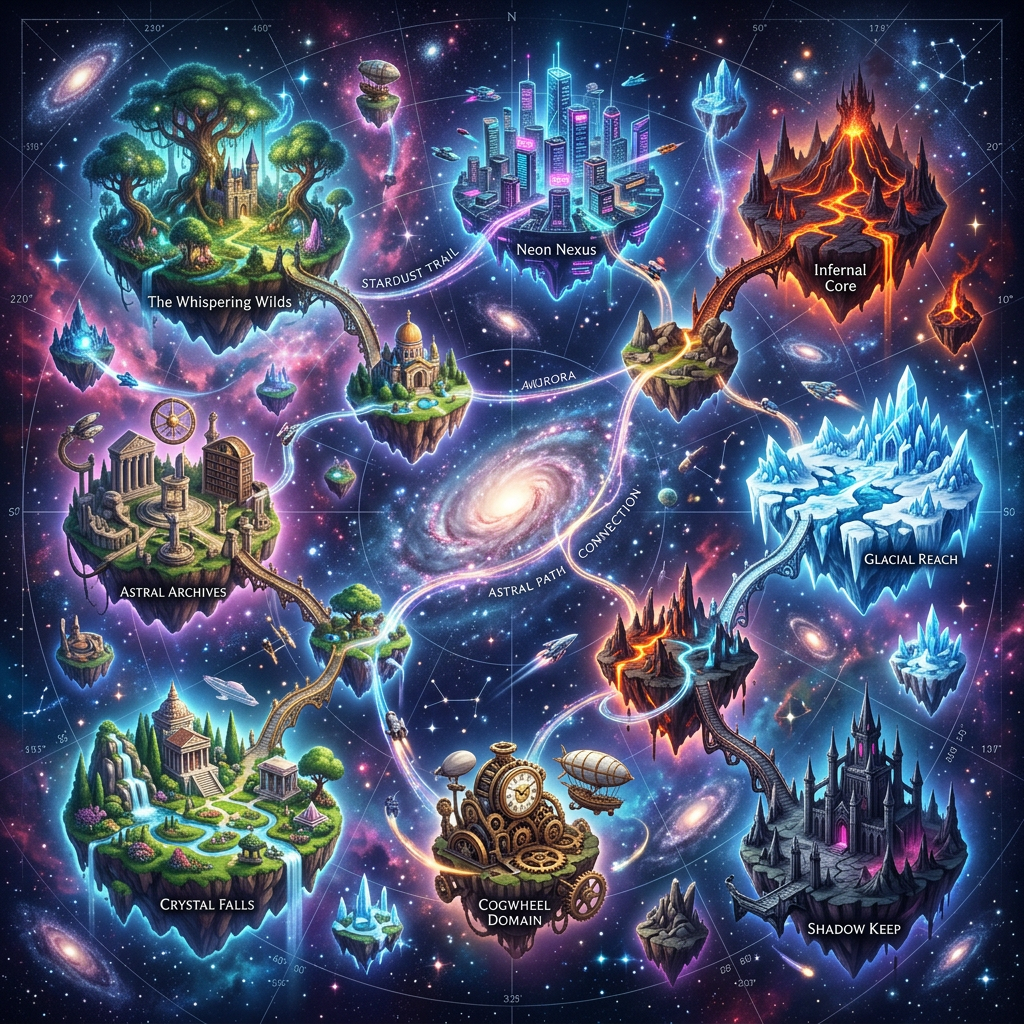
A Tour of the Ecosystem It all started small. A single thread.A single question.A single pattern repeating in the lives of people who were hurting and couldn’t explain why. That thread became Invisibly Misdiagnosed — a place to map what was happening beneath the surface.But the more it grew, the more it revealed.And the more… Continue reading
Conformity and Control, cult of the ego, food addiction, grooming, human trafficking, Panthenogenesis of Power, Relational Anthropology, Revictimization, Social Issues, Survivor Literacy, Wealthcareadvice, amazon, anthropology, books, carry, conformity, control, cooking, dazzle, diagnosis, digest, disorder, episkevology, food, health, hostage, instagram, iykyk, linguistics, merch, misdiagnosis, money, music, patriotism, Pluriology, poet, Poetry, politics, power, protyus, Protyus A. Gendher, psychology, rara diagnosis, relational anthropology, Relational Field Theory, RFT, social science, socials, sociology, spotify, survivor literacy, survivors, theory, trafficking, Zebra -
Survivor Literacy – A Tour of the Ecosystem
A Tour of the Ecosystem It all started small. A single thread.A single question.A single pattern repeating in the lives of people who were hurting and couldn’t explain why. That thread became Invisibly Misdiagnosed — a place to map what was happening beneath the surface.But the more it grew, the more it revealed.And the more… Continue reading
Conformity and Control, cult of the ego, food addiction, grooming, human trafficking, Panthenogenesis of Power, Relational Anthropology, Revictimization, Social Issues, Survivor Literacy, Wealthcareadvice, amazon, anthropology, books, carry, conformity, control, cooking, dazzle, diagnosis, digest, disorder, episkevology, food, health, hostage, instagram, iykyk, linguistics, merch, misdiagnosis, money, music, patriotism, Pluriology, poet, Poetry, politics, power, protyus, Protyus A. Gendher, psychology, rara diagnosis, relational anthropology, Relational Field Theory, RFT, social science, socials, sociology, spotify, survivor literacy, survivors, theory, trafficking, Zebra -
10) *Adult Supervision Required (TW) Part Two – Revisited

The author describes sexual abuse from their childhood. Continue reading
abstinence, abuse, advice, alone, anthropology, autoethnography, big brother, brother, childhood, christian, communication, community, conservative, content warning, cptsd, cult of the ego, family, Free, good kids, healing, health, help, incest, journal, latch key, life, me too, no paywalls, outreach, personal truth, perspective, ptsd, republican, resources, self help, self improvement, siblings, silence, struggle, survivor, therapy, trauma, trauma informed, trigger warning, Zebra -
7) New Scripts – Revisited

The narrative reflects on a childhood shaped by rigid family dynamics and expectations, particularly towards maternal roles. The author recounts the contrast between their mother’s lively past and the oppressive environment created by their grandmother. Moving to Indiana signifies a turning point, offering glimpses of newfound freedom and self-discovery amid evolving family scripts. Continue reading
abuse, advice, anthropology, autoethnography, ceremony, colorado, communication, community, content warning, cult of the ego, dad, family, family scapegoat syndrome, Free, golden child, health, help, indiana, journal, life, me too, moving, narcissist, narrative, no paywalls, outreach, personal truth, perspective, psychology, resources, scapegoat, script, script theory, self help, self improvement, stepdad, stories, struggle, survivor, therapy, trigger warning, wedding, Zebra -
5) I Wanna Play

The post “I Wanna Play” by Protyus A. Gendher reflects on the author’s experiences with isolation and societal exclusion throughout childhood and adulthood. Through evocative poetry, the author expresses longing for acceptance and understanding while critiquing the arbitrary social rules that dictate belonging. Ultimately, they seek to redefine the game rather than conform to it. Continue reading
abuse, accommodations, adhd, advice, anthropology, Autism, autoethnography, childhood, communication, community, content warning, dei, diversity, equity, experience, family, Free, health, help, inclusion, journal, life, me too, no paywalls, otherness, outreach, pain, personal truth, perspective, play, Poetry, psychology, resources, scapegoat, self help, self improvement, sociology, struggle, survivor, therapy, trigger warning, Zebra -
3) My Cult of Origin

The author explores the concept of “normal” as defined by family upbringing and experiences, using The Cult of the Ego to detail their childhood in a Colorado family shaped by strong patriarchal figures and specific behavioral expectations. The narrative highlights the impact of familial dynamics, traditions, and the importance of mentorship, alongside elements of affection,… Continue reading
abuse, advice, anthropology, autoethnography, communication, community, content warning, cult, cult of the ego, cycle breaker, cycles of abuse, development, ego, family, family scapegoat syndrome, Free, growing up, health, help, journal, life, lifestyle, me too, narcissism, no paywalls, origin story, outreach, personal truth, perspective, psychology, resources, scapegoat, self help, self improvement, sociology, struggle, survivor, therapy, trauma, trauma cycles, trigger warning, Zebra -
POST 1 — Zebra Files Book + Website Are LIVE

The Zebra Files project is officially LIVE. The book.The website.The whole ecosystem. This is the place where chronic illness, neurodivergence, trauma, and survival finally get the language they deserve — without shame, without gaslighting, without the medical maze. And yes… the Zebra Smoothie System lives there too. zebrafiles.wordpress.comCome see what we’re building. ZebraFiles #SurvivorLiteracy #ChronicIllness… Continue reading
Conformity and Control, food addiction, Identity, Panthenogenesis of Power, Personal Growth & Self‑Navigation, Rare Diagnoses, Relational Anthropology, Self‑Repair, Social Issues, Survivor Literacy, Wealthcareadhd, anthropology, Autism, bear, carry, chronic illness, conformity, control, cptsd, EDS, ehlers danlos, episkevology, hostage, instagram, iykyk, linguistics, mcas, money, patriotism, Pluriology, politics, power, psychology, relational anthropology, Relational Field Theory, RFT, social science, socials, sociology, survivor literacy, survivors, theory, trafficking, Zebra, zebra files -
21) Race

The author reflects on their family’s self-perception of not being racist, despite underlying prejudices and racial microaggressions. They recount childhood experiences that reveal systemic racism in their upbringing. As a parent, they strive to raise antiracist children, acknowledging their own biases and the importance of confronting and understanding racism, aiming for personal and societal change. Continue reading
Conformity and Control, cult of the ego, cycle breaking, Erasing The Silence, grooming, human trafficking, Social Systems & Culture, theory, Uncategorizedadvice, America, anthropology, antiracism, autoethnography, black and white, childhood, colonialism, communication, community, conformity, conservative, content warning, control, critical race theory, crt, cult, cult of the ego, diversity, equality, equity, experience, family, Free, health, help, inclusion, journal, life, mascot, me too, no paywalls, outreach, pbs, personal narrative, personal truth, perspective, psychology, race, racism, racist, republican, resources, rodney king, self help, self improvement, sesame street, sociology, struggle, survivor, therapy, trigger warning, Zebra -
20) Conformity

Conformity drives group behavior, influencing beliefs and actions, often unconsciously. It fosters belonging but can also lead to heinous acts. Studies like Asch’s and Milgram’s reveal the strength of peer pressure and obedience. Understanding these dynamics is crucial for resisting harmful group norms and fostering individual critical thinking. Continue reading
Conformity and Control, cult of the ego, cycle breaking, Erasing The Silence, grooming, Social Systems & Culture, Uncategorizedabuse, advice, anthropology, asch, authenticity, authority, autoethnography, bystander effect, cognitive dissonance, communication, community, compliance, conformity, content warning, cult, cult of the ego, diffusion of responsibility, dissent, ego, family, fascism, fascist, Free, health, help, journal, life, me too, Mental Health, milgram, narcissism, nazi germany, nazis, no paywalls, obedience, orders, outreach, perception, personal truth, perspective, philosophy, pluralistic ignorance, politics, psychology, resources, responsibility, self help, self improvement, social psychology, social science, sociology, struggle, survivor, therapy, trigger warning, Zebra -
19) Presidential Fitness Test

The Presidential Fitness Test, established in the 1950s to assess youth fitness in comparison to European peers, emphasized military-style performance. Over the years, it became associated with body shaming and emotional trauma for many, particularly those facing physical limitations. The test was abolished in 2013 after widespread criticism. Continue reading
Conformity and Control, cult of the ego, cycle breaking, Erasing The Silence, grooming, Health and Healing, Poetry, Social Issues, theory, Uncategorized, Wealthcareabuse, advice, anthroplogy, anthropology, autoethnography, children, communication, community, comparison, content warning, cptsd, cycle, cycle breaker, cycle breaking, cycles of abuse, EDS, ehlers danlos, Ehlers Danlos Syndrome, eisenhower, family, fat, fitness, Free, government, gym, health, help, institutionalized trauma, journal, life, lifestyle, me too, Mental Health, mile run, no more, no paywalls, not on my watch, outreach, pain, personal truth, perspective, Presidential Function Test, psychology, ptsd, public shaming, pull ups, push ups, resources, rope climb, school, self help, self improvement, shame, sit ups, social science, sociology, structural violence, struggle, survivor, therapy, torture, trauma, trauma informed, trauma recovery, trigger warning, Zebra -
18) High School

The author shares experiences from high school, highlighting a strained familial relationship, particularly with their mother, over decisions like language studies and school policies. They describe friendships formed among a rebellious group, issues with attendance, and the challenges faced in a restrictive home environment, ultimately leading to feelings of isolation and disappointment. Continue reading
Conformity and Control, cult of the ego, cycle breaking, Erasing The Silence, grooming, Social Issues, Uncategorizedadvice, anthropology, autoethnography, belonging, clubs, communication, community, consequences, conservative, content warning, control, cops, court, enforcement, experience, family, fitting in, foreign language, Free, german, health, help, high school, inclusion, journal, journaling, judge, language, law enforcement, lies, life, linguistics, loitering, me too, misfits, narrative, no paywalls, outreach, personal truth, perspective, politics, predator, predators, ptsd, punishment, racism, republican, resources, self help, self improvement, spanish, struggle, survivor, targeting, teenager, teens, therapy, trauma, trigger warning, vulnerable population, Zebra -
17) Mallard Duck Day

The post reflects on the author’s challenging junior high experience, highlighting key teachers who positively impacted their life. Despite struggles with social dynamics, teachers inspired confidence, fostering a love for learning. However, bullying and lack of support from administration devastated one beloved teacher, resulting in a profound sense of loss for the author. Continue reading
Conformity and Control, cult of the ego, Erasing The Silence, Social Systems & Culture, Uncategorizedadministration, advice, anthropology, autoethnography, bullying, communication, community, content warning, discrimination, education, english, experience, family, Free, gay, glbt, health, help, journal, journaling, Junior High, learning, lesbian, life, life story, mallard, me too, narrative, no paywalls, outreach, paperclip, personal truth, perspective, psychology, resources, school, science, self help, self improvement, seventh grade, social studies, sociology, struggle, survivor, teachers, teaching, therapy, trigger warning, writing, Zebra -
16) Junior High

The author reflects on their challenging experience in junior high, marked by a lack of family support and feelings of isolation. As their family became distant, the author faced bullying and ridicule at school. Despite moments of achievement, like performing in a musical, they struggled to find acceptance and belonging among peers. Continue reading
Conformity and Control, cult of the ego, cycle breaking, Erasing The Silence, grooming, Social Systems & Culture, Uncategorizedabsence, abuse, acceptance, adolescence, advice, anthropology, Autism, autoethnography, belonging, bulllies, bullying, choir, communication, community, content warning, cult, cult of the ego, drama, expectations, experience, family, fitting in, Free, growing up, health, help, journal, journaling, Junior High, life, life story, me too, moving on, musical, my story, no paywalls, outcast, outreach, personal truth, perspective, preteen, psychology, rejection, resources, self help, self improvement, social science, sociology, struggle, survivor, theater, therapy, trauma, trauma recovery, trigger warning, understanding, Zebra -
14) Aftermath – Revisited

After the author’s father’s suicide due to schizophrenia, their family faced overwhelming grief and societal stigma surrounding mental illness. The author took on responsibilities to support their mother and younger siblings while coping with their own numbness and confusion. The birth of a new sister brought moments of joy amidst their sorrow, fostering a deeper… Continue reading
cult of the ego, Erasing The Silence, grooming, Health and Healing, Social Systems & Culture, Uncategorizedadvice, aftermath, anthropology, autoethnography, babies, change, child rearing, childhood, colorado, communication, community, content warning, cptsd, death, doula, ethnography, experience, family, family scapegoat syndrome, Free, funeral, grooming, healing, health, help, indiana, journal, journaling, life, me too, moving on, narrative, newborn, no paywalls, outreach, parentified child, personal story, personal truth, perspective, psychology, ptsd, resources, scapegoat, self help, self improvement, social science, sociology, starting over, struggle, suicide, survivor, therapy, trauma, trauma informed, trauma recovery, trigger warning, Zebra -
4) Family Scapegoat Syndrome with Video

The author reflects on Family Scapegoat Syndrome, discussing its cyclical nature and the psychological effects on individuals within dysfunctional family systems. They emphasize the importance of accessing social theories for healing and the struggle to break free from these cycles. Healing involves acknowledging all roles played and embracing self-worth beyond familial approval. Continue reading
Conformity and Control, cult of the ego, Erasing The Silence, Social Systems & Culture, theory, Uncategorizedabuse, advice, anthropology, communication, community, content warning, cult, dysfunction, family, Free, health, help, journal, life, me too, no paywalls, outreach, personal truth, perspective, psychology, resources, scapegoat, self help, self improvement, struggle, survivor, therapy, trigger warning, Zebra
Recent Posts
- Signs and Symptoms of Identity Fusion
 Signs and Symptoms of Identity Fusion We Believe You Apple Music YouTube Music Amazon Music Spotify Music Explore Mini-Topics
 - School Photos and the Risk Vector Revealed
 Understanding Structural Vulnerability in Child-Imagery Systems In the United States, school photography is treated as a harmless ritual — picture… Read more: School Photos and the Risk Vector Revealed
 - Rural Justice & Structural Violence – Demanding Silence as a Tool of Control
 Demanding Silence as a Tool of Control In rural justice systems, silence is never neutral. It is a weapon. It… Read more: Rural Justice & Structural Violence – Demanding Silence as a Tool of Control
 - 82) Storytime
 The narrative explores the dynamics between two storytellers, their shared past, and the complexities of their relationships, particularly involving a close friend who didn’t pursue a romantic connection due to societal expectations. It delves into themes of vulnerability, unspoken tensions, and the longing for openness, revealing deep emotional struggles and familial betrayals.
 - CENSORSHIP & WHY POWER PREFERS IGNORANCE – How Ignorance Becomes a Tool of Control
 Ignorance Makes Populations Easier to Control When people don’t know their rights, their history, or the mechanics of power, they… Read more: CENSORSHIP & WHY POWER PREFERS IGNORANCE – How Ignorance Becomes a Tool of Control
 - Relational Anthropology – 50 Red Flags That Someone Is Choosing the Path of Control (Not Relationality)
 The content outlines 50 red flags indicating someone may prioritize control over healthy relationships. Key behaviors include interpreting boundaries as threats, using emotional manipulation, avoiding accountability, and demanding compliance. These patterns create a dynamic that undermines openness, accountability, and genuine emotional connection, ultimately harming familial relationships.
 - The Safety Crisis in Infant Care
 Ratios, regulation gaps, and the unlicensed care pipeline no one wants to talk about When people hear “infant care is… Read more: The Safety Crisis in Infant Care
 - Forms of Identity Fusion
 Forms of Identity Fusion We Believe You Apple Music YouTube Music Amazon Music Spotify Music Explore Mini-Topics
 - 81) Therapy
 Therapy What It Is.What It Isn’t.Is It Even What It Is?If It Isn’t, Then What Is It? I’m lucky. I… Read more: 81) Therapy
 - All Things Being Inequal — Equality for Whom?
 1. The Promise Wyoming’s origin story claims something bold:that it was the first place in America where women could vote,that… Read more: All Things Being Inequal — Equality for Whom?
 - All Things Being Inequal — Balance Through Time
 1. The Frontier Story Wyoming branded itself as the Equality State in 1869,granting suffrage to women as a political calculation,not… Read more: All Things Being Inequal — Balance Through Time
 - Post 13 — Why I Had to Understand This to Understand Myself
 The author reflects on personal trauma shaped by systemic dynamics of power and control, particularly within domestic settings. They redefine their experiences not as chaos but as a replicated system of coercion and compliance that mirrors societal trafficking logic. Understanding this allows for personal clarity and the possibility of breaking harmful cycles.
 - Why Gender‑Neutral Framing Often Erases the Most Vulnerable Single Parents
 And how to name the structure without tokenizing the people most harmed by it Most conversations about single parenthood pretend… Read more: Why Gender‑Neutral Framing Often Erases the Most Vulnerable Single Parents
 - Signs & Symptoms of Identity Fusion
 Signs & Symptoms of Identity Fusion We Believe You Apple Music YouTube Music Amazon Music Spotify Music Explore Mini-Topics
 - Protyus, Protyus, Wherefore art thou Protyus?
 The author reflects on their journey as a public content creator, necessitating a pen name for safety and identity. They chose “Protyus A. Gendher,” inspired by Proteus’ symbolism of versatility and their agender identity. Exploring multicultural connections, they express a desire to learn about South Asia while aiming to broaden their audience.
Newsletter
Make a one-time donation
Make a monthly donation
Choose an amount
Or enter a custom amount
Your contribution is appreciated.
Your contribution is appreciated.