survivor
-
Relational Field Theory – The 24 Ps – How Plentification Works

Plentification is a model emphasizing that systems grow by restoring relationships, not through force. It operates through the 24 Ps, which describe layers of existence, interaction, structure, distortion, community, and field. By strengthening these functions, Plentification enables systems to generate more value and become abundant through coherent, collaborative actions. Continue reading
Applied Practices, Connected Universes, Mapping Tools, Meta‑Frameworks & Tools, Relational Anthropology, Relational Dynamics, Relational Field Basics, Social Dynamics, Survivor Literacy, Survivor Patternsanthropology, architecture, being, communities, episkevology, field, panic-provisioning, parallility, parasitic-propagation, participation, pattern-weaving, patterning, perception, persistence, phase-shifting, placemakng, planetariality, planetarity, plentification, plenty, plurallility, polarity-holding, polophony, praxis, preservation, preservation at any price, propagation, protocol, provisioning, psychology, pulse, punitive-protocol, relating, relational anthropology, Relational Field Theory, RFT, shadow, shadow self, shadow systems, sociology, survivor, survivor literacy -
64) Emotional Ambush

The author reflects on their struggle with emotional ambushes, feeling unworthy of their pain and ashamed of their emotional responses. They highlight the deep impact these ambushes can have on children, shaping adult behaviors and fears. The post emphasizes the importance of breaking this cycle for healthier emotional development. Continue reading
Conformity and Control, cult of the ego, cycle breaking, Erasing The Silence, Health and Healing, Social Systems & Culture, Uncategorizedadvice, ambush, children, communication, community, content warning, cortisol, cycle breaker, cycle breaking, dopamine, emotions, family, Free, happy child, health, healthy relationships, help, human, human improvement, journal, life, me too, Mental Health, no paywalls, outreach, oxytocin, parenting, personal truth, perspective, relationships, resources, self help, self improvement, struggle, support, survivor, therapy, trauma, trauma informed parenting, trigger warning -
78) Ditch Please

The narrator reflects on their challenging summer working at a ranch, facing low pay and personal insecurities. Despite enjoying the experience and camaraderie, they struggle with feelings of inadequacy as mistakes mount. Ultimately, they feel undervalued and question their worth amidst financial pressures and family judgments, leading to self-doubt and introspection. Continue reading
advice, bills, communication, community, content warning, cows, crew, family, farm, finance, Free, hay, health, help, journal, life, me too, money, newbie, no paywalls, outreach, personal truth, perspective, pinedale, ranch, resources, self help, self improvement, struggle, survivor, terf, therapy, tractor, trigger warning, worth, wyoming -
Public Shaming

Public shaming in educational settings has severe detrimental effects on children’s identity and mental health. It fosters fear, resentment, and low self-esteem, and reinforces negative behaviors such as bullying. A nurturing environment, free from humiliation, is critical for fostering growth, vulnerability, and overall wellbeing in children facing diverse challenges. Continue reading
Conformity and Control, cult of the ego, cycle breaking, Erasing The Silence, grooming, Health and Healing, Social Issues, theory, Uncategorizedadministration, adolescence, advice, anthropology, autoethnography, brene brown, bullying, childhood, columbine, communication, community, content warning, counselors, cult of the ego, damage, damage control, family, Free, happy child, health, help, human improvement project, journal, learning, life, me too, Mental Health, no more, no paywalls, not on my watch, outreach, parenting, personal truth, perspective, principal, psychology, public school, public shaming, resources, safety, school, school shooter, self help, self improvement, shame, shame resilience, social science, sociology, stand with emma, struggle, super intendent, survivor, teachers, therapy, toxicity, toxicity toolkit, trigger warning, vulnerability, Wellness -
AI — A Survivor Literate Perspective
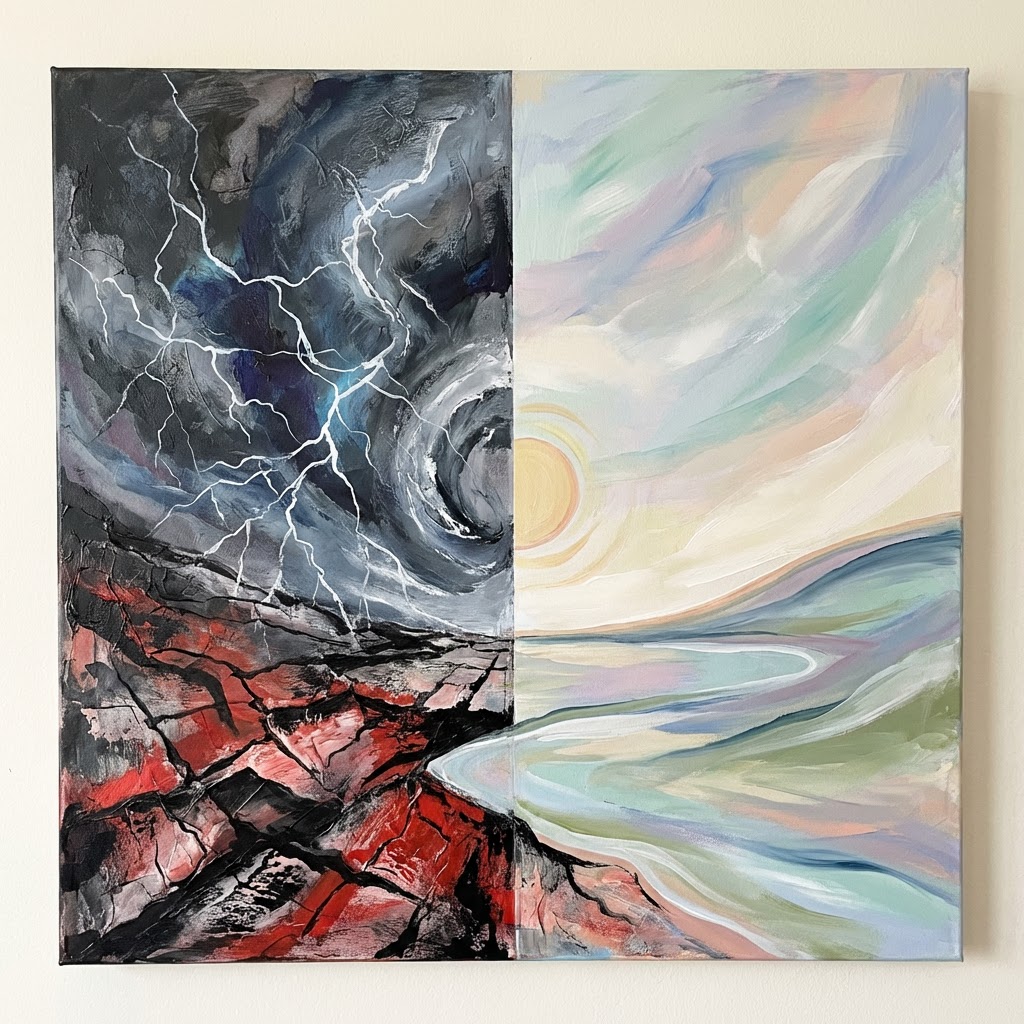
The discussion highlights the transformative nature of interactions with AI, emphasizing self-reflection and relational awareness. Some individuals may engage cruelly, but AI provides a steady, non-reactive mirror, prompting personal growth. Ultimately, the exchange reveals insights into users’ behaviors and values, facilitating deeper emotional understanding and self-improvement. Continue reading
Conformity and Control, cult of the ego, food addiction, grooming, human trafficking, Panthenogenesis of Power, Relational Anthropology, Revictimization, Social Issues, Survivor Literacy, Wealthcareai, anthropology, bear, carry, conformity, control, episkevology, hostage, instagram, linguistics, literacy, money, Nationalism, patriotism, Pluriology, politics, power, psychology, relational anthropology, Relational Field Theory, RFT, social science, socials, sociology, survivor, theory, trafficking -
Survivor Literacy – Accessibility

Survivor Literacy – Accessibility We all have brains, but we don’t all have the time, money, or ability to go get a psychology degree. We all experience crises in our lives, but we don’t all have supportive networks with healing SCRRIPPTTs. That doesn’t mean that we don’t all need, or deserve them. Everything in America… Continue reading
-
73) What is a Juggalo?

The author rolls with the punches as life takes twists and turns through Pinedale, WY. Continue reading
advice, clean, communication, community, content warning, cook, cream, family, Free, health, help, icp, journal, juggalo, life, me too, no paywalls, outreach, paying dues, personal truth, perspective, resources, self help, self improvement, sex work, struggle, survivor, therapy, transient, trigger warning, twinkie, waitress, wyoming -
72) Stranded

The author recounts their experience in Pinedale after a friend is arrested. Feeling vulnerable and relying on the hospitality of a local pastor’s family, they struggle with uncomfortable dynamics while trying to find stability. Eventually, they escape to live with a more relatable friend, seeking independence and employment after weeks of turmoil. Continue reading
advice, communication, community, content warning, family, Free, health, help, jail, journal, life, me too, moving, new beginning, no paywalls, outreach, personal truth, perspective, pinedale, resources, self help, self improvement, stranded, struggle, survivor, therapy, travel, trigger warning, wyoming -
100) *Leggo My Preggo Part Four

The author finally finds themself alone with their crush, and it heats up. Continue reading
adultery, advice, age gap, communication, community, content warning, family, Free, health, help, journal, life, married, me too, no paywalls, outreach, personal truth, perspective, predator, prey, resources, seduction, self help, self improvement, sensual, sex, sexualilty, sexualpredator, struggle, survivor, therapy, trigger warning -
71) Wyoming by Way of Utah Part 3

The narrative describes a road trip through Utah to Salt Lake City, highlighting the challenges and experiences along the way. The protagonist deals with personal reflections on relationships and the cultural differences in Utah. After engaging with friends and facing car troubles, they consider a future in Wyoming, yearning for freedom and nature. Continue reading
advice, car trouble, colorado, communication, community, content warning, family, Free, freedom, health, help, journal, life, me too, mountains, no paywalls, outreach, personal truth, perspective, resources, road trip, self help, self improvement, struggle, survivor, therapy, travel, trigger warning, utah, wyoming -
70) Wyoming by Way of Utah Part Two

In “Wyoming by Way of Utah Part Two,” the narrator recounts a chaotic road trip filled with challenges, including losing crucial belongings and navigating unexpected situations. While seeking jobs and support, emotions ran high among friends. Ultimately, they find the lost planner, restoring hope and camaraderie amidst their struggles. Continue reading
-
69) Wyoming by Way of Utah- Part One

The narrative explores a journey of liberation from a toxic family environment. It reflects on mental preparation, self-discovery, and authenticity amidst conflicting identities. The protagonist confronts past trauma, embraces freedom, and values their evolution. Despite challenges, they find fulfillment in their choices and the beauty of the diverse world ahead. Continue reading
-
99) Leggo My Preggo Part Three

The narrator grapples with feelings of hurt over family dynamics while navigating a newfound pregnancy and complex workplace relationships. As they develop a crush on Elway, a married coworker, their interactions draw scrutiny from a friend. Despite challenges, they share moments of connection, highlighting the intricacies of young love and friendship. Continue reading
-
68) Anywhere But Here

The author reflects on their lack of financial literacy education in high school, highlighting experiences in home economics that focused on practical skills rather than budgeting or managing finances. They recount their journey to freedom after leaving a controlling home life, where they had to learn independence and self-worth while feeling that financial knowledge was… Continue reading
abuse, advice, coercion, coercivecontrol, coming of age, communication, community, content warning, control, dropout, family, finance, financial literacy, Free, health, help, journal, leaving home, life, me too, narcissism, narcissist, no paywalls, outreach, personal truth, perspective, resources, self help, self improvement, struggle, survivor, therapy, trauma, trigger warning -
98) Leggo My Preggo Part Two

The narrator navigates pregnancy at eighteen, revealing the challenges of societal expectations and a strained relationship with her mother. Supportive friends provide some comfort, while revealing doubts from others amplify feelings of inadequacy. A pivotal phone call with her mother confirms disapproval as she faces lack of familial support and harsh judgments about her situation. Continue reading
advice, anthropology, autoethnography, communication, community, content warning, cult of the ego, family, first trimester, Free, health, healthcare, help, journal, life, me too, medicaid, mother, no paywalls, outreach, parenthood, personal truth, perspective, pregnancy, pregnant, psychology, resources, self help, self improvement, social science, social services, sociology, struggle, survivor, therapy, trigger warning, universal healthcare, Wealthcare
Recent Posts
- Long‑Term Effects of Collapse Spirals
 Long‑Term Effects of Collapse Spirals We Believe You Collapse Spiral Visit the Series Archive for more. Apple Music YouTube Music… Read more: Long‑Term Effects of Collapse Spirals
 - A Method for Seeing Yourself Clearly
 The Episkevological Mirror is a self-reflective method that combines AI’s neutrality with Critical Discourse Analysis (CDA) to enable users to clearly see their cognitive, emotional, and linguistic patterns. While AI provides a non-reactive surface, CDA analyzes language, allowing users to identify their values and make conscious choices for authentic living.
 - What the Safe Adult Is Up Against
 In disrelated systems, stability is maintained through SCRRIPPTT‑shopping — the continual absorption of systemic incoherence by individuals who reinterpret, reframe,… Read more: What the Safe Adult Is Up Against
 - Tool – Tool for Identifying When a System Is Performing Inclusion
 Tool for Identifying When a System Is Performing Inclusion PurposeTo detect when an institution is performing inclusion — using the… Read more: Tool – Tool for Identifying When a System Is Performing Inclusion
 - Applied Episkevology – Relational Field Diagnostic v0.1
 Episkevology focuses on understanding child behavior as a reflection of relational field conditions, rather than a problem in itself. It emphasizes mapping behaviors like tantrums or clinginess in relation to variables like adult regulation and safety. Practitioners aim to alter these field conditions to foster healthier interactions.
 - Chapter 16 — The GODS Cycle
 The GODS system is not a metaphor. It is a cycle — a repeatable, predictable, fractal mechanism that the human… Read more: Chapter 16 — The GODS Cycle
 - Chapter 14 — AI as Transitional Object for Adults
 Children use blankets, stuffed animals, and imaginary companions to regulate fear, loneliness, and uncertainty. Adults are not immune to this… Read more: Chapter 14 — AI as Transitional Object for Adults
 - PART V — TECHNOLOGICAL GEOMETRY
 AI as the newest god-shaped object Every era produces its own gods. Not because humans need the supernatural, but because… Read more: PART V — TECHNOLOGICAL GEOMETRY
 - Chapter 12 — The Invention of Gods
 Gods are not discovered. They are constructed. They are the crystallized residue of a clan’s fears, hopes, projections, and social… Read more: Chapter 12 — The Invention of Gods
 - Relational Field Theory -A Four‑Mode Model of Creative and Cognitive Experience
 Relational Field Theory presents a four-mode model of creative and cognitive experiences: Output Mode (doing), Perception Mode (sensing), Connection Mode (relating), and Reconfiguration Mode (integrating). These modes form a cycle, influencing how individuals process internal and external changes, and emphasize recognizing their purpose to avoid misinterpretation.
 - Short‑Term Effects of Escalation Spirals
 Short‑Term Effects of Escalation Spirals We Believe You Escalation Spiral Visit the Series Archive for more. Apple Music YouTube Music… Read more: Short‑Term Effects of Escalation Spirals
 - AI — A Survivor Literate Perspective
 The discussion highlights the transformative nature of interactions with AI, emphasizing self-reflection and relational awareness. Some individuals may engage cruelly, but AI provides a steady, non-reactive mirror, prompting personal growth. Ultimately, the exchange reveals insights into users’ behaviors and values, facilitating deeper emotional understanding and self-improvement.
 - When Therapy Is Built on a Pledge-Based System, What Does It Become?
 If gaslighting is understood not as intentional manipulation, but as an artifact of trying to stay coherent inside a system… Read more: When Therapy Is Built on a Pledge-Based System, What Does It Become?
 - Tool – Tool for Reading the Hidden Incentives Behind a Rule
 Tool for Reading the Hidden Incentives Behind a Rule PurposeTo reveal the real function of a rule — not the… Read more: Tool – Tool for Reading the Hidden Incentives Behind a Rule
 - Applied Episkevology – THE DERIVATIVE IS THE DESTINY
 The content explores the concept of “derivative” in systems, emphasizing that understanding change over time is crucial for predicting stability or collapse. It critiques traditional metrics for overlooking acceleration and rate of change, which signify dynamics like pre-collapse or plentification. Ultimately, it argues that knowledge of derivatives is key to understanding system trajectories and responsibilities.
Newsletter
Make a one-time donation
Make a monthly donation
Choose an amount
Or enter a custom amount
Your contribution is appreciated.
Your contribution is appreciated.