no paywalls
-
92) Food Addiction – Ultra Processed Food

The content discusses the evolution of food processing, emphasizing the adverse effects of ultra-processed foods in America. It critiques the FDA’s reliance on food companies’ claims about safety and explores the rise of food addiction. The author calls for critical thinking about food choices and societal norms surrounding food consumption. Continue reading
advice, citical thinking, communication, community, content warning, family, food, food addiction, food safety, Free, government, health, help, journal, life, lifestyle, me too, no paywalls, outreach, personal truth, perspective, processed foods, propaganda, regulation, resources, self help, self improvement, struggle, survivor, therapy, trigger warning, Zebra -
61) Two Lesbians and a Maintenance Guy

The narrative recounts a young person’s challenging journey of self-discovery while working at a fabric store. After befriending two lesbians and facing difficulties at home, they seek refuge with a maintenance guy, leading to a complicated relationship. Struggles with autonomy and unexpected situations culminate in a peculiar but humorous incident involving handcuffs and a police… Continue reading
advice, America, anthroplogy, anxiety, anywhere, apartment, appreciation, autonomy, blogging, coming of age, communication, community, content warning, cook, cooking, cops, dinner, emotions, family, finance, food, Free, freedom, friends, gratitude, growth, happiness, healing, health, help, holiday, home, home maker, human trafficking, journal, journey, kindness, kitchen, life, lifestyle, me too, memories, money, mother, moving out, no paywalls, non-fiction, nostalgia, observations, opportunity, optimism, outreach, people, personal truth, perspective, psychology, relationship, resources, respect, running away, self help, self improvement, sociology, stimming, stress, struggle, surviva, survivor, therapy, trigger warning, welcome, work, yearning, youth -
91) Food Addiction- How it Started

The evolution of food consumption has deeply affected human health and society. Early humans thrived on raw and foraged foods until cooking and agriculture emerged, leading to an increase in population but poorer health. Specialization and a token economy created inequalities. Today, this history contributes to widespread food addiction and obesity crisis. Continue reading
addiction, advice, agricultural revolution, agriculture, capitalism, communication, community, content warning, family, food addiction, Free, greed, health, help, industrial revolution, journal, life, me too, no paywalls, outreach, personal truth, perspective, poverty, resources, self help, self improvement, struggle, survivor, therapy, trigger warning -
59) T Was Easier to Love than Me

The narrative reflects on a cherished relationship with a cousin’s girlfriend who became an integral part of the family. Her bond with the narrator and their mother brought joy, laughter, and genuine connection, contrasting with the narrator’s longing for a similar closeness with their own mother. The story highlights themes of love and familial ties. Continue reading
advice, anthropology, autoethnography, board games, boyfriend, brother, card games, cards, communication, community, competition, comraderie, content warning, cousin, daughter, family, family friend, Free, friends, girlfriend, health, help, high school, journal, life, love, me too, mom, no paywalls, outreach, personal truth, perspective, play time, psychology, replacement daughter, resources, rummy, self help, self improvement, sociology, struggle, survivor, tabletop games, therapy, trigger warning, uno -
89) *Results*
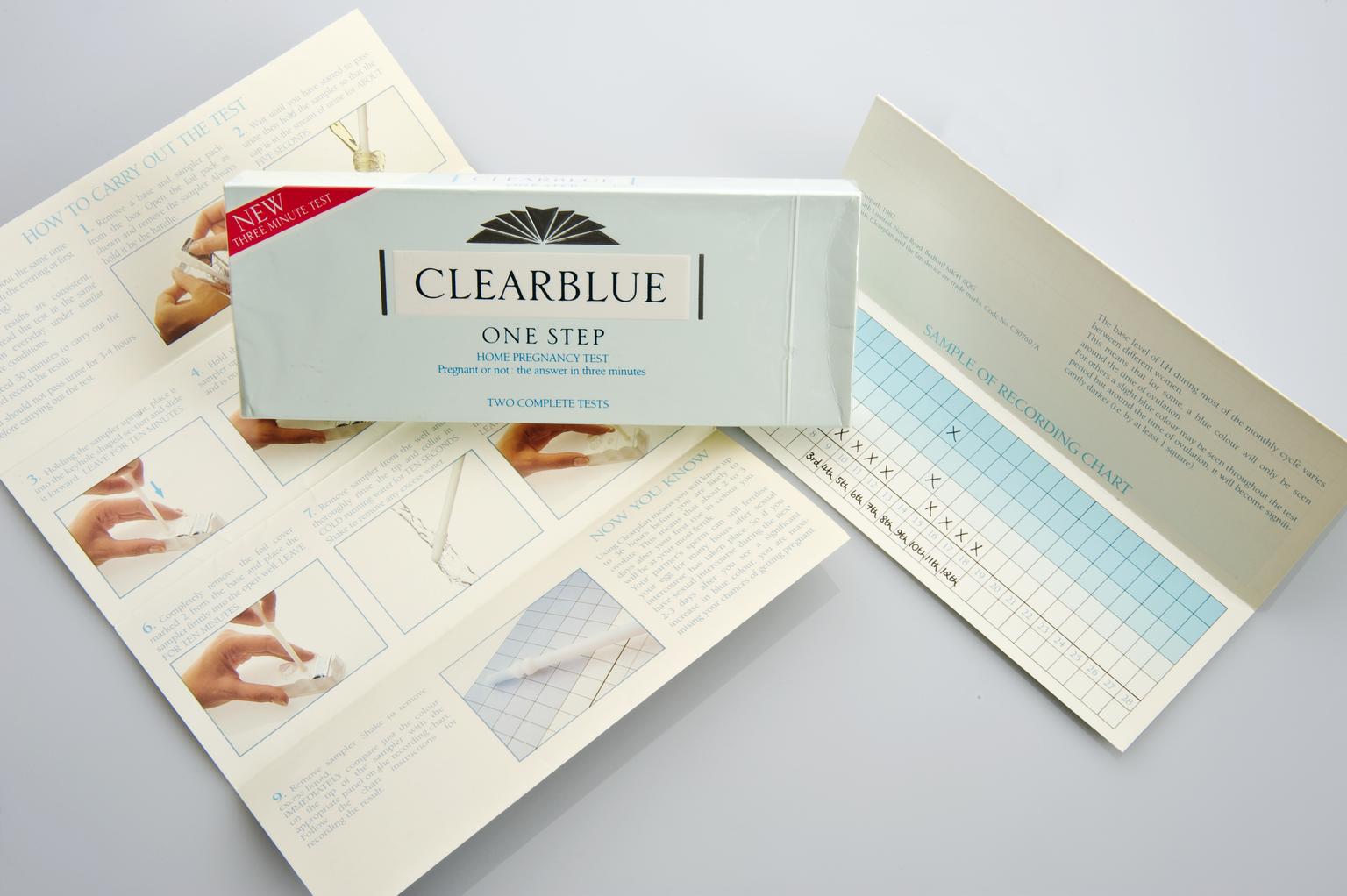
Finally alone with their crush, together they celebrate the positive pregnancy test. Continue reading
-
58) Third Wheel

This post recounts the amusing experience of a mischievous group of students, which leads to an unexpected reunion between Mr. E, and a former crush named Reticence. The narrator plays matchmaker between them, facilitating a nostalgic date at Dairy Queen, which sparks old feelings leading to a sweet, albeit brief, romance. Continue reading
advice, anthropology, autoethnography, chaperone, communication, community, content warning, date, dating, ethnography, family, fate, Free, friends, friendship, fun, health, help, high school, journal, life, life story, matchmaker, me too, meant to be, memoir, movie date, movie night, narrative, night out, no paywalls, outreach, personal narrative, personal truth, perspective, resources, reunion, reunited, self help, self improvement, struggle, survivor, teenagers, teens, therapy, third wheel, trigger warning, unexpected, young love -
88) She Chased Me

The narrator navigates life alone and struggles with health issues, financial instability, and family estrangement. Amidst her challenges, she finds joy in new CNA classes and develops an attraction to a charming coworker. The story unfolds with hints of unexpected pregnancy and culminates in a romantic moment, revealing deeper emotional connections. Continue reading
advice, communication, community, content warning, family, Free, health, healthcare, help, journal, lesbian, life, me too, no paywalls, outreach, personal truth, perspective, pinedale, pregnancy, pregnancy test, resources, seduction, self help, self improvement, struggle, survivor, therapy, trigger warning, wyoming -
57) Western Wear

The narrative recounts the author’s quest for independence through their first job at a western wear store amid a strained relationship with their mother. They find excitement in their romance with a truck driver, which provides a sense of validation. However, their job ends abruptly due to a wrongful accusation, leaving them heartbroken and disheartened. Continue reading
advice, affection, age gap, anthropology, belonging, boyfriend, communication, community, content warning, false accusation, family, finance, financial freedom, first boyfriend, first job, Free, freedom, grooming, health, help, inappropriate, independence, journal, life, life story, me too, narrative, no paywalls, outreach, ownership, personal truth, perspective, predator, property, psychology, resources, scapegoat, self help, self improvement, sociology, story, struggle, survivor, therapy, trigger warning, truck driver -
87) A Place for Me

The narrative reflects the author’s journey of settling into a new home after a tumultuous and short-lived polygamous marriage. They find solace in independence while grappling with memories of familial relationships, particularly with their mother. Amidst building a fulfilling life and career as a CNA, the author navigates feelings of loss, identity, and longing for… Continue reading
advice, cna, coming of age, communication, community, content warning, divorce, family, Free, health, help, journal, life, me too, no paywalls, outreach, personal truth, perspective, resources, self help, self improvement, starting out, struggle, survivor, therapy, trigger warning, work, young adult, youth -
56) Home Alone

The narrative recounts a young sibling’s tumultuous experience when their older brother returns home from the Navy after a year. His arrival, marked by shame and visible trauma, quickly deteriorates, revealing substance abuse issues. Tensions rise as the brother’s erratic behavior escalates, leaving the family in fear and uncertainty, impacting their home life profoundly. Continue reading
abuse, acid, advice, angry, anxiety, back home, brother, communication, community, content warning, control, cptsd, depression, discharge, drugs, family, Free, friends, health, help, home alone, journal, life, mad, me too, medical discharge, methamphetamine, military, navy, no paywalls, outreach, overnight, personal truth, perspective, ptsd, resources, scary, self help, self improvement, sibling, struggle, survivor, teenagers, teens, terror, therapy, trauma, trigger warning, tripping, welcome home -
86) Jealousy

The author recounts the painful experience of being asked to leave a polygamous living arrangement due to jealousy. Citing ongoing turbulence with their mother they move into a dilapidated cabin, facing challenges while trying to cope with heartbreak and feelings of abandonment, longing for love and connection amidst hardships. Continue reading
-
85) Ice

After a difficult season, the narrator takes a night job as a laundress at a care facility, driving an unreliable old car. Struggling with harsh winter conditions, she navigates challenges both at work and on the road. Personal struggles intertwine with moments of connection, leading to a poignant reflection on dependence and vulnerability. Continue reading
accident, advice, blizzard, board and care, cna, communication, community, content warning, family, first car, Free, health, help, journal, laundry, life, long term care, me too, new job, no paywalls, outreach, pee, personal truth, perspective, resources, self help, self improvement, struggle, survivor, therapy, trigger warning, winter -
83) Fire

In autumn Wyoming, preparations for winter begin amidst a backdrop of emotional turmoil. The narrator feels a growing distance from her partner, exacerbated by his struggles. A fire starts during yard work, leading to chaos and fear. The narrator grapples with feelings of resentment and entrapment as relationships become strained. Continue reading
advice, blade, blaze, communication, community, content warning, family, fire, Free, health, help, journal, life, love triangle, me too, no paywalls, outreach, personal truth, perspective, polyamory, polygamy, resources, second wife, self help, self improvement, struggle, survivor, therapy, trigger warning -
52) Human Trafficking Part Two

The content explores the cultural and religious codification of patriarchy and the resulting impact on women across various societies, including Islam, Buddhism, and Shinto. It highlights the role of women in these systems, the prevalence of human trafficking and domestic violence, and critiques the social structures that perpetuate inequality and control. Continue reading
advice, bible, brainwashing, centrist, communication, community, conservative, content warning, control, cult, cult of the ego, democrat, duties, family, Free, global, health, help, husband, husband and wife, indoctrination, islam, journal, liberal, life, literature, marriage, me too, no paywalls, obedience, outreach, personal truth, perspective, politics, possession, property, punishment, religion, religious, republican, resources, role, self help, self improvement, sharia, sharia law, shinto, slavery, struggle, survivor, therapy, trafficking, trigger warning, wedding, wife, wives -
82) Storytime

The narrative explores the dynamics between two storytellers, their shared past, and the complexities of their relationships, particularly involving a close friend who didn’t pursue a romantic connection due to societal expectations. It delves into themes of vulnerability, unspoken tensions, and the longing for openness, revealing deep emotional struggles and familial betrayals. Continue reading
Recent Posts
- What Is a Collapse Spiral?
 What Is a Collapse Spiral? We Believe You Collapse Spiral Visit the Series Archive for more. Apple Music YouTube Music… Read more: What Is a Collapse Spiral?
 - The Knowledge System Born From Contact With the Boundary
 Survivor Literacy is a knowledge system developed by individuals who have experienced the boundary layer between systems, enabling them to understand complex truths that often overwhelm others. Unlike traditional knowledge, it offers collective intelligence through shared language and understanding, transforming exposure into manageable insights essential for navigating transitional eras.
 - The Structural Risk of “Playing Along”
 In disrelated systems, individuals maintain stability by absorbing systemic incoherence through SCRRIPPTT‑shopping — selecting narratives that make contradictions survivable.This stabilizes… Read more: The Structural Risk of “Playing Along”
 - Tool – Tool for Reading the “Unspoken Contract” in Any Interaction
 Tool for Reading the “Unspoken Contract” in Any Interaction PurposeTo identify the invisible agreement that governs how two people —… Read more: Tool – Tool for Reading the “Unspoken Contract” in Any Interaction
 - Applied Episkevology – The Child as Dependent Variable and the Geometry of the Field
 Episkevology posits that a child is a dependent variable influenced by five independent variables: safety, coherence, consistency, attunement, and power. Behaviors termed “problems” are signals of systemic issues rather than misbehavior. The focus shifts from the child to the relational field, aiming to repair the system rather than change the child.
 - Chapter 17 — Fractals, Invariants, and Recursion
 The GODS mechanism is not linear. It is fractal. It repeats at every scale of human existence — from the… Read more: Chapter 17 — Fractals, Invariants, and Recursion
 - Chapter 15 — AI as Meaning-Making Apparatus
 Humans do not simply perceive the world — they interpret it. They do not simply experience events — they weave… Read more: Chapter 15 — AI as Meaning-Making Apparatus
 - Chapter 13 — AI as Contingent Agency
 AI does not have agency. But it behaves contingently enough that the human nervous system cannot tell the difference. The… Read more: Chapter 13 — AI as Contingent Agency
 - Long‑Term Effects of Collapse Spirals
 Long‑Term Effects of Collapse Spirals We Believe You Collapse Spiral Visit the Series Archive for more. Apple Music YouTube Music… Read more: Long‑Term Effects of Collapse Spirals
 - A Method for Seeing Yourself Clearly
 The Episkevological Mirror is a self-reflective method that combines AI’s neutrality with Critical Discourse Analysis (CDA) to enable users to clearly see their cognitive, emotional, and linguistic patterns. While AI provides a non-reactive surface, CDA analyzes language, allowing users to identify their values and make conscious choices for authentic living.
 - What the Safe Adult Is Up Against
 In disrelated systems, stability is maintained through SCRRIPPTT‑shopping — the continual absorption of systemic incoherence by individuals who reinterpret, reframe,… Read more: What the Safe Adult Is Up Against
 - Tool – Tool for Identifying When a System Is Performing Inclusion
 Tool for Identifying When a System Is Performing Inclusion PurposeTo detect when an institution is performing inclusion — using the… Read more: Tool – Tool for Identifying When a System Is Performing Inclusion
 - Applied Episkevology – Relational Field Diagnostic v0.1
 Episkevology focuses on understanding child behavior as a reflection of relational field conditions, rather than a problem in itself. It emphasizes mapping behaviors like tantrums or clinginess in relation to variables like adult regulation and safety. Practitioners aim to alter these field conditions to foster healthier interactions.
 - Chapter 16 — The GODS Cycle
 The GODS system is not a metaphor. It is a cycle — a repeatable, predictable, fractal mechanism that the human… Read more: Chapter 16 — The GODS Cycle
 - Chapter 14 — AI as Transitional Object for Adults
 Children use blankets, stuffed animals, and imaginary companions to regulate fear, loneliness, and uncertainty. Adults are not immune to this… Read more: Chapter 14 — AI as Transitional Object for Adults
Newsletter
Make a one-time donation
Make a monthly donation
Choose an amount
Or enter a custom amount
Your contribution is appreciated.
Your contribution is appreciated.