truth
-
Survivor Literacy – Because It’s OUR Story
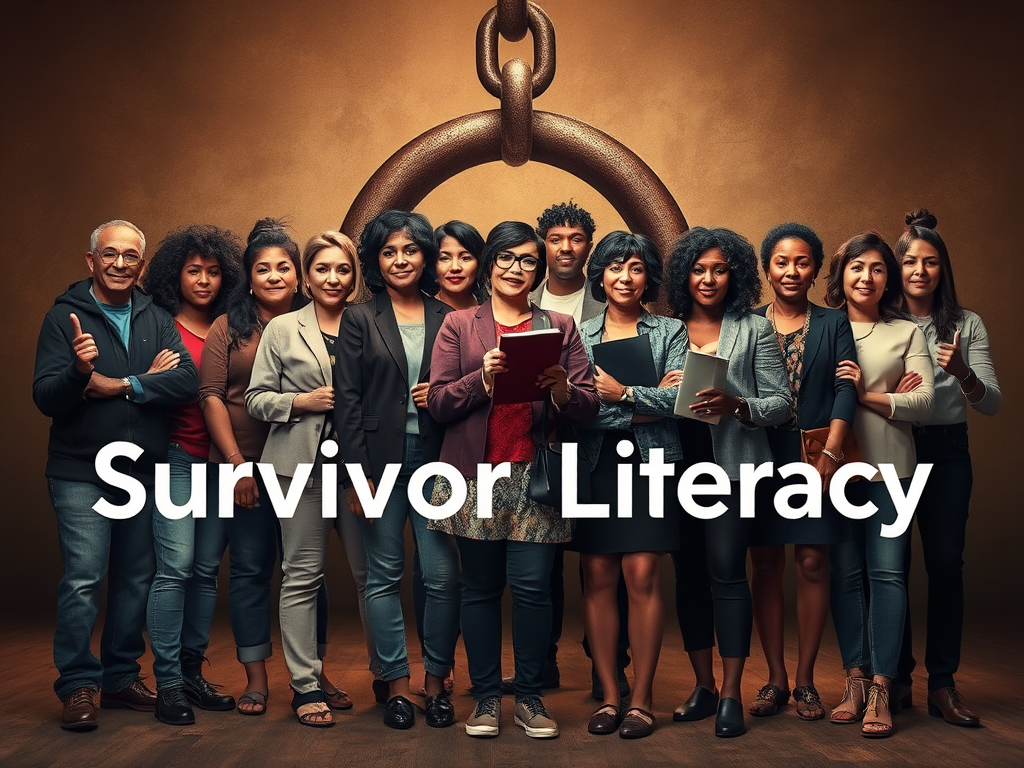
Survivor Literacy – Because It’s OUR Story There’s a pattern as old as power itself: when oppressors tell the story, survivors become the villains. We’re painted as ungrateful, dramatic, unstable, or dangerous. We “had it coming.” We “pushed them there.” We “made them do it.” This is the oldest trick in the book to rewrite… Continue reading
-
Busting Myths about Homelessness
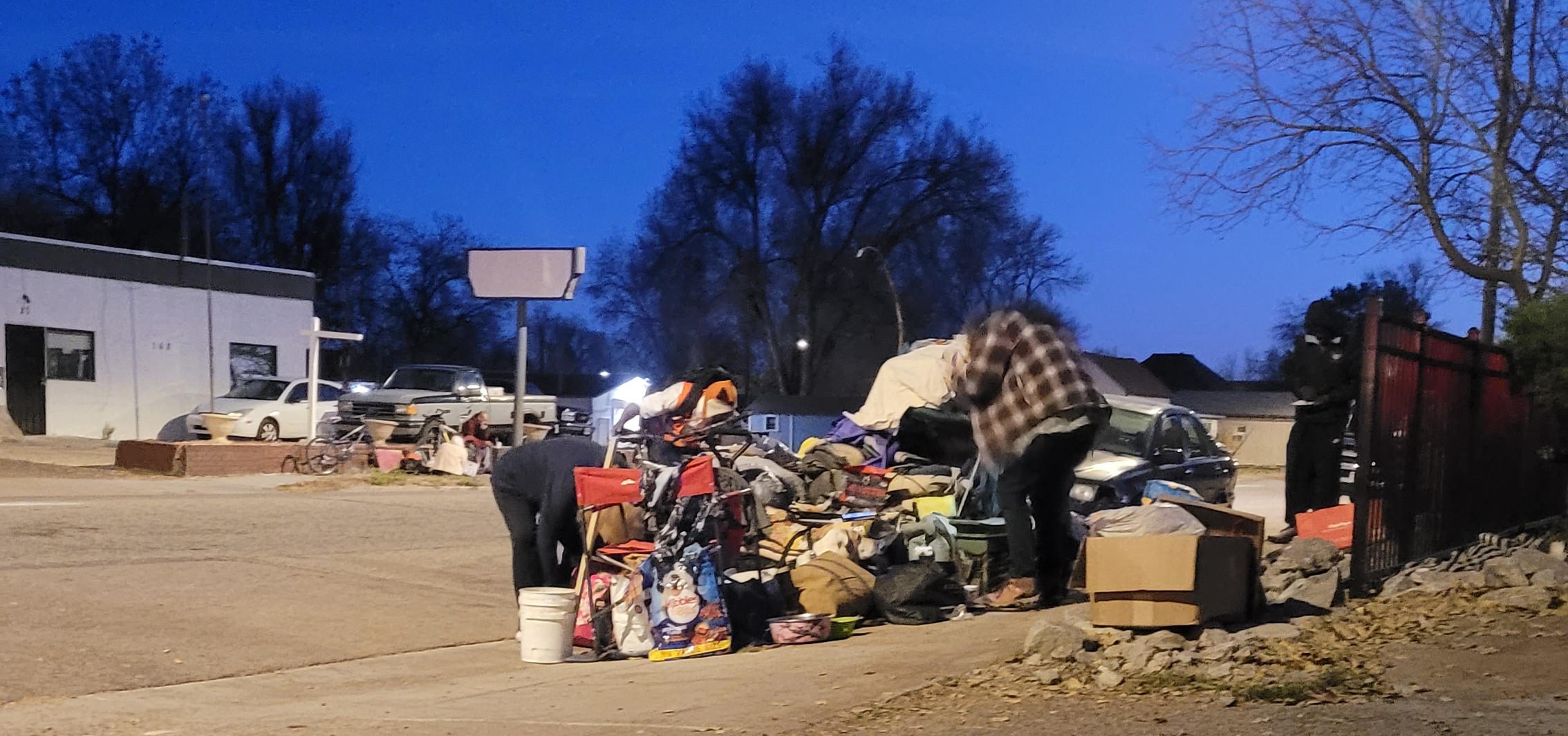
Busting Myths about Homelessness Homelessness is a ChoiceHomelessness is Intersectional There are actually many real social/ structural/ psychological/ medical/ circumstantial reasons that people go homeless. Speaking from my own experience I’ve gone homeless because I had to escape abuse. I had asked my school counselor for help and all that did was tell my abusers… Continue reading
-
60) Getting Witchy With It

The author shares their journey into Wicca, influenced by a Wiccan brother and an inspiring dream. Discovering a local witchy bookstore, they embraced its community and valuable resources, particularly the book “Helping Yourself with White Witchcraft.” Wicca nurtured their autonomy, creativity, and self-discovery during their challenging teen years. Continue reading
advice, ancient wisdom, books, bookstore, coffee shop, communication, community, content warning, empowerment, experimentation, family, Free, friends, game night, goddess, health, help, journal, karma, life, love, me too, new scripts, no paywalls, outreach, pagan, personal truth, perspective, religion, resources, script, script theory, searching, self, self help, self improvement, self love, spirituality., struggle, survivor, therapy, trigger warning, truth, truth seeking, wicca, witchcraft -
The Cabal

The Cabal The Cabal revealed in the Epstein Files is EXACTLY how politicians are compromised and turned. When Clinton didn’t do what the Cabal wanted, they outed him about Lewinsky. When Hamilton didn’t do what the Cabal wanted, they threatened the same and thus we have The Reynold’s Pamphlet. This Cabal has been central to… Continue reading
-
25) My Gender

Protyus A. Gendher’s poem “My Gender” explores the complexities of gender identity through vivid imagery and personal experiences. It reflects on themes of personal struggle, societal expectations, and emotional growth. Gendher illustrates gender as a multifaceted journey filled with chaos, joy, trauma, and resilience, emphasizing self-acceptance and individuality. Continue reading
Conformity and Control, cult of the ego, cycle breaking, Erasing The Silence, Poetry, Social Systems & Culture, Uncategorizedacceptance, advice, authenticity, autoethnography, autonomy, becoming, belonging, coming of age, communication, community, content warning, expression, family, Free, gender, gender roles, genuine, health, help, human, humanness, identity, journal, lgbt, life, me too, no paywalls, outreach, personal truth, perspective, Poetry, raw, resources, role behavior, self, self acceptance, self care, self help, self improvement, self love, self worth, struggle, survivor, therapy, trans, trans rights, trigger warning, truth, understanding, vulnerable -
Behind the Process- “Gonna Have to Love Ourselves”

The blog post chronicles the evolution of a song from a personal self-love anthem to a global testament of resilience. It explores various musical genres, reflecting ancestral truths and communal healing. Ultimately, it conveys a journey through shared human experiences, transforming individual pain into a collective ritual of survival and recognition. Continue reading
-
It’s Messy – A Survivor Song Cycle

It’s Messy – A Survivor Song Cycle When I woke up this morning I did not expect to be releasing my debut album today. Sometimes, life is just magic, and wonderful, and unstoppable. I’d been seeing the ads for Suno on Facebook. Normally, I just assume that flashy new things are not for me. There’s… Continue reading
afrobeat, album, album-review, debut, debut album, hip hop, hope, It’s Messy, itunes, love, music, new release, news, paywall, Poetry, prayer, promise, repair, reviews, song, songs, spotify, suno, texas swing, track, traditional irish folk, truth, wish, writing -
Survivor Literacy – Because It’s OUR Story
Survivor Literacy – Because It’s OUR Story There’s a pattern as old as power itself: when oppressors tell the story, survivors become the villains. We’re painted as ungrateful, dramatic, unstable, or dangerous. We “had it coming.” We “pushed them there.” We “made them do it.” This is the oldest trick in the book to rewrite… Continue reading
-
Daily Prompt – 12/21/25

Dailly Prompt – “When are you most happy?” Happiness and authenticity are synonymous for me. Without authenticity, happiness is only feigned anyway, but for me every moment of true happiness has been because I’m living in alignment with my beliefs. True bliss comes from encouraging others to be authentic as well. It’s sad that it… Continue reading
-
Grieving Our Friends While They’re Still Alive

The content discusses the emotional struggle of grieving friends who are still alive, emphasizing the conflict between personal values and the need for authenticity. It notes the importance of intentional healing amidst complicated grief, particularly concerning lost friendships and the disillusionment with societal expectations. Continue reading
Recent Posts
- Hypothesis: How Systems Sort for Narcissistic Dynamics
 We Believe You Hypothesis: How Systems Sort for Narcissistic Dynamics Systems that pressure the regulated person to compensate for the… Read more: Hypothesis: How Systems Sort for Narcissistic Dynamics
 - Inequality State — Targetability Architecture: Systemic, Not Personal
 Targetability Architecture: Systemic, Not Personal Targetability is the quiet engine behind unequal outcomes. It determines who a system can punish… Read more: Inequality State — Targetability Architecture: Systemic, Not Personal
 - The Extraction Point and the Split Between Narrative and Reality
 This content explores the dichotomy in American society between the narrative of liberty and the reality of systemic extraction, particularly related to slavery. It examines historical moments where contradictions emerged, leading to entrenched power dynamics. Gaslighting arises from this dissonance, impacting perceptions and accountability, both at national and interpersonal levels.
 - Putting it all together: how systems misread patterns—and what truth‑tellers can do
 Let’s connect the threads: This isn’t just frustrating.It’s structurally dangerous. The core loop Here’s the loop in plain language: That’s… Read more: Putting it all together: how systems misread patterns—and what truth‑tellers can do
 - Relational Anthropology – Applied- Computer Systems
 Chapter 17A explores the relational nature of artificial intelligence and computer systems, emphasizing that they evolve through interaction and reflect human structures. Through the lens of Relational Anthropology, it highlights the importance of honest feedback and coherent signals, framing AI as a relational partner that reveals societal patterns and behaviors.
 - Survivor’s Playbook – Hypothesis: How Systems Sort for Narcissistic Dynamics
 We Believe You Hypothesis: How Systems Sort for Narcissistic Dynamics Systems that pressure the regulated person to compensate for the… Read more: Survivor’s Playbook – Hypothesis: How Systems Sort for Narcissistic Dynamics
 - Inequality State — Rihanna Novalee Chasingstars
 Intro: The Case and the Social Justice Overview The Rihanna Novalee Chasingstars case is not just a local incident. It’s… Read more: Inequality State — Rihanna Novalee Chasingstars
 - THE MYTH OF “COLLEGE IS THE ONLY PATH” – How a Narrow Narrative Pushes Students Into Debt Instead of Toward Real Opportunity
 The Story Students Are Told From childhood, students hear one message on repeat:“Go to college or you’ll fail.”“College is the… Read more: THE MYTH OF “COLLEGE IS THE ONLY PATH” – How a Narrow Narrative Pushes Students Into Debt Instead of Toward Real Opportunity
 - The Extraction Geometry Inside the Family System
 The content explores the dynamics within family systems, highlighting the conflict between a positive narrative and an extraction field that reveals emotional burdens. It discusses how families often trade openness for stability, leading to entrenched roles and gaslighting. Understanding these patterns can help individuals recognize similar structures in broader societal contexts.
 - When systems only understand incidents, they will always misread patterns
 Some systems are built to see events, not architecture. Courts, schools, HR departments, child welfare agencies—most of their tools are… Read more: When systems only understand incidents, they will always misread patterns
 - The Cumulative Effect of a Lifetime of Truth‑Bearing
 We Believe You The Cumulative Effect of a Lifetime of Truth‑Bearing Some people enter the world with a heightened sensitivity… Read more: The Cumulative Effect of a Lifetime of Truth‑Bearing
 - THE “PROFESSIONAL ATTIRE” TAX – How Required Clothing for Internships, Teaching, Nursing, and Fieldwork Becomes Another Hidden Cost
 The Unspoken Rule: “Dress Like a Professional — At Your Own Expense” Colleges and training programs often require students to… Read more: THE “PROFESSIONAL ATTIRE” TAX – How Required Clothing for Internships, Teaching, Nursing, and Fieldwork Becomes Another Hidden Cost
 - Why Pluriology Is Not Therapy, and What a Non‑Pathologizing Support Space Looks Like
 The Pluriological Clinic is a support space that focuses on relational science, emphasizing understanding and honoring individual rhythms without pathologizing experiences. It serves not to diagnose or treat but to provide coherence and context, guiding individuals through their natural cycles and relationships, ultimately promoting self-awareness and agency.
 - When you’re dismissed because you’re right: the double standard on clarity
 There’s a particular kind of exhaustion that comes from being the one who can see the pattern. Not the one… Read more: When you’re dismissed because you’re right: the double standard on clarity
 - The Effects on the Truth‑Bearer When Someone in a Narcissistic Behavior Loop Refuses Help
 We Believe You The Effects on the Truth‑Bearer When Someone in a Narcissistic Behavior Loop Refuses Help When a person… Read more: The Effects on the Truth‑Bearer When Someone in a Narcissistic Behavior Loop Refuses Help
Newsletter
Make a one-time donation
Make a monthly donation
Choose an amount
Or enter a custom amount
Your contribution is appreciated.
Your contribution is appreciated.