Protyus A. Gendher
-
Family

The poem “Family” by Protyus A. Gendher explores the pain and alienation felt within a dysfunctional family. It reflects on the façade of love and support while revealing the torment of gaslighting and the pressure to conform. Ultimately, the speaker recognizes the impact of this toxicity on their own child and struggles with the need… Continue reading
-
Disposable

The poem “Disposable” by Protyus A. Gendher reflects the pain of feeling welcomed only to be reminded of one’s outsider status. The author expresses the hurt of false kindness from those who, once boundaries are drawn, reveal that their affection is conditional, leaving the speaker feeling alone and undervalued. Continue reading
cult of the ego, cycle breaking, Erasing The Silence, grooming, human trafficking, Let Them – Review, Revictimization, Uncategorizedadvice, art, communication, community, content warning, disposable, family, Free, gullible, health, help, human, journal, kindness, life, love, me too, no paywalls, outcast, outreach, pariah, people, personal truth, perspective, Poetry, resources, self help, self improvement, struggle, survivor, therapy, trigger warning -
30) Public Shaming

Public shaming in educational settings has severe detrimental effects on children’s identity and mental health. It fosters fear, resentment, and low self-esteem, and reinforces negative behaviors such as bullying. A nurturing environment, free from humiliation, is critical for fostering growth, vulnerability, and overall wellbeing in children facing diverse challenges. Continue reading
Conformity and Control, cult of the ego, cycle breaking, Erasing The Silence, grooming, Health and Healing, Social Issues, theory, Uncategorizedadministration, adolescence, advice, anthropology, autoethnography, brene brown, bullying, childhood, columbine, communication, community, content warning, counselors, cult of the ego, damage, damage control, family, Free, happy child, health, help, human improvement project, journal, learning, life, me too, Mental Health, no more, no paywalls, not on my watch, outreach, parenting, personal truth, perspective, principal, psychology, public school, public shaming, resources, safety, school, school shooter, self help, self improvement, shame, shame resilience, social science, sociology, stand with emma, struggle, super intendent, survivor, teachers, therapy, toxicity, toxicity toolkit, trigger warning, vulnerability, Wellness -
Zebra Files 19) The Symptoms
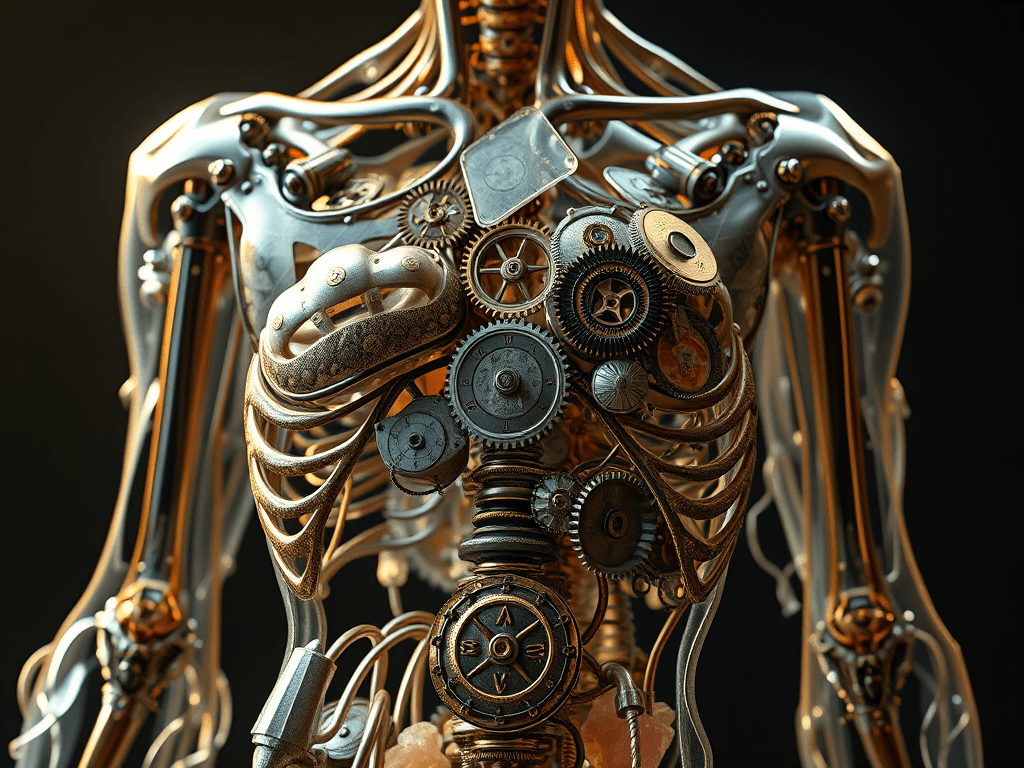
The author shares a comprehensive list of their various health symptoms and diagnoses, including ADHD, autism, arthritis, and chronic pain. They aim to track their health changes as they interact with specialists and emphasize that the list serves as a reference. Many symptoms are severe and include issues like fatigue and digestive sensitivities. Continue reading
Ehlers Danlos Syndrome, Health and Healing, Protyus Quest for Care, Rare Diagnoses, Uncategorized, Wealthcareadhd, advice, allergy, ankle pain, anxiety, appointments, arm pain, arthritis, asthma, Autism, back-pain, birth control, blood, blood tests, body, bowels, breathing, bruising, carpel, carpel tunnel, chronic illness, chronic pain, clicking, cold sensitive, communication, community, comorbidities, content warning, control, dairy, dazzle, degenerative, degenerative disc, depo, Diagnoses, diet, Doctors, dyes, edema, EDS, Ehlers Danlos Syndrome, electrical, family, fatigue, foot pain, Free, frequent urination, global joint laxity, gluten, grinding, grip, hand pain, health, hearing, heartbeat, heartrate, heat intolerance, help, hip pain, hypermobile, ibs, ibsc, iud, joint, joint laxity, joints, journal, knee pain, labs, latex, latex allergy, laxity, leg pain, life, lifestyle, low carb, low fat, lower back, mcas, me too, Medical, Medicine, Mental Health, metabolic syndrome, morbidly obese, muscle spasms, neck pain, neuropathy, no paywalls, nonbinary, novaring, numb, obese, obesity, outreach, overweight, pain, peppers, personal truth, perspective, pins and needles, popping, preservatives, reference, resources, safety, sciatica, scoliosis, self help, self improvement, shoulder pain, special diet, specialists, stabbing, struggle, survivor, sweeteners, swelling, symptoms, therapy, tingling, trans, transgender, trigger warning, tummy, tummy ache, varicose veins, vibrating, vision, Wellness, wrist pain, xray, Zebra -
Zebra Files 18) Understanding Where I’m Coming From

The author shares poetry reflecting on personal health struggles, including mental health, ADHD, and obesity. The poem describes a transformative experience with mental anguish, contemplating death before choosing life. The semicolon symbolizes resilience, representing a continuation of the author’s story despite hardships. The work emphasizes overcoming despair and embracing a renewed existence. Continue reading
Ehlers Danlos Syndrome, Health and Healing, Protyus Quest for Care, Rare Diagnoses, Social Issues, Uncategorized, Wealthcareadvice, anthropology, autoethnography, communication, community, content warning, cry for help, family, Free, health, healthcare, help, journal, life, lifestyle, me too, Medicine, Mental Health, no paywalls, outreach, personal truth, perspective, Poetry, protyusagendher, psychology, resources, self help, self improvement, semicolon, sociology, struggle, suicidality, suicide, survivor, therapy, trapped, trigger warning, Wealthcare -
29) Sisters Part Two

The author reflects on the challenging experience of caring for younger sisters, feeling the absence of their mother. Bath time transforms from joy to a struggle, marked by fear and harsh discipline influenced by the mother’s expectations. The narrator grapples with feelings of inadequacy and learns harmful lessons on parenting. Continue reading
Conformity and Control, cult of the ego, cycle breaking, Erasing The Silence, grooming, Social Issues, Uncategorizedabuse, advice, anthropology, autoethnography, bath, childcare, communication, community, content warning, cult of the ego, cycle, cycle breaker, cycles of abuse, dysfunction, dysfunctional family, dysregulation, family, family scapegoat syndrome, Free, grooming, growing up, health, help, journal, life, me too, mom, narcissist, no paywalls, outreach, parentified, parentified child, personal truth, perspective, psychology, resources, self help, self improvement, sisters, social science, sociology, spanking, struggle, survivor, teens, therapy, training, trigger warning, water -
28) Sisters

The author reflects on their complex relationships with younger sisters, shaped significantly by the loss of their father. Sister A, often feeling neglected, developed a distrustful personality, while Sister B became the author’s cherished companion. The narrative explores family dynamics, caregiving responsibilities, and the lasting impact of grief on sibling connections. Continue reading
Conformity and Control, cult of the ego, cycle breaking, Erasing The Silence, grooming, Social Issues, Uncategorizedadvice, anthropology, autoethnography, babies, child rearing, communication, community, content warning, depression, development, family, Free, grooming, health, help, journal, life, me too, Mental Health, milestones, naptime, no paywalls, outreach, personal truth, perspective, preteen, psychology, recovery, resources, self help, self improvement, sib, sisters, sociology, struggle, suicide, survivor, teenager, therapy, toddler, toddlers, training, trauma, trigger warning -
Zebra Files 17) Trying To Hit A Moving Target

The writer compares managing health challenges to eating a whole elephant, emphasizing ongoing struggles with pain, medical tests, and difficult lifestyle choices. They face guilt over limitations and are exploring dietary changes to alleviate symptoms. Despite setbacks, they remain committed to seeking treatment and improving their well-being while acknowledging the complexities involved. Continue reading
Ehlers Danlos Syndrome, Health and Healing, Protyus Quest for Care, Rare Diagnoses, Social Issues, Uncategorized, Wealthcareadvice, anthropology, autoethnography, care, choices, communication, community, content warning, diet, Doctors, drugs, EDS, ehlers danlos, Ehlers Danlos Syndrome, family, Free, health, healthcare, help, journal, labs, life, lifestyle, me too, Medicine, meds, Mental Health, moving target, mri, no paywalls, normal, outreach, personal truth, perspective, psychology, resources, results, self help, self improvement, sociology, struggle, survivor, symptoms, target, tests, therapy, trigger warning, Wealthcare, Zebra -
27) Autism

The author reflects on their journey with autism and ADHD, emphasizing the struggles of misdiagnosis and societal expectations. They recount experiences of isolation, misunderstanding, and the challenges of conformity in a rigid educational system. The narrative highlights the need for better recognition of autism, particularly among girls and non-binary individuals. Continue reading
Conformity and Control, cult of the ego, cycle breaking, Erasing The Silence, grooming, Health and Healing, Social Issues, Uncategorizedabuse, adhd, advice, anthropology, assessment, Autism, autistic, autoethnography, communication, community, content warning, diagnosis, family, Free, gender, health, help, journal, life, lifestyle, me too, no paywalls, outreach, personal truth, perspective, psychology, punishment, resources, rfk, schizophrenia, self diagnosed, self help, self improvement, sociology, struggle, survivor, therapy, trigger warning, undiagnosed, vaccine -
Zebra Files 16) While We Wait

The speaker is facing a month-long wait for a neurologist referral and additional delays for a geneticist’s diagnosis. Pending treatments include physical therapy, acupuncture, therapy, massage, chiropractic care, and potential pain injections. They also share a link to an external healing resource. Continue reading
Ehlers Danlos Syndrome, Health and Healing, Protyus Quest for Care, Rare Diagnoses, Revictimization, Social Issues, Uncategorized, Wealthcareadvice, anthropology, asking for help, Autism, autoethnography, communication, community, content warning, diagnosed, family, Free, health, healthcare, help, how to, journal, life, me too, Mental Health, neurodivergent, no paywalls, outreach, pending, personal truth, perspective, Poetry, psychology, purgatory, resources, self help, self improvement, sociology, struggle, survivor, ted talk, therapy, trigger warning, undiagnosed, waiting, Wealthcare -
Zebra Files 15) Meaningless Answers

The author shares their ongoing struggle with persistent symptoms despite normal MRI results, ruling out MS and a CSF leak. They face severe pain, mobility issues, and insurance challenges for necessary physical therapy. A reduction in work hours raises financial concerns, while waiting for further medical evaluations adds to their anxiety. Continue reading
Ehlers Danlos Syndrome, Health and Healing, Protyus Quest for Care, Rare Diagnoses, Social Issues, Uncategorized, Wealthcareabnormal, advice, anthropology, autoethnography, communication, community, content warning, CSF Leak, EDS, ehlers danlos, Ehlers Danlos Syndrome, family, Free, health, healthcare, help, journal, labs, life, lifestyle, me too, Medicine, Mental Health, mri, multiple sclerosis, no paywalls, normal, outreach, personal truth, perspective, psychology, resources, self help, self improvement, sociology, struggle, survivor, testing, tests, therapy, trigger warning, Wealthcare, your labs are fine, Zebra -
26) Adolescent Sexuality

The author reflects on adolescence. Continue reading
cult of the ego, cycle breaking, Erasing The Silence, grooming, Poetry, Social Issues, Uncategorizedadolescence, advice, anthropology, autoethnography, autonomy, becoming, bisexual, bonding, communication, community, content warning, dare, experimentation, exploration, family, Free, gender, gender roles, grooming, health, help, journal, life, me too, no paywalls, nonbinary, outreach, pansexual, personal truth, perspective, psychology, resources, self help, self improvement, sexuality, sociology, struggle, survivor, therapy, trans, transgender, trauma, traumabonding, trigger warning, undesirable, unlovable -
Zebra Files 14) Schrodinger’s Brain
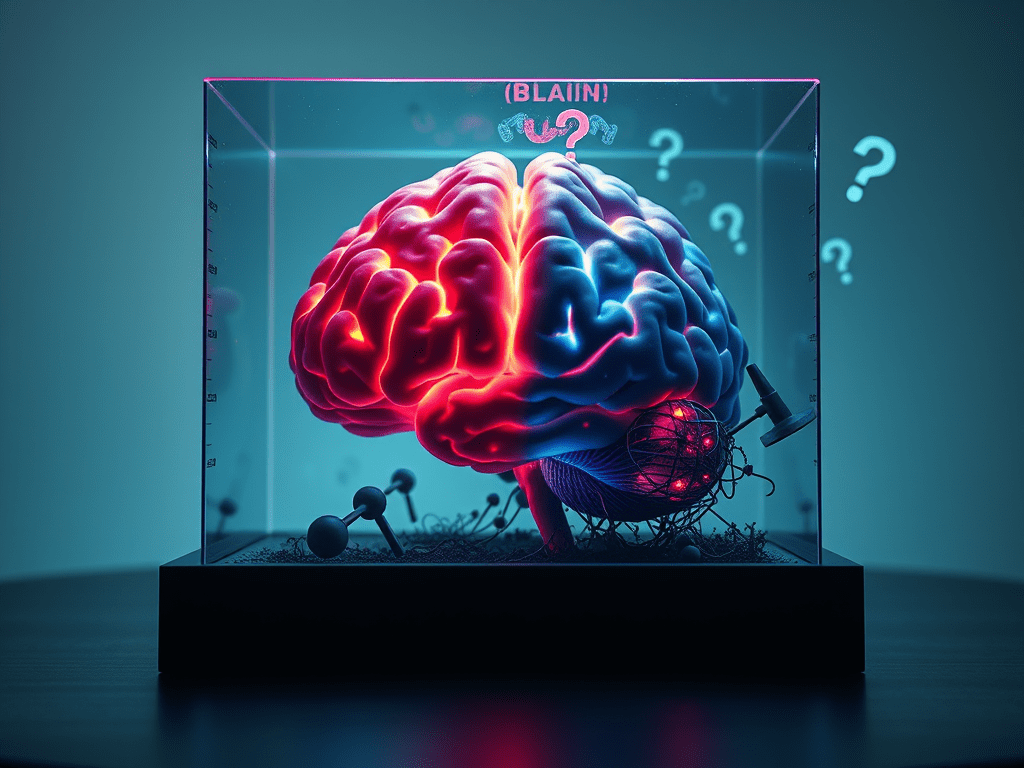
The author explores the complex nature of illness and self-doubt through the metaphor of Schrodinger’s brain, likening their symptoms to being simultaneously real and unreal. This internal struggle involves battling a critical inner voice, “Joyce,” and the challenge of seeking validation amidst fluctuating health. The journey highlights the quest for real answers and relief. Continue reading
Ehlers Danlos Syndrome, Health and Healing, Protyus Quest for Care, Rare Diagnoses, Social Issues, Uncategorized, Wealthcareadvice, anthropology, autoethnography, body, communication, community, content warning, EDS, Ehlers Danlos Syndrome, family, Free, headaches, health, healthcare, help, journal, life, lifestyle, me too, Medical, Medicine, Mental Health, multiple sclerosis, neuropathy, no paywalls, outreach, pain, personal truth, perspective, psychology, regimen, resources, schrodinger, self help, self improvement, sociology, struggle, survivor, symptoms, therapy, trigger warning, Wealthcare, Zebra -
25) My Gender

Protyus A. Gendher’s poem “My Gender” explores the complexities of gender identity through vivid imagery and personal experiences. It reflects on themes of personal struggle, societal expectations, and emotional growth. Gendher illustrates gender as a multifaceted journey filled with chaos, joy, trauma, and resilience, emphasizing self-acceptance and individuality. Continue reading
Conformity and Control, cult of the ego, cycle breaking, Erasing The Silence, Poetry, Social Issues, Uncategorizedacceptance, advice, authenticity, autoethnography, autonomy, becoming, belonging, coming of age, communication, community, content warning, expression, family, Free, gender, gender roles, genuine, health, help, human, humanness, identity, journal, lgbt, life, me too, no paywalls, outreach, personal truth, perspective, Poetry, raw, resources, role behavior, self, self acceptance, self care, self help, self improvement, self love, self worth, struggle, survivor, therapy, trans, trans rights, trigger warning, truth, understanding, vulnerable -
24) It’s Ok

The content explores the complexities of grief through a reflective lens. It emphasizes that it’s acceptable to experience various emotions during mourning, highlighting the notion that one can feel both okay and not okay simultaneously. The author encourages self-acceptance and underscores the importance of personal healing journeys. Continue reading
advice, anthropology, authenticity, autoethnography, communication, community, connection, content warning, family, Free, grief, grieving, healing, health, help, its ok, journal, life, losing people, loss, loved ones, me too, Mental Health, moving on, no paywalls, outreach, personal truth, perspective, poem, Poetry, psychology, recovery, resources, script, script theory, self help, self improvement, struggle, suicide, survivor, therapy, trauma, trigger warning
Recent Posts
- Relational Field Theory –
 Allison Quaggin exemplifies a precise and analytical presence in her field, characterized by methodological acuity and intellectual clarity. She organizes complexity by emphasizing structure and evidence, fostering reliable and thoughtful interactions. However, her intensity may come across as cold, potentially limiting emotional nuance and relational warmth.
 - Relational Field Theory – What ongoing adverse pressure does to the shadow form
 Relational Field Theory illustrates how ongoing adverse pressure transforms an individual’s brilliance into a survival strategy, eventually leading to the emergence of a shadow form. This shadow, perceived as identity, is a response to unsustainable demands. It distorts self-perception and limits access to one’s full potential, but can revert when the pressure alleviates.
 - Relational Field Theory – Plurallile Profile: Cathy Connolly
 Cathy Connolly exemplifies a structural amplifier in her approach to relational field theory, enhancing spaces through ethical architecture and principled clarity. Her presence fosters environments for marginalized voices and translates lived experience into structural insight. However, her commitment to coherence can lead to inflexibility under pressure, impacting her availability to others’ complexities.
 - Relational Field Theory – Plurallile Profile: Jim Osborn (UW)
 Jim Osborn, affiliated with UW, exemplifies a stabilizing presence in any environment. His focus on structural clarity fosters intellectual collaboration while maintaining protective boundaries. Although his quiet nature can sometimes appear distant or restrictive, Osborn provides essential stability, allowing more dynamic individuals to thrive without disruption.
 - Relational Field Theory -The 80/20 Rule of Healthy Mentorship
 The 80/20 Rule emphasizes the importance of balanced mentorship, warning against over-investment from mentors. Healthy relationships thrive when mentors invest slightly less than their mentees, fostering independence and collaboration. This rule helps prevent burnout and dependency, ensuring both parties grow while maintaining boundaries and shared responsibility in the mentorship journey.
 - Relational Field Theory – PLURALLILE PROFILE: DR. SARAH STRAUSS
 Dr. Sarah Strauss, a yoga and anthropology scholar, embodies the connection between theory and practice. Known as “The Embodied Cartographer,” she fosters an environment where cultural theory intertwines with lived experience, encouraging students to view their bodies as knowledge sources. Her presence cultivates groundedness, curiosity, and warmth in learning.
 - Relational Field Theory – PLURALLILE PROFILE: MELISSA S. MURPHY
 Melissa S. Murphy exemplifies a grounded scholar, creating a relational field that fosters clarity, calm, and security for her students. With a measured and warm presence, she clarifies without asserting dominance, allowing students to thrive intellectually. Her humility often masks her significant impact, embodying a quiet yet powerful educational force.
 - Relational Field Theory – PLURALLILE PROFILE: ALISON GRENDAHL (UW)
 Alison Grendahl, a Warm-Edged Scholar, embodies a duality of warmth and intellectual clarity in her teaching approach. She fosters a supportive academic environment that encourages rigor while promoting emotional intelligence. Her methods inspire students to thrive, though she sometimes shoulders too much responsibility, making her care invisible.
 - Relational Field Theory – PLURALLILE PROFILE: SUSAN STODDARD (UW McNair)
 Susan Stoddard embodies the role of a steady, supportive guide for students, fostering a calm environment where potential is recognized and built upon. Her approach emphasizes gentle accountability and intellectual dignity, transforming students’ self-perceptions without imposing undue pressure, thus enabling them to envision and pursue previously unreachable futures.
 - Relational Field Theory -PLURALLILE PROFILE: ZACKIE SALMON
 Zackie Salmon embodies the “Precision Trickster” archetype, characterized by quick wit and incisive insights that disrupt power dynamics with humor. As a catalyst for change, they awaken stagnant spaces, encouraging honesty and intellectual risk. While their agility can overwhelm some, their presence fosters clarity and bravery in conversations.
 - Relational Field Theory – PLURALLILE PROFILE: DR. BUNNY LOGAN (ACADEMIC)
 Dr. Bunny Logan, an academic characterized by the archetype of the “Gentle Incisor,” promotes approachability and warmth while delivering incisive insights. They stabilize chaotic intellectual environments by absorbing tension and fostering a sense of safety in learning. However, they risk over-accommodating others and losing energy due to their gentle nature.
 - Relational Field Theory – It’s Not Actually All About My Dad — It’s Just a Lot About My Dad
 The narrative explores the author’s journey of self-discovery, revealing that their story is less about parental loss and more about the Platte River’s influence. The river symbolizes adaptability and resilience, reflecting the author’s creative process. Ultimately, the connection to the land and its waterways shapes their identity and artistic expression.
 - Relational Field Theory -Maybe I’m Not a Bug. Maybe I’m a Feature.
 The author reflects on their lifelong feelings of misalignment and sensitivity, stemming from early trauma. Initially perceived as flaws, these traits are now recognized as vital adaptations that foster resilience and unique perspectives. The shift in understanding highlights the importance of embracing one’s experiences, suggesting that those who feel “too much” may instead be invaluable features shaped by their challenges.
 - Relational Field Theory –
 The content emphasizes that personal growth isn’t solely about effort but is heavily influenced by five layers of reality: self, field, structure, system, and function. It explains dormancy as a protective state rather than failure, highlighting that alignment of these layers is crucial for emergence and growth.
 - Relational Field Theory – Let’s Argue Semantics
 Relational Field Theory emphasizes the significance of precise semantics in communication and understanding human interactions. By distinguishing terms like “dis-” and “dys-,” RFT clarifies relational dynamics, guiding appropriate interventions. This chapter highlights the need for a coherent vocabulary to facilitate meaningful dialogues across various fields, setting the stage for further exploration.
Newsletter
Make a one-time donation
Make a monthly donation
Choose an amount
Or enter a custom amount
Your contribution is appreciated.
Your contribution is appreciated.
DonateDonate monthly Survivor Literacy