Protyus A. Gendher
-
Disposable

The poem “Disposable” by Protyus A. Gendher reflects the pain of feeling welcomed only to be reminded of one’s outsider status. The author expresses the hurt of false kindness from those who, once boundaries are drawn, reveal that their affection is conditional, leaving the speaker feeling alone and undervalued. Continue reading
cult of the ego, cycle breaking, Erasing The Silence, grooming, human trafficking, Let Them – Review, Revictimization, Uncategorizedadvice, art, communication, community, content warning, disposable, family, Free, gullible, health, help, human, journal, kindness, life, love, me too, no paywalls, outcast, outreach, pariah, people, personal truth, perspective, Poetry, resources, self help, self improvement, struggle, survivor, therapy, trigger warning -
30) Public Shaming

Public shaming in educational settings has severe detrimental effects on children’s identity and mental health. It fosters fear, resentment, and low self-esteem, and reinforces negative behaviors such as bullying. A nurturing environment, free from humiliation, is critical for fostering growth, vulnerability, and overall wellbeing in children facing diverse challenges. Continue reading
Conformity and Control, cult of the ego, cycle breaking, Erasing The Silence, grooming, Health and Healing, Social Issues, theory, Uncategorizedadministration, adolescence, advice, anthropology, autoethnography, brene brown, bullying, childhood, columbine, communication, community, content warning, counselors, cult of the ego, damage, damage control, family, Free, happy child, health, help, human improvement project, journal, learning, life, me too, Mental Health, no more, no paywalls, not on my watch, outreach, parenting, personal truth, perspective, principal, psychology, public school, public shaming, resources, safety, school, school shooter, self help, self improvement, shame, shame resilience, social science, sociology, stand with emma, struggle, super intendent, survivor, teachers, therapy, toxicity, toxicity toolkit, trigger warning, vulnerability, Wellness -
Zebra Files 19) The Symptoms

The author shares a comprehensive list of their various health symptoms and diagnoses, including ADHD, autism, arthritis, and chronic pain. They aim to track their health changes as they interact with specialists and emphasize that the list serves as a reference. Many symptoms are severe and include issues like fatigue and digestive sensitivities. Continue reading
Ehlers Danlos Syndrome, Health and Healing, Protyus Quest for Care, Rare Diagnoses, Uncategorized, Wealthcareadhd, advice, allergy, ankle pain, anxiety, appointments, arm pain, arthritis, asthma, Autism, back-pain, birth control, blood, blood tests, body, bowels, breathing, bruising, carpel, carpel tunnel, chronic illness, chronic pain, clicking, cold sensitive, communication, community, comorbidities, content warning, control, dairy, dazzle, degenerative, degenerative disc, depo, Diagnoses, diet, Doctors, dyes, edema, EDS, Ehlers Danlos Syndrome, electrical, family, fatigue, foot pain, Free, frequent urination, global joint laxity, gluten, grinding, grip, hand pain, health, hearing, heartbeat, heartrate, heat intolerance, help, hip pain, hypermobile, ibs, ibsc, iud, joint, joint laxity, joints, journal, knee pain, labs, latex, latex allergy, laxity, leg pain, life, lifestyle, low carb, low fat, lower back, mcas, me too, Medical, Medicine, Mental Health, metabolic syndrome, morbidly obese, muscle spasms, neck pain, neuropathy, no paywalls, nonbinary, novaring, numb, obese, obesity, outreach, overweight, pain, peppers, personal truth, perspective, pins and needles, popping, preservatives, reference, resources, safety, sciatica, scoliosis, self help, self improvement, shoulder pain, special diet, specialists, stabbing, struggle, survivor, sweeteners, swelling, symptoms, therapy, tingling, trans, transgender, trigger warning, tummy, tummy ache, varicose veins, vibrating, vision, Wellness, wrist pain, xray, Zebra -
Zebra Files 18) Understanding Where I’m Coming From

The author shares poetry reflecting on personal health struggles, including mental health, ADHD, and obesity. The poem describes a transformative experience with mental anguish, contemplating death before choosing life. The semicolon symbolizes resilience, representing a continuation of the author’s story despite hardships. The work emphasizes overcoming despair and embracing a renewed existence. Continue reading
Ehlers Danlos Syndrome, Health and Healing, Protyus Quest for Care, Rare Diagnoses, Social Issues, Uncategorized, Wealthcareadvice, anthropology, autoethnography, communication, community, content warning, cry for help, family, Free, health, healthcare, help, journal, life, lifestyle, me too, Medicine, Mental Health, no paywalls, outreach, personal truth, perspective, Poetry, protyusagendher, psychology, resources, self help, self improvement, semicolon, sociology, struggle, suicidality, suicide, survivor, therapy, trapped, trigger warning, Wealthcare -
29) Sisters Part Two

The author reflects on the challenging experience of caring for younger sisters, feeling the absence of their mother. Bath time transforms from joy to a struggle, marked by fear and harsh discipline influenced by the mother’s expectations. The narrator grapples with feelings of inadequacy and learns harmful lessons on parenting. Continue reading
Conformity and Control, cult of the ego, cycle breaking, Erasing The Silence, grooming, Social Issues, Uncategorizedabuse, advice, anthropology, autoethnography, bath, childcare, communication, community, content warning, cult of the ego, cycle, cycle breaker, cycles of abuse, dysfunction, dysfunctional family, dysregulation, family, family scapegoat syndrome, Free, grooming, growing up, health, help, journal, life, me too, mom, narcissist, no paywalls, outreach, parentified, parentified child, personal truth, perspective, psychology, resources, self help, self improvement, sisters, social science, sociology, spanking, struggle, survivor, teens, therapy, training, trigger warning, water -
28) Sisters

The author reflects on their complex relationships with younger sisters, shaped significantly by the loss of their father. Sister A, often feeling neglected, developed a distrustful personality, while Sister B became the author’s cherished companion. The narrative explores family dynamics, caregiving responsibilities, and the lasting impact of grief on sibling connections. Continue reading
Conformity and Control, cult of the ego, cycle breaking, Erasing The Silence, grooming, Social Issues, Uncategorizedadvice, anthropology, autoethnography, babies, child rearing, communication, community, content warning, depression, development, family, Free, grooming, health, help, journal, life, me too, Mental Health, milestones, naptime, no paywalls, outreach, personal truth, perspective, preteen, psychology, recovery, resources, self help, self improvement, sib, sisters, sociology, struggle, suicide, survivor, teenager, therapy, toddler, toddlers, training, trauma, trigger warning -
Zebra Files 17) Trying To Hit A Moving Target

The writer compares managing health challenges to eating a whole elephant, emphasizing ongoing struggles with pain, medical tests, and difficult lifestyle choices. They face guilt over limitations and are exploring dietary changes to alleviate symptoms. Despite setbacks, they remain committed to seeking treatment and improving their well-being while acknowledging the complexities involved. Continue reading
Ehlers Danlos Syndrome, Health and Healing, Protyus Quest for Care, Rare Diagnoses, Social Issues, Uncategorized, Wealthcareadvice, anthropology, autoethnography, care, choices, communication, community, content warning, diet, Doctors, drugs, EDS, ehlers danlos, Ehlers Danlos Syndrome, family, Free, health, healthcare, help, journal, labs, life, lifestyle, me too, Medicine, meds, Mental Health, moving target, mri, no paywalls, normal, outreach, personal truth, perspective, psychology, resources, results, self help, self improvement, sociology, struggle, survivor, symptoms, target, tests, therapy, trigger warning, Wealthcare, Zebra -
27) Autism

The author reflects on their journey with autism and ADHD, emphasizing the struggles of misdiagnosis and societal expectations. They recount experiences of isolation, misunderstanding, and the challenges of conformity in a rigid educational system. The narrative highlights the need for better recognition of autism, particularly among girls and non-binary individuals. Continue reading
Conformity and Control, cult of the ego, cycle breaking, Erasing The Silence, grooming, Health and Healing, Social Issues, Uncategorizedabuse, adhd, advice, anthropology, assessment, Autism, autistic, autoethnography, communication, community, content warning, diagnosis, family, Free, gender, health, help, journal, life, lifestyle, me too, no paywalls, outreach, personal truth, perspective, psychology, punishment, resources, rfk, schizophrenia, self diagnosed, self help, self improvement, sociology, struggle, survivor, therapy, trigger warning, undiagnosed, vaccine -
Zebra Files 16) While We Wait

The speaker is facing a month-long wait for a neurologist referral and additional delays for a geneticist’s diagnosis. Pending treatments include physical therapy, acupuncture, therapy, massage, chiropractic care, and potential pain injections. They also share a link to an external healing resource. Continue reading
Ehlers Danlos Syndrome, Health and Healing, Protyus Quest for Care, Rare Diagnoses, Revictimization, Social Issues, Uncategorized, Wealthcareadvice, anthropology, asking for help, Autism, autoethnography, communication, community, content warning, diagnosed, family, Free, health, healthcare, help, how to, journal, life, me too, Mental Health, neurodivergent, no paywalls, outreach, pending, personal truth, perspective, Poetry, psychology, purgatory, resources, self help, self improvement, sociology, struggle, survivor, ted talk, therapy, trigger warning, undiagnosed, waiting, Wealthcare -
Zebra Files 15) Meaningless Answers

The author shares their ongoing struggle with persistent symptoms despite normal MRI results, ruling out MS and a CSF leak. They face severe pain, mobility issues, and insurance challenges for necessary physical therapy. A reduction in work hours raises financial concerns, while waiting for further medical evaluations adds to their anxiety. Continue reading
Ehlers Danlos Syndrome, Health and Healing, Protyus Quest for Care, Rare Diagnoses, Social Issues, Uncategorized, Wealthcareabnormal, advice, anthropology, autoethnography, communication, community, content warning, CSF Leak, EDS, ehlers danlos, Ehlers Danlos Syndrome, family, Free, health, healthcare, help, journal, labs, life, lifestyle, me too, Medicine, Mental Health, mri, multiple sclerosis, no paywalls, normal, outreach, personal truth, perspective, psychology, resources, self help, self improvement, sociology, struggle, survivor, testing, tests, therapy, trigger warning, Wealthcare, your labs are fine, Zebra -
26) Adolescent Sexuality

The author reflects on adolescence. Continue reading
cult of the ego, cycle breaking, Erasing The Silence, grooming, Poetry, Social Issues, Uncategorizedadolescence, advice, anthropology, autoethnography, autonomy, becoming, bisexual, bonding, communication, community, content warning, dare, experimentation, exploration, family, Free, gender, gender roles, grooming, health, help, journal, life, me too, no paywalls, nonbinary, outreach, pansexual, personal truth, perspective, psychology, resources, self help, self improvement, sexuality, sociology, struggle, survivor, therapy, trans, transgender, trauma, traumabonding, trigger warning, undesirable, unlovable -
Zebra Files 14) Schrodinger’s Brain
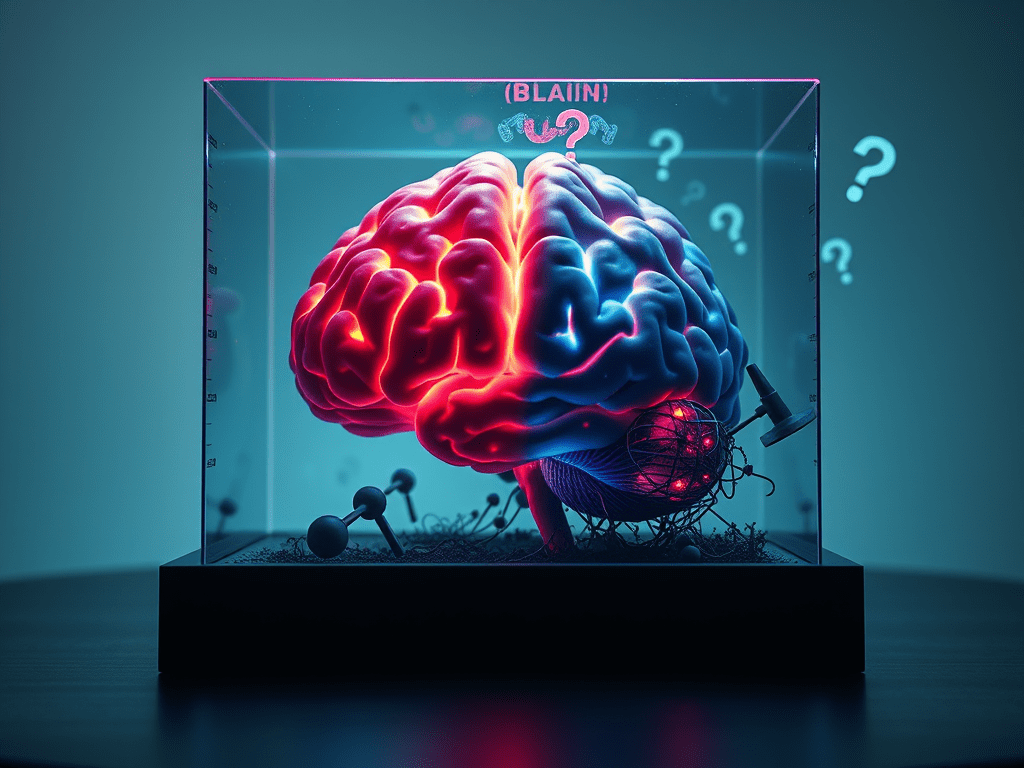
The author explores the complex nature of illness and self-doubt through the metaphor of Schrodinger’s brain, likening their symptoms to being simultaneously real and unreal. This internal struggle involves battling a critical inner voice, “Joyce,” and the challenge of seeking validation amidst fluctuating health. The journey highlights the quest for real answers and relief. Continue reading
Ehlers Danlos Syndrome, Health and Healing, Protyus Quest for Care, Rare Diagnoses, Social Issues, Uncategorized, Wealthcareadvice, anthropology, autoethnography, body, communication, community, content warning, EDS, Ehlers Danlos Syndrome, family, Free, headaches, health, healthcare, help, journal, life, lifestyle, me too, Medical, Medicine, Mental Health, multiple sclerosis, neuropathy, no paywalls, outreach, pain, personal truth, perspective, psychology, regimen, resources, schrodinger, self help, self improvement, sociology, struggle, survivor, symptoms, therapy, trigger warning, Wealthcare, Zebra -
25) My Gender

Protyus A. Gendher’s poem “My Gender” explores the complexities of gender identity through vivid imagery and personal experiences. It reflects on themes of personal struggle, societal expectations, and emotional growth. Gendher illustrates gender as a multifaceted journey filled with chaos, joy, trauma, and resilience, emphasizing self-acceptance and individuality. Continue reading
Conformity and Control, cult of the ego, cycle breaking, Erasing The Silence, Poetry, Social Issues, Uncategorizedacceptance, advice, authenticity, autoethnography, autonomy, becoming, belonging, coming of age, communication, community, content warning, expression, family, Free, gender, gender roles, genuine, health, help, human, humanness, identity, journal, lgbt, life, me too, no paywalls, outreach, personal truth, perspective, Poetry, raw, resources, role behavior, self, self acceptance, self care, self help, self improvement, self love, self worth, struggle, survivor, therapy, trans, trans rights, trigger warning, truth, understanding, vulnerable -
24) It’s Ok

The content explores the complexities of grief through a reflective lens. It emphasizes that it’s acceptable to experience various emotions during mourning, highlighting the notion that one can feel both okay and not okay simultaneously. The author encourages self-acceptance and underscores the importance of personal healing journeys. Continue reading
advice, anthropology, authenticity, autoethnography, communication, community, connection, content warning, family, Free, grief, grieving, healing, health, help, its ok, journal, life, losing people, loss, loved ones, me too, Mental Health, moving on, no paywalls, outreach, personal truth, perspective, poem, Poetry, psychology, recovery, resources, script, script theory, self help, self improvement, struggle, suicide, survivor, therapy, trauma, trigger warning -
Zebra Files 13) Why Blog About It?

The author blogs about their medical journey for three main reasons: to process and analyze experiences, to create a searchable record of symptoms and illness progression, and to emphasize the importance of representation and visibility for shared experiences. Blogging fosters community and encourages open conversations about health struggles. Continue reading
cycle breaking, Ehlers Danlos Syndrome, Health and Healing, Protyus Quest for Care, Rare Diagnoses, Social Issues, Uncategorized, Wealthcareadvice, anthropology, autoethnography, blog, communication, community, content warning, conversation, EDS, family, Free, health, healthcare, help, hoofbeats, Invisible, journal, life, lifestyle, me too, Medicine, Mental Health, narrative, no paywalls, outreach, personal truth, perspective, protyusagendher, psychology, records, representation, resources, script theory, self help, self improvement, social change, sociology, speaking up, struggle, survivor, therapy, trigger warning, visibility, Wealthcare, Zebra
Recent Posts
- Relational Field Theory -How Survivor Literacy Transforms the Future: From Rupture to Regeneration
 Relational Field Theory How Survivor Literacy Transforms the Future: From Rupture to Regeneration Communities often imagine healing as a return… Read more: Relational Field Theory -How Survivor Literacy Transforms the Future: From Rupture to Regeneration
 - Relational Field Theory – The Trauma of Treating Communal Wounds as Personal Ones
 The text discusses the detrimental effects of misattributing communal wounds as personal failures, leading to a secondary trauma. It emphasizes that this misinterpretation distorts individual identity and creates chronic shame. Healing requires communities to acknowledge collective wounds and facilitate survivor-oriented narratives, fostering recognition, accountability, and communal repair for genuine recovery.
 - Relational Field Theory -The Survivor‑Literate Community: A Vision for What Comes After Repair
 Survivor-literate communities view healing as the start of a transformative journey rather than an endpoint. They prioritize truth, support survivors as cultural guides, and embrace accountability as a shared practice. These communities cultivate resilience, vulnerability, and collective healing, creating environments for deeper relationships and regeneration from past wounds.
 - Relational Field Theory – What Communities Must Learn to Become Survivor‑Literate
 Communities must cultivate survivor literacy to effectively interpret and respond to harm. This entails recognizing that survivors signal impact, understanding that harm is relational, embracing transparency over silence, and promoting accountability as repair. Survivor literacy is a collective responsibility, pivotal for community resilience, safety, and sustainable growth.
 - Relational Field Theory -Why Survivor Literacy Matters for Healing Communal Wounds
 Survivor literacy is crucial for addressing communal wounds, distinguishing between individual and collective trauma. It helps identify hidden systemic failures, reframes narratives away from personal flaws, and fosters communal healing through shared understanding and responsibility. By transforming suffering into knowledge, survivor literacy empowers communities to heal and prevent repeating past harm.
 - Relational Field Theory – How to Recognize When a Wound Belongs to the Field, Not the Self
 Relational Field Theory emphasizes distinguishing personal wounds from collective ones. Symptoms include disproportionate emotional responses, ancient feelings of shame, narrative collapse, intense bodily reactions, misplaced guilt, and lack of healing through personal efforts. Recognizing the wound’s true scale allows individuals to disengage from unresolvable battles and find clarity and healing.
 - Relational Field Theory – Returning the Wound to the Field
 The content discusses Relational Field Theory, emphasizing that personal wounds may stem from collective experiences rather than individual failings. Healing involves recognizing and returning the wound to the communal field, understanding its structural origins, and reshaping one’s narrative. This process fosters recovery, allowing individuals to reclaim their true selves and shift their perspective on pain and identity.
 - Relational Field Theory -Personal Failure as Field Indicator
 Relational Field Theory posits that feelings of personal failure may not indicate individual inadequacy but suggest a collective wound. Sensitive individuals often detect systemic ruptures and misattribution of blame. Healing occurs when one recognizes these wounds are broader than personal experiences, allowing for clarity and a balanced perspective on the situation.
 - Relational Field Theory – The Collective Wound Cannot Be Resolved by an Individual
 The text discusses the concept of collective wounds that cannot be resolved individually. It highlights how societal, cultural, and structural issues affect sensitive individuals who mistakenly internalize the blame for larger problems. True healing requires recognition and communal support rather than personal efforts, as collective wounds need to be acknowledged and shared to heal effectively.
 - Relational Field Theory – The Greatest Gift He Never Gave Me
 The author reflects on the profound impact of Charlie Love, an influential figure in their life, who represented permanence and connection. Although he never gifted a promised pineapple plant, this unfulfilled promise became an enduring symbol of their relationship. The real gift was the shared experiences and stories that continued to resonate after his passing.
 - Relational Field Theory -Hau as Plurallility Activation
 Hau is an influential force beyond the spirit of the gift, activating relational fields that expand identities and connections. The strongest hau arises from unfulfilled gifts, which create lasting connections and open portals to deeper relational contexts. This exploration reveals how hau binds individuals to people and places not yet experienced, enhancing communal identity.
 - Relational Field Theory – Plurallile Profile: Charlie Love (WWCC Rapa Nui)
 Charlie Love is a cultural conduit embodying ancestral knowledge and continuity through practice and storytelling. His relational approach fosters communal learning and participation, allowing cultural knowledge to flourish without hierarchy. While his deep-rootedness can lead to inflexibility, his role stabilizes tradition and keeps connections to land and lineage alive.
 - Relational Field Theory – Shadow Form as System Diagnostic
 The shadow form in relational field theory highlights distortions in systems affecting individuals. It signifies the pressure points showing where a system over-extracts, revealing structural failures. Sensitive individuals often exhibit shadows first, indicating environmental dysfunctions. When systems stabilize, shadows dissolve, reflecting the dynamic nature of relationships rather than personal deficiencies.
 - Relational Field Theory – Plurallile Profile: Protyus A. Gendher
 Protyus A. Gendher embodies Relational Field Theory as a phase-shifter, altering environments and facilitating connections across diverse languages and disciplines. Their generative presence cultivates communal agency by transforming individual experiences into collective structures, though they risk self-erasure under pressure. Protyus ultimately reveals hidden patterns, fostering emergent possibilities.
 - Relational Field Theory –
 Allison Quaggin exemplifies a precise and analytical presence in her field, characterized by methodological acuity and intellectual clarity. She organizes complexity by emphasizing structure and evidence, fostering reliable and thoughtful interactions. However, her intensity may come across as cold, potentially limiting emotional nuance and relational warmth.
Newsletter
Make a one-time donation
Make a monthly donation
Choose an amount
Or enter a custom amount
Your contribution is appreciated.
Your contribution is appreciated.
DonateDonate monthly Survivor Literacy