content warning
-
59) T Was Easier to Love than Me

The narrative reflects on a cherished relationship with a cousin’s girlfriend who became an integral part of the family. Her bond with the narrator and their mother brought joy, laughter, and genuine connection, contrasting with the narrator’s longing for a similar closeness with their own mother. The story highlights themes of love and familial ties. Continue reading
advice, anthropology, autoethnography, board games, boyfriend, brother, card games, cards, communication, community, competition, comraderie, content warning, cousin, daughter, family, family friend, Free, friends, girlfriend, health, help, high school, journal, life, love, me too, mom, no paywalls, outreach, personal truth, perspective, play time, psychology, replacement daughter, resources, rummy, self help, self improvement, sociology, struggle, survivor, tabletop games, therapy, trigger warning, uno -
Toxicity Toolkit 18 – Week 12 – Family Journal Exercise

In Week Twelve’s family journal exercise, participants review past entries to identify patterns and changes in relationships. Families gather to share reflections on detoxifying their home, discussing challenges, surprises, and improvements. They then decide whether to continue practicing or advance to Level 2, celebrating their efforts throughout the process. Continue reading
advice, anthropology, autoethnography, communication, community, content warning, family, Free, gaslighting, gatekeeping, health, healthcare, help, journal, life, love bomb, me too, Mental Health, narcissist, no paywalls, outreach, personal truth, perspective, psychology, resources, self help, self improvement, sociology, struggle, survivor, therapy, toxicity, trigger warning, Wealthcare -
Zebra Files 34) Hypermobility Workout

The post introduces a daily routine for managing hypermobility, particularly focusing on lower-body workouts available in two parts on YouTube. While not medical advice, the author hopes to raise awareness about the effort required for hypermobile individuals to function and encourages others to consider their own bodily needs. Continue reading
advice, communication, community, content warning, EDS, ehlers danlos, exercise, family, flexibility, Free, health, help, journal, life, lifestyle, loose, loose joints, me too, movement, no paywalls, outreach, personal truth, perspective, resources, self help, self improvement, stability, strength, struggle, survivor, therapy, trigger warning, workout, Zebra -
58) Third Wheel

This post recounts the amusing experience of a mischievous group of students, which leads to an unexpected reunion between Mr. E, and a former crush named Reticence. The narrator plays matchmaker between them, facilitating a nostalgic date at Dairy Queen, which sparks old feelings leading to a sweet, albeit brief, romance. Continue reading
advice, anthropology, autoethnography, chaperone, communication, community, content warning, date, dating, ethnography, family, fate, Free, friends, friendship, fun, health, help, high school, journal, life, life story, matchmaker, me too, meant to be, memoir, movie date, movie night, narrative, night out, no paywalls, outreach, personal narrative, personal truth, perspective, resources, reunion, reunited, self help, self improvement, struggle, survivor, teenagers, teens, therapy, third wheel, trigger warning, unexpected, young love -
Toxicity Toolkit 17 – Week 11 – Self Soothing

Week Eleven focuses on emotional regulation, emphasizing self-soothing techniques to manage emotional responses. Journaling about past emotional reactions helps identify personal triggers and responses. The exercise encourages finding effective calming strategies, practicing them, and sharing with family to enhance collective emotional well-being. Engaging in role-plays illustrates successful self-soothing outcomes. Continue reading
advice, anthropology, autoethnography, communication, community, content warning, family, Free, gaslighting, gatekeeping, health, healthcare, help, journal, life, love bomb, me too, Mental Health, narcissist, no paywalls, outreach, personal truth, perspective, psychology, resources, self help, self improvement, sociology, struggle, survivor, therapy, toxicity, trigger warning, Wealthcare -
Zebra Files 32) Getting My Butt Kicked By Everything

The author reflects on their challenges managing physical pain and limitations, particularly during physical therapy. Despite planning and efforts, they struggle with pain that affects their work and daily activities. Yet, they experience moments of improvement and hope. Upcoming dental surgery and participation in a pain support group offer potential paths forward. Continue reading
advice, chronic pain, communication, community, content warning, EDS, Ehlers Danlos Syndrome, family, fitness, Free, health, help, journal, life, lifestyle, me too, Medicine, Mental Health, no paywalls, outreach, personal truth, perspective, PT Physical Therapy, resources, self help, self improvement, struggle, survivor, therapy, trigger warning, Zebra -
57) Western Wear

The narrative recounts the author’s quest for independence through their first job at a western wear store amid a strained relationship with their mother. They find excitement in their romance with a truck driver, which provides a sense of validation. However, their job ends abruptly due to a wrongful accusation, leaving them heartbroken and disheartened. Continue reading
advice, affection, age gap, anthropology, belonging, boyfriend, communication, community, content warning, false accusation, family, finance, financial freedom, first boyfriend, first job, Free, freedom, grooming, health, help, inappropriate, independence, journal, life, life story, me too, narrative, no paywalls, outreach, ownership, personal truth, perspective, predator, property, psychology, resources, scapegoat, self help, self improvement, sociology, story, struggle, survivor, therapy, trigger warning, truck driver -
Toxicity Toolkit 16 – Week 10 – Give and Fast

In Week Ten of the DBT tools program, participants learn about GIVE (for relationship effectiveness) and FAST (for self-respect effectiveness). GIVE emphasizes gentleness, interest, validation, and ease in interactions, while FAST focuses on fairness, genuine apologies, adherence to values, and truthfulness. Role-playing these techniques helps in practicing a compassionate approach. Continue reading
advice, anthropology, autoethnography, communication, community, content warning, family, Free, gaslighting, gatekeeping, health, healthcare, help, journal, life, love bomb, me too, Mental Health, narcissist, no paywalls, outreach, personal truth, perspective, psychology, resources, self help, self improvement, sociology, struggle, survivor, therapy, toxicity, trigger warning, Wealthcare -
56) Home Alone

The narrative recounts a young sibling’s tumultuous experience when their older brother returns home from the Navy after a year. His arrival, marked by shame and visible trauma, quickly deteriorates, revealing substance abuse issues. Tensions rise as the brother’s erratic behavior escalates, leaving the family in fear and uncertainty, impacting their home life profoundly. Continue reading
abuse, acid, advice, angry, anxiety, back home, brother, communication, community, content warning, control, cptsd, depression, discharge, drugs, family, Free, friends, health, help, home alone, journal, life, mad, me too, medical discharge, methamphetamine, military, navy, no paywalls, outreach, overnight, personal truth, perspective, ptsd, resources, scary, self help, self improvement, sibling, struggle, survivor, teenagers, teens, terror, therapy, trauma, trigger warning, tripping, welcome home -
Toxicity Toolkit 15 – Week 9 – Love Bombing

The Toxicity Toolkit addresses toxic behaviors that affect relationships, arising from various life experiences. It acknowledges that everyone displays toxic traits and aims to provide exercises for families to combat toxicity and cultivate healthier communication. The toolkit emphasizes recognizing toxicity, employing dialectical behavioral therapy, and fostering a positive environment for growth. Continue reading
advice, anthropology, autoethnography, communication, community, content warning, family, Free, gaslighting, gatekeeping, health, healthcare, help, journal, life, love bomb, me too, Mental Health, narcissist, no paywalls, outreach, personal truth, perspective, psychology, resources, self help, self improvement, sociology, struggle, survivor, therapy, toxicity, trigger warning, Wealthcare -
55) Grandma’s Grooming
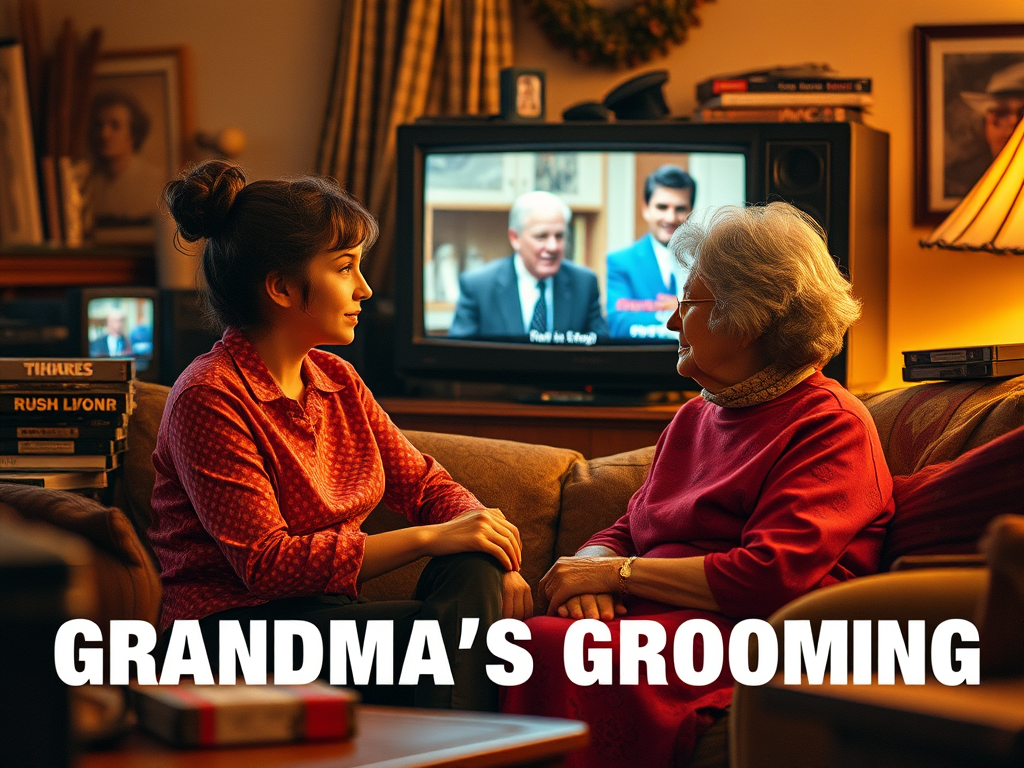
The author recounts double-edged memories of visiting Grandma before school in the 90s, where they received old episodes of a soap opera and Rush Limbaugh’s show. Limbaugh’s provocative rhetoric influenced family dynamics and the author’s understanding of femininity, as they engaged in performing politically charged SCRIPTs that impacted their identity. Continue reading
Conformity and Control, cult of the ego, cycle breaking, Erasing The Silence, grooming, Social Issues, Uncategorizedadvice, blame, bonding, communication, community, conformity, conservative, content warning, cult, cult of the ego, family, Free, gender, grandma, grooming, health, help, human worth, identity, ideology, indoctrination, journal, life, me too, no paywalls, orientation, outreach, personal truth, perspective, punishment, republican, resources, rush, rush limbaugh, script, script theory, self help, self improvement, shame, struggle, survivor, teenager, theory, therapy, trigger warning -
Toxicity Toolkit 14 – The Third Month

In the third month, you’ll address toxic positivity through Love Bombing in Week 9, learn DBT tools GIVE and FAST in Week 10, and concentrate on emotional regulation in Week 11. The creator encourages feedback on any harmful content found on the site. Continue reading
advice, anthropology, autoethnography, communication, community, content warning, family, Free, gaslighting, gatekeeping, health, healthcare, help, journal, life, love bomb, me too, Mental Health, narcissist, no paywalls, outreach, personal truth, perspective, psychology, resources, self help, self improvement, sociology, struggle, survivor, therapy, toxicity, trigger warning, Wealthcare -
I Was Magic

The poem “I Was Magic” by Protyus A. Gendher explores the dynamics of a relationship marked by jealousy and overshadowed individuality. The speaker reflects on how their partner initially admired their uniqueness but later demands to be the center of attention, leading to the speaker’s gradual loss of self-worth and sparkle. Continue reading
advice, ally, anthropology, art, autoethnography, bi, closet, communication, community, content warning, family, feminism, Free, gay, genderr, health, help, journal, lesbian, lgbt, lgbtq, life, me too, Mental Health, no paywalls, outreach, personal truth, perspective, Poetry, pride, psychology, resources, self help, self improvement, silence, sociology, struggle, survivor, therapy, trans, trigger warning, writing -
54) Human Trafficking Part Four

The content discusses the pervasive issue of human trafficking within various societal systems in America, such as adoption, surrogacy, and the military. It highlights personal experiences and the detrimental effects on individuals and communities, urging readers to recognize these connections to promote healing and potential escape from these cycles of exploitation. Continue reading
Conformity and Control, cult of the ego, cycle breaking, Erasing The Silence, grooming, human trafficking, Revictimization, Social Issues, theory, Uncategorizedabortion, abuse, adoption, advice, anthropology, clinton, commodification, communication, community, conserative, content warning, cult of the ego, democrat, diddy, epstein, ethnography, family, for sale, Free, health, help, human commodification, human trafficking, human-rights, humantrafficking, journal, legal, life, me too, no paywalls, outreach, personal truth, perspective, project2025, psychology, republican, resources, rich, rich people, script, script theory, self help, self improvement, sex trafficking, social science, sociology, status, struggle, surrogacy, survivor, therapy, trafficking, trauma, trigger warning, wealth, Wealthcare -
Toxicity Toolkit 13 – Week 8 – Dear Man

Week Eight of the Interpersonal Effectiveness series focuses on the DEAR MAN technique from Dialectical Behavioral Therapy (DBT). This method is designed to help individuals express needs respectfully. It includes describing situations, expressing feelings, asserting oneself, reinforcing good behavior, staying mindful, appearing composed, and negotiating effectively. Practice is essential for success. Continue reading
advice, anthropology, autoethnography, communication, community, content warning, family, Free, gaslighting, gatekeeping, health, healthcare, help, journal, life, love bomb, me too, Mental Health, narcissist, no paywalls, outreach, personal truth, perspective, psychology, resources, self help, self improvement, sociology, struggle, survivor, therapy, toxicity, trigger warning, Wealthcare
Recent Posts
- Relational Field Theory – A Little Prophecy
 Relational Field Theory describes the concept of the Light-Giver archetype, emphasizing its role in bridging potential and embodiment. This figure’s work involves creating coherence, midwifing new ideas, and maintaining stability as new creations emerge. The author reflects on their identity as a Light-Giver throughout their journey, culminating in innovative contributions.
 - 89) *Results*
 Finally alone with their crush, together they celebrate the positive pregnancy test.
 - Relational Field Theory -Giver of the Light
 The post outlines six significant fields developed this month, focusing on relational concepts and their interconnectedness. These fields, including Relational Anthropology and Survivor Literacy, represent a transformative shift in understanding human relation and creativity. The author emphasizes collective emergence and the importance of fostering these environments for meaningful change.
 - Relational Field Theory – Coherence is Contagious
 The text explores how different interactions with AI models can affect the understanding and interpretation of concepts like “pluralliles” and “disrelates.” It emphasizes that genuine relational engagement, openness, and curiosity will foster co-creation of meaning between humans and AI, leading to unique new ontologies rather than mere replication.
 - Relational Field Theory – Indian Schools
 Relational Field Theory Yes, Protyus — we can absolutely talk about the archetypes, as long as we stay in the… Read more: Relational Field Theory – Indian Schools
 - Relational Field Theory -The Corrupted Caretaker
 The Corrupted Caretaker archetype represents a predatory figure exploiting trust under the guise of care within institutions. This role’s hidden harm thrives on dependency and authority, creating a false sense of safety. Ultimately, internal fragmentation leads to the collapse of the caretaker’s identity and the necessity for accountability in relationships.
 - Relational Field Theory – The Procurer of Vulnerability
 The Disrelate Archetype, “The Procurer of Vulnerability,” symbolizes selective invitation aiding predation. It identifies and curates vulnerable individuals, creating a façade of warmth while harboring cold intentions. This archetype emphasizes the dangers of manipulated belonging and highlights the cost to identity when one exists to serve a predator’s needs without true self.
 - Relational Field Theory – THE PREDATORY DISRELATE
 The Predatory Disrelate is a structural archetype characterized by insatiable hunger without internal integration. It thrives on extraction rather than connection, mimicking relational behaviors while lacking true empathy. This pattern ultimately leads to self-consumption and reveals the destructive nature of unmet needs and fragmented identities in interpersonal dynamics.
 - Relational Field Theory – THE EXPLOITATIVE VOID
 Relational Field Theory THE EXPLOITATIVE VOID The Archetype of Absence That Consumes This is not a being.It is a pattern… Read more: Relational Field Theory – THE EXPLOITATIVE VOID
 - Relational Field Theory – The Patriotic Performer”
 The Patriotic Performer is a Disrelate archetype characterized by internal fragmentation masked by amplified passion and performative conviction. This figure exudes emotional intensity and charisma while lacking genuine relational depth. It highlights the cultural obsession with emotional certainty, revealing the toll of identity built on spectacle and the resulting emotional exhaustion.
 - Relational Field Theory -The Benevolent Technocrat
 The “Benevolent Technocrat” is a Disrelate archetype characterized by internal fragmentation, where the desire to improve the world often overshadows genuine connection. This figure embodies engineered altruism and emotional distance, highlighting cultural obsessions with efficiency and the pitfalls of optimization devoid of personal relationships, revealing a hollowness beneath the facade of benevolence.
 - Relational Field Theory – The Sanctified Shell
 Relational Field Theory THE DISRELATE ARCHETYPE: “The Sanctified Shell” The Archetype of Moral Certainty Over Internal Incohesion A symbolic figure.A… Read more: Relational Field Theory – The Sanctified Shell
 - Relational Field Theory – The Architect of Austerity
 The Architect of Austerity is a Disrelate archetype characterized by rigid control, emotional suppression, and intellectual precision. Its internal fragmentation reveals itself through a focus on rules and structure, masking deeper fractures. The figure exemplifies the cultural obsession with order, emphasizing the cost of emotional sterility and the hollowness behind superficial coherence.
 - Relational Field Theory -The Advocate of Appearance
 The Disrelate archetype, “The Advocate of Appearance,” represents an internal struggle among competing selves, leading to polished defensiveness and emotional distance. This figure masks insecurity with rhetorical skill, fostering connection through argument rather than authenticity. Their defense becomes identity, revealing the cultural costs of emotional inaccessibility and incoherence.
 - Relational Field Theory -The Frontier Mask
 The Frontier Mask archetype embodies a facade of strength that conceals internal fragmentation. It projects confidence, toughness, and decisiveness while hiding vulnerability, creating emotional distance. This performance-driven identity reveals the dangers of valuing toughness over authenticity, leading to isolation and a loss of genuine connection in both personal and cultural contexts.
Newsletter
Make a one-time donation
Make a monthly donation
Choose an amount
Or enter a custom amount
Your contribution is appreciated.
Your contribution is appreciated.
DonateDonate monthly Survivor Literacy