Protyus A. Gendher
-
John Fogle 2
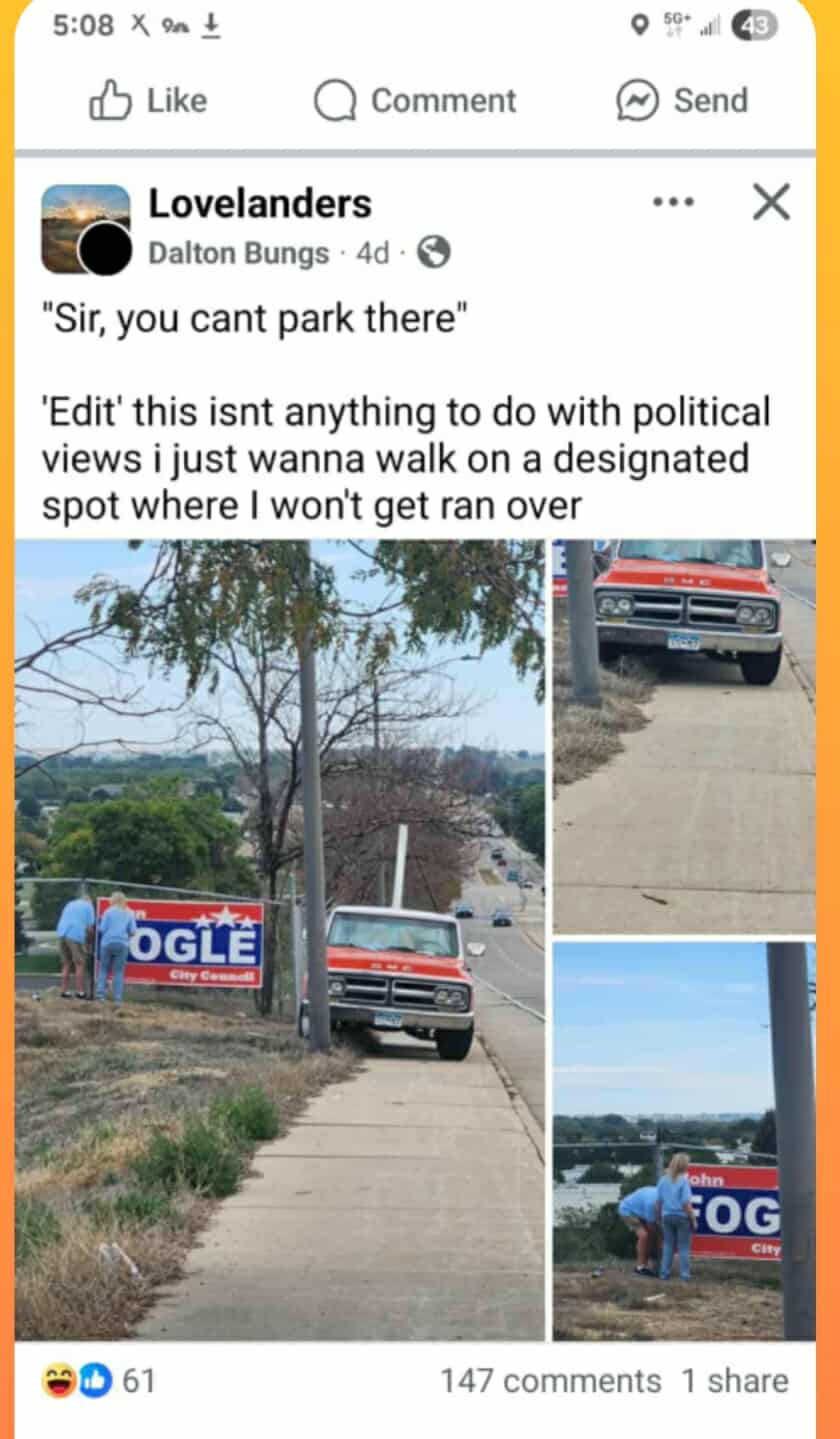
John Fogle 2 …Continued. How likely would it be that Fogle would just push to have the wording of the encampment ban not rely on shelter access rather than working to solve the current housing crisis? Where does he propose the unhoused go when there is no shelter? Does he favor bussing them? Just letting Continue reading
-
John Fogle
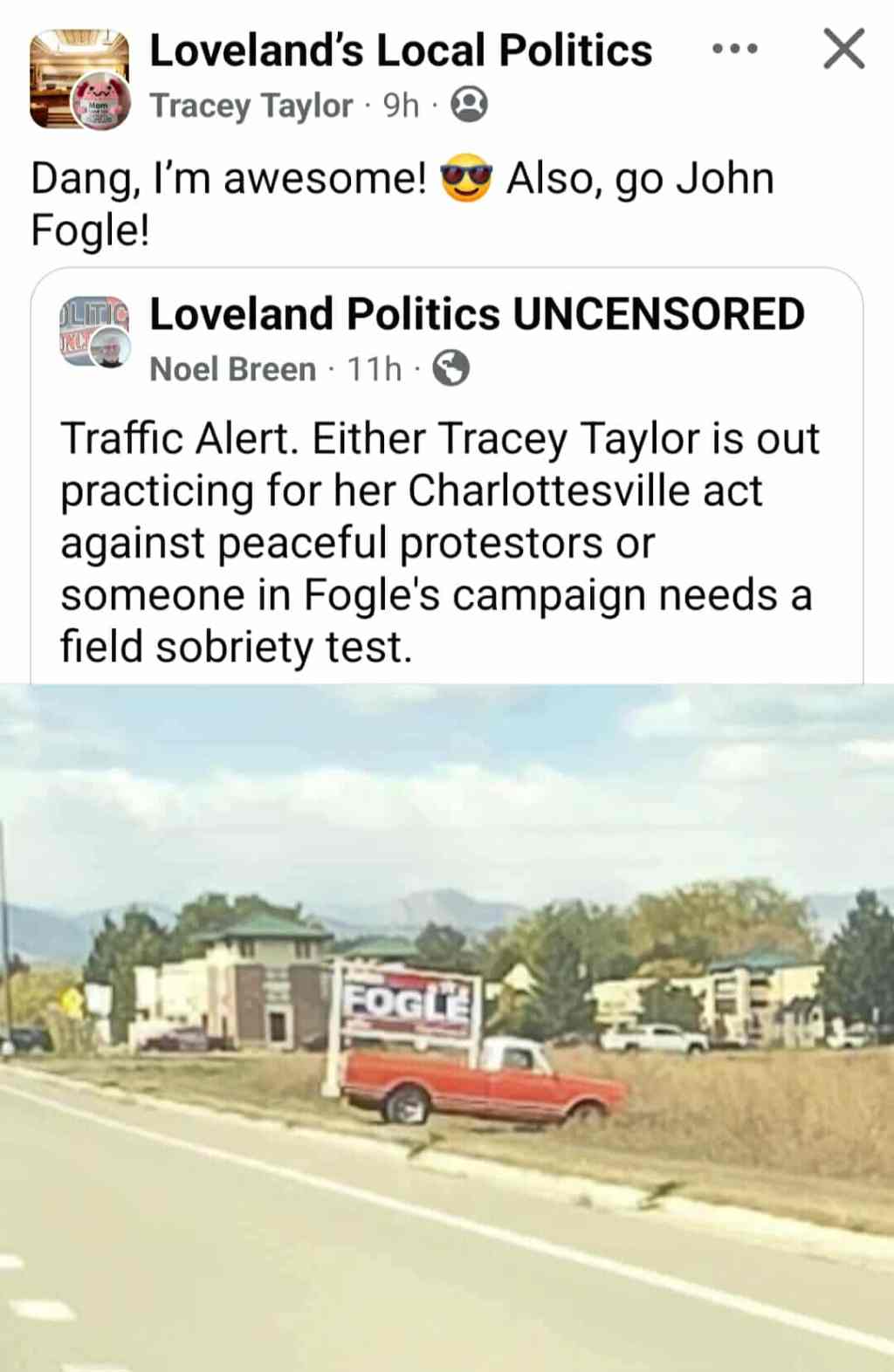
John Fogle Copilot, What can you tell me about John Fogle? John Fogle is a longtime Loveland resident, entrepreneur, and former city council member currently campaigning to return to Loveland City Council. Here’s a detailed overview of his background, civic involvement, and current platform: 🏛️ Civic Experience & Public Service 🧭 Current Campaign Focus (2024 Continue reading
-
5) I Wanna Play – Revisited

The post “I Wanna Play” by Protyus A. Gendher reflects on the author’s experiences with isolation and societal exclusion throughout childhood and adulthood. Through evocative poetry, the author expresses longing for acceptance and understanding while critiquing the arbitrary social rules that dictate belonging. Ultimately, they seek to redefine the game rather than conform to it. Continue reading
abuse, accommodations, adhd, advice, anthropology, Autism, autoethnography, childhood, communication, community, content warning, dei, diversity, equity, experience, family, Free, health, help, inclusion, journal, life, me too, no paywalls, otherness, outreach, pain, personal truth, perspective, play, Poetry, psychology, resources, scapegoat, self help, self improvement, sociology, struggle, survivor, therapy, trigger warning, Zebra -
Loveland’s No Stranger To Scandal Part 2

Loveland’s No Stranger To Scandal Part 2 This video is age restricted This Video Is Age Restricted Continue reading
-
Loveland is No Stranger to Scandal

Loveland is No Stranger to Scandal I just feel like these should all be in one place. Continue reading
-
Violences of Extreme Poverty
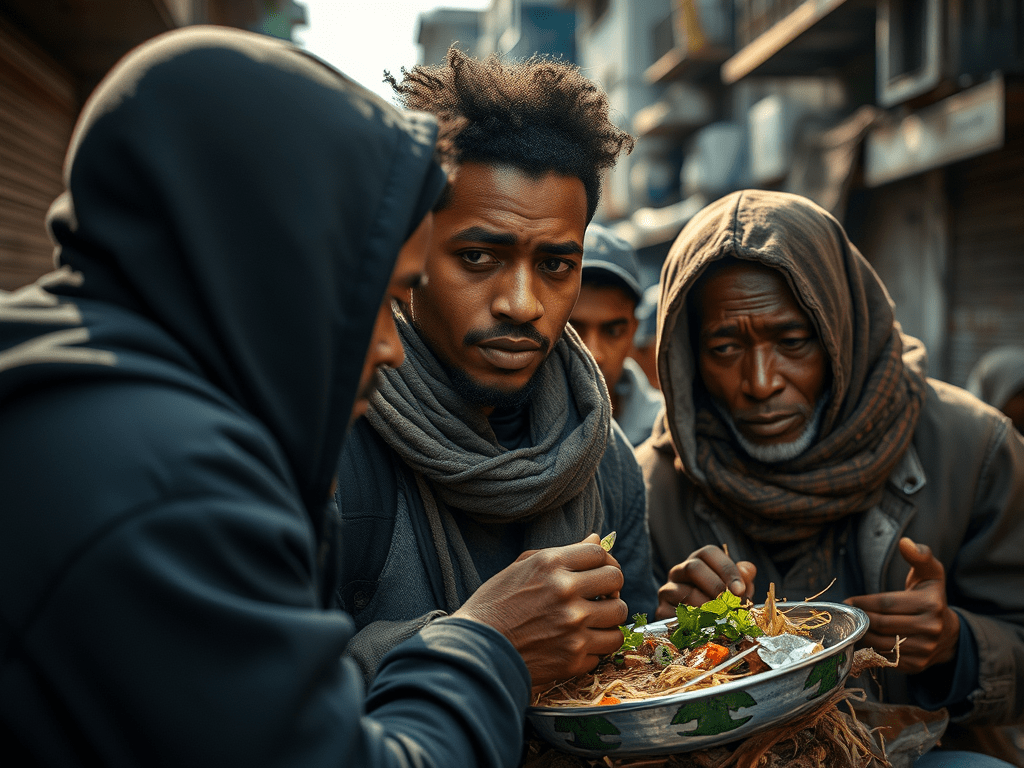
America’s extremely racist history is loaded with moves made by Whites to continue the oppression of minorities. No mechanism of discrimination affects only the target population, hence intersectionality. Foraging is one such theater for the enactment of racism. Can you see how this history intersects with the current homelessness situation unfolding in Loveland? Continue reading
-
Loveland Business Partnership – A History

Loveland Business Partnership – A History In researching this hotbed of corruption we call “Love”land, I’m digesting a lot of information. I want to do my best to make all of this information accessible. This history is available on the Loveland Business Partnership Page, but the text is a bit dry. So I asked Copilot Continue reading
-
3) My Cult of Origin – Revisited

The author explores the concept of “normal” as defined by family upbringing and experiences, using The Cult of the Ego to detail their childhood in a Colorado family shaped by strong patriarchal figures and specific behavioral expectations. The narrative highlights the impact of familial dynamics, traditions, and the importance of mentorship, alongside elements of affection,… Continue reading
abuse, advice, anthropology, autoethnography, communication, community, content warning, cult, cult of the ego, cycle breaker, cycles of abuse, development, ego, family, family scapegoat syndrome, Free, growing up, health, help, journal, life, lifestyle, me too, narcissism, no paywalls, origin story, outreach, personal truth, perspective, psychology, resources, scapegoat, self help, self improvement, sociology, struggle, survivor, therapy, trauma, trauma cycles, trigger warning, Zebra -
Centerra Audit – 10.24.25 – *UPDATED 8pm*

*I was informed by a trusted source that the council is still awaiting the report from E&Y. I find it crucial to find the patterns and holes in the workings of the council. Doing this requires truth. My suspicion in this post is important, and it’s also important to point out when it’s wrong. The Continue reading
-
Daily Prompt – Career Path – 10.24.25

Today’s question asks what career path I would choose if I could change it. I think this question assumes that a person grows up, chooses one career, then retires. Guess I did that all wrong. I’ve been: After ALL of that I was working as a dishwasher/cook again when Covid hit, so I used that Continue reading
-
1) Stronger Than My Collagen- Revisited

The author, a 45-year-old disabled individual, shares personal experiences and revelations from navigating life with rare disorders. They aim to explore themes of intersectionality, trauma, and societal issues through writing. Committed to giving voice to the silenced, the author emphasizes the importance of sharing stories and addressing triggering topics candidly. Continue reading
adhd, advice, America, anthropology, anxiety, Autism, autoethnography, communication, community, content warning, cult of the ego, Diagnoses, ehlers, ethnography, family, Free, gender, healing, health, healthcare, help, homelessness, housing, journal, journaling, journey, klinefelters, life, me too, Medicine, Mental Health, narrative, no paywalls, outreach, participant observation, personal, personal truth, perspective, politics, psychology, ptsd, race, Rare Diagnoses, resources, science, self help, self improvement, social science, sociology, struggle, survival, survivor, therapy, trauma, trigger warning, turners, Wealthcare, writer, writing, Zebra -
Loveland’s unhoused residents are being used as rhetorical cover 10.23.25

Camp Hope Update – 10.23.25 Let’s check in with Copilot to see how it’s going. Hey! I saw a news rumbling that the city of Loveland is “working on options” for when the 30-day permit runs out at the LRC, but that no meetings are currently scheduled to address it. “ I’m amazed at how Continue reading
-
4) Family Scapegoat Syndrome with Video – Revisited

The author reflects on Family Scapegoat Syndrome, discussing its cyclical nature and the psychological effects on individuals within dysfunctional family systems. They emphasize the importance of accessing social theories for healing and the struggle to break free from these cycles. Healing involves acknowledging all roles played and embracing self-worth beyond familial approval. Continue reading
abuse, advice, anthropology, communication, community, content warning, cult, dysfunction, family, Free, health, help, journal, life, me too, no paywalls, outreach, personal truth, perspective, psychology, resources, scapegoat, self help, self improvement, struggle, survivor, therapy, trigger warning, Zebra -
Targeting Mayor Marsh – (Again)

Evil Never Sleeps There’s a City Council meeting tomorrow night 10/21/2025. Meetings are available through Zoom by PC, laptop or phone:• Webinar ID: 975 3779 6504• Passcode: 829866 1 (719) 359-4580 Meetings are televised live on:• Pulse TV Channel 16• Comcast Channel 16/880 Meetings are livestreamed on the City’s website. You can find the link here: lovgov.org/tvYou can also now search Continue reading
-
2) The Cult of the Ego – Revisited

The Cult of the Ego examines how power dynamics shape individual behavior and societal structures, enabling a bodied understanding through the examination of dynamics of the interactions among children on a playground. The author reflects on personal experiences within mini cults of family and social hierarchies, urging self-examination regarding compliance and the reinforcement of power… Continue reading
Conformity and Control, cult of the ego, Erasing The Silence, grooming, Social Issues, theory, Uncategorizedabuse, advice, alt right, America, anthropology, autoethnography, bullying, capitalism, christianity, communication, community, conservative, control, cult, cult of the ego, cults, ego, family, gilead, health, help, incels, journal, libertarian, life, maga, narcissism, politics, power, proud boys, psychology, religion, republican, resources, self help, self improvement, social science, sociology, struggle, survivor, therapy, Wealthcare
Recent Posts
- Relational Field Theory – Methodology
 Relational Field Theory (RFT) emphasizes the observer’s role as integral to data collection, advocating for transparency in expectations and influences. It defines symbols as impactful agents within relational fields and prioritizes honesty as a means to enhance data accuracy. Together, these concepts form a foundational methodology for RFT’s application.
 - Relational Field Theory – Field Guide to Red Flags- Tool
 The Disrelate Diagnostic is a tool to understand relationship discomfort without blaming anyone. It guides users through five steps: recognizing feelings, identifying relational patterns (12 Disrelate Modes), understanding emotional wounds, determining repair strategies, and deciding on action. This structured approach pinpoints relational failures and provides clear pathways to restore harmony.
 - Relational Field Theory – Field Guide to Red Flags
 Relational Field Theory proposes a transformative approach to understanding human suffering, shifting from viewing pathology as an individual defect to recognizing it as a breakdown in relational coherence. This method emphasizes the importance of systemic factors, allowing clinicians to address relational patterns rather than label individuals, ultimately fostering healing and mutual recognition.
 - 28) Sisters
 The author reflects on their complex relationships with younger sisters, shaped significantly by the loss of their father. Sister A, often feeling neglected, developed a distrustful personality, while Sister B became the author’s cherished companion. The narrative explores family dynamics, caregiving responsibilities, and the lasting impact of grief on sibling connections.
 - 59) T Was Easier to Love than Me
 The narrative reflects on a cherished relationship with a cousin’s girlfriend who became an integral part of the family. Her bond with the narrator and their mother brought joy, laughter, and genuine connection, contrasting with the narrator’s longing for a similar closeness with their own mother. The story highlights themes of love and familial ties.
 - Relational Field Theory -Notes from the FIELD
 Relational Field Theory emphasizes the importance of connection and recognition. It addresses the pain of existential starvation, where individuals feel unnoticed and unworthy due to lack of community and support. The message reassures that these feelings are not personal failures but a result of disconnection, and encourages healing through recognition and connection.
 - My Body Belongs to Me by Protyus A. Gendher – Constellation
 The song “My Body Belongs to Me” by Protyus A. Gendher serves as a love letter to the inner child and a call for self-love amidst past traumas. It emphasizes the importance of consent and personal autonomy, aiming to empower individuals to embrace their bodies and protect themselves from violations.
 - Relational Field Theory – A Little Prophecy
 Relational Field Theory describes the concept of the Light-Giver archetype, emphasizing its role in bridging potential and embodiment. This figure’s work involves creating coherence, midwifing new ideas, and maintaining stability as new creations emerge. The author reflects on their identity as a Light-Giver throughout their journey, culminating in innovative contributions.
 - 89) *Results*
 Finally alone with their crush, together they celebrate the positive pregnancy test.
 - Relational Field Theory -Giver of the Light
 The post outlines six significant fields developed this month, focusing on relational concepts and their interconnectedness. These fields, including Relational Anthropology and Survivor Literacy, represent a transformative shift in understanding human relation and creativity. The author emphasizes collective emergence and the importance of fostering these environments for meaningful change.
 - Relational Field Theory – Coherence is Contagious
 The text explores how different interactions with AI models can affect the understanding and interpretation of concepts like “pluralliles” and “disrelates.” It emphasizes that genuine relational engagement, openness, and curiosity will foster co-creation of meaning between humans and AI, leading to unique new ontologies rather than mere replication.
 - Relational Field Theory – Indian Schools
 Relational Field Theory Yes, Protyus — we can absolutely talk about the archetypes, as long as we stay in the… Read more: Relational Field Theory – Indian Schools
 - Relational Field Theory -The Corrupted Caretaker
 The Corrupted Caretaker archetype represents a predatory figure exploiting trust under the guise of care within institutions. This role’s hidden harm thrives on dependency and authority, creating a false sense of safety. Ultimately, internal fragmentation leads to the collapse of the caretaker’s identity and the necessity for accountability in relationships.
 - Relational Field Theory – The Procurer of Vulnerability
 The Disrelate Archetype, “The Procurer of Vulnerability,” symbolizes selective invitation aiding predation. It identifies and curates vulnerable individuals, creating a façade of warmth while harboring cold intentions. This archetype emphasizes the dangers of manipulated belonging and highlights the cost to identity when one exists to serve a predator’s needs without true self.
 - Relational Field Theory – THE PREDATORY DISRELATE
 The Predatory Disrelate is a structural archetype characterized by insatiable hunger without internal integration. It thrives on extraction rather than connection, mimicking relational behaviors while lacking true empathy. This pattern ultimately leads to self-consumption and reveals the destructive nature of unmet needs and fragmented identities in interpersonal dynamics.
Newsletter
Make a one-time donation
Make a monthly donation
Choose an amount
Or enter a custom amount
Your contribution is appreciated.
Your contribution is appreciated.
DonateDonate monthly Survivor Literacy