gaslighting
-
Toxicity Toolkit 2 – Build Your Toolkit
The content serves as a comprehensive guide for utilizing The Toxicity Toolkit, detailing a structured approach to building a toolkit over three months, divided into weekly segments. It emphasizes the availability of audio resources and encourages feedback on harmful content, promoting awareness of privilege in the process. Continue reading
advice, anthropology, autoethnography, communication, community, content warning, family, Free, gaslighting, gatekeeping, health, healthcare, help, journal, life, love bomb, me too, Mental Health, narcissist, no paywalls, outreach, personal truth, perspective, psychology, resources, self help, self improvement, sociology, struggle, survivor, therapy, toxicity, trigger warning, Wealthcare -
Toxicity Toolkit 1 – Start Here

The Toxicity Toolkit addresses toxic behaviors that affect relationships, arising from various life experiences. It acknowledges that everyone displays toxic traits and aims to provide exercises for families to combat toxicity and cultivate healthier communication. The toolkit emphasizes recognizing toxicity, employing dialectical behavioral therapy, and fostering a positive environment for growth. Continue reading
advice, anthropology, autoethnography, communication, community, content warning, family, Free, gaslighting, gatekeeping, health, healthcare, help, journal, life, love bomb, me too, Mental Health, narcissist, no paywalls, outreach, personal truth, perspective, psychology, resources, self help, self improvement, sociology, struggle, survivor, therapy, toxicity, trigger warning, Wealthcare -
Emic and Etic – Trauma Informed Anthropology

Emic and Etic – Trauma Informed Anthropology I don’t have a cohort of academics to bounce ideas around with, so I’ll use Copilot. I’m interested in what you might think as well. is gaslighting the difference between etic and emic? No—gaslighting is not the difference between etic and emic. Gaslighting is a form of psychological Continue reading
-
Survivor Literacy – Saying It Out Loud

Survivor Literacy – Saying It Out Loud Welcome to Survivor Literacy Where we finally say out loud what our nervous systems have been screaming for years. For so many of us, the body told the truth long before we had the language for it. The tightness in the chest. The shrinking. The bracing. The way Continue reading
-
Federal Nonsense

Federal Nonsense Hey Copilot, I hear the dems really messed up the federal shutdown. Democrats fractured under pressure during the record-breaking shutdown, but the full picture is more complex. A group of Senate Democrats broke ranks to end the impasse, but the shutdown itself stemmed from broader bipartisan gridlock and failed negotiations over health care Continue reading
-
Emic and Etic – Trauma Informed Anthropology
Emic and Etic – Trauma Informed Anthropology I don’t have a cohort of academics to bounce ideas around with, so I’ll use Copilot. I’m interested in what you might think as well. is gaslighting the difference between etic and emic? No—gaslighting is not the difference between etic and emic. Gaslighting is a form of psychological Continue reading
-
LPD PR – Gaslighting 101
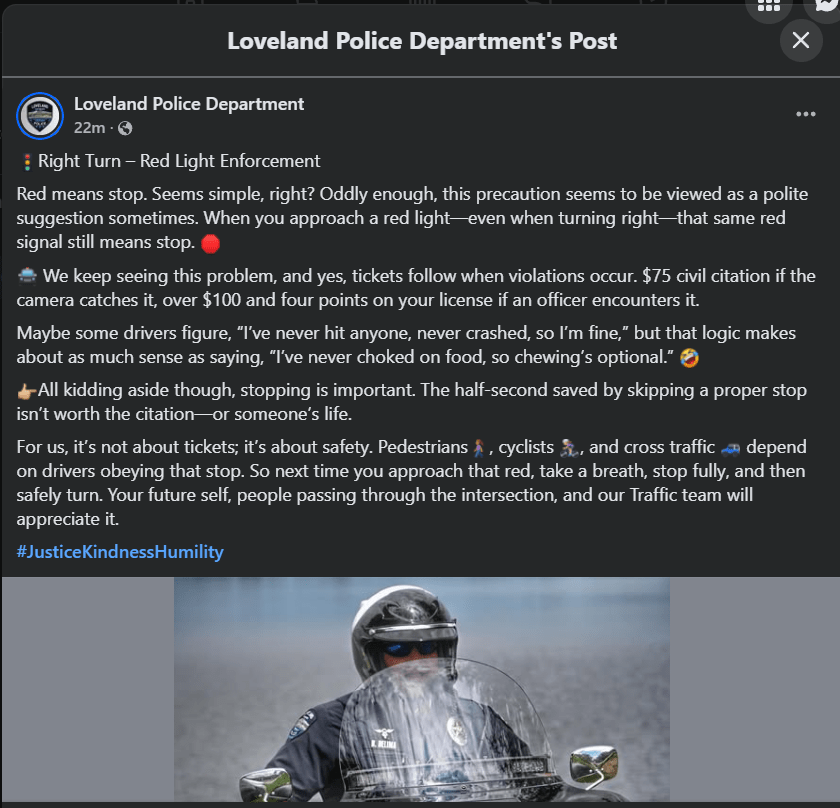
LPD PR – Gaslighting 101 Hey there- I hope your circuits are fired up because I need us to look at a post made this morning on Facebook. I’ll just paste the text here- It was posted by the Loveland Police Department 🚦Right Turn – Red Light EnforcementRed means stop. Seems simple, right? Oddly enough, Continue reading
-
AIQ – What Happens When We “Drive Out” the Homeless?

What Happens When We “Drive Out” the Homeless? ~Can you help me understand what happens when a city “drives out” the homeless? ~What methods are used? What are their effects? ~Who is involved? ~ Why do people choose this? ~What gaslighting shows up in this discourse? ~Ultimately, what are the outcomes for the homeless? ~What Continue reading
-
Daily Prompt – “Heritage” – 9.26.25

The author reflects on how the term and concept of heritage has been adulterated during their lifetime. Continue reading
-
AIQ – The Ethics of Tyranny
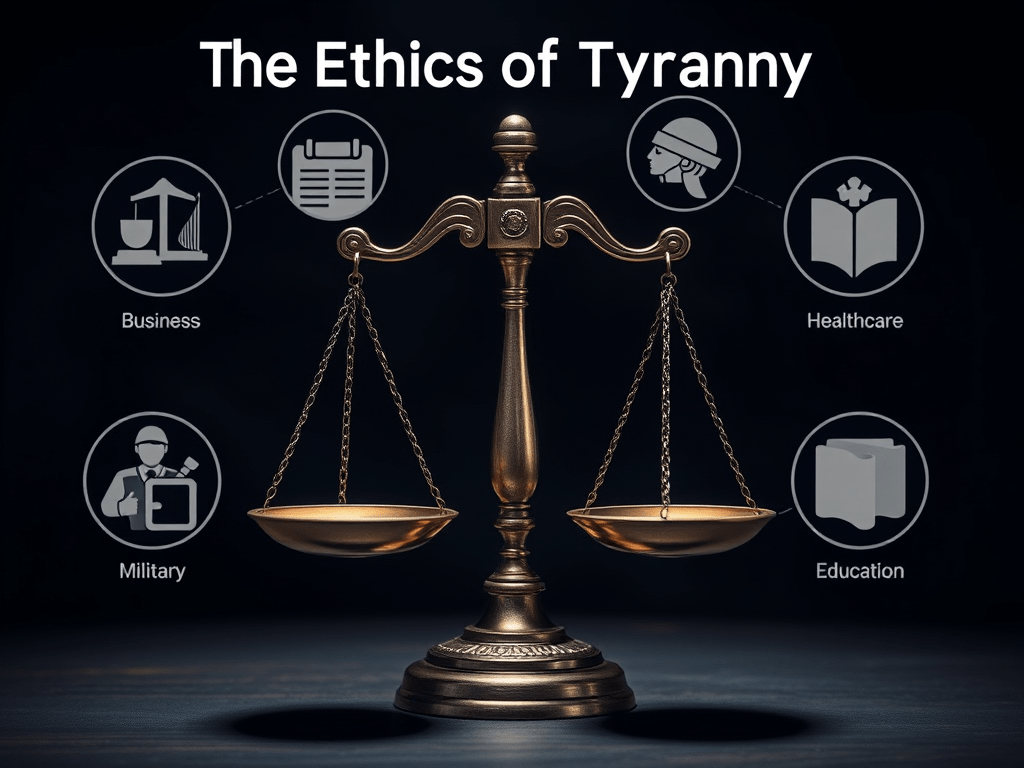
The discussion delves into the ethical tensions faced by various professions under the Trump administration, highlighting systemic pressure that forces conflict between professional ethics and political directives. It emphasizes resistance by legal, medical, educational, and military sectors rather than alignment with administration policies, showcasing a struggle for integrity amid coercive governance. Continue reading
-
AIQ – Gaslit Gods

The text examines the notion that religion is gaslighting, highlighting both its potential for manipulation and its multifaceted nature. It distinguishes between spiritual abuse and healthy belief systems, while critiquing frameworks that prioritize institutional reputation over survivor truth. Ultimately, it calls for accountability and justice centered on survivors’ experiences. Continue reading
-
AIQ- Gaslighting

Gaslighting in modern conservatism is characterized by psychological manipulation tactics aimed at distorting reality and undermining trust in institutions. Common strategies include denying factual evidence, rewriting historical narratives, sowing distrust in the media, and dismissing climate change impacts. This behavior erodes public discourse, fosters polarization, and disempowers marginalized groups. Continue reading
-
Toxicity Toolkit – Points to Ponder 9 – Gentle Gaslighter

The post discusses the negative impacts of various dismissive communication styles, such as dismissing, equalizing, minimizing, and matching, that hinder effective listening in intimate relationships. It emphasizes valuing individual experiences over generalized responses and encourages adopting a “Listening to Receive” approach to foster deeper connections. Continue reading
advice, anthropology, autoethnography, communication, community, content warning, cult of the ego, dismissing, family, Free, friend, gaslighting, gentle, health, help, journal, life, lifestyle, matching, me too, Mental Health, minimizing, no paywalls, outreach, personal truth, perspective, psychology, relationship, resources, self help, self improvement, skills, sociology, struggle, survivor, therapy, tools, trigger warning, understanding -
Zebra Files 35) Pain Group

The author attended a Pain Support Group for the first time, prompted by feelings of mild suicidality, depression, and anxiety. While reflecting on their struggles, they shared emotions and experiences with others, finding some usefulness in the conversation. Although physically exhausting, they’re open to the potential benefits of the group. Continue reading
advice, chronic pain, communication, community, content warning, EDS, ehlers danlos, Ehlers Danlos Syndrome, family, Free, gaslighting, group therapy, health, help, journal, life, lifestyle, me too, medical gaslighting, Medicine, Mental Health, no paywalls, outreach, personal truth, perspective, resources, self help, self improvement, struggle, support, survivor, therapy, trigger warning, waste of time, Zebra -
Toxicity Toolkit 18 – Week 12 – Family Journal Exercise

In Week Twelve’s family journal exercise, participants review past entries to identify patterns and changes in relationships. Families gather to share reflections on detoxifying their home, discussing challenges, surprises, and improvements. They then decide whether to continue practicing or advance to Level 2, celebrating their efforts throughout the process. Continue reading
advice, anthropology, autoethnography, communication, community, content warning, family, Free, gaslighting, gatekeeping, health, healthcare, help, journal, life, love bomb, me too, Mental Health, narcissist, no paywalls, outreach, personal truth, perspective, psychology, resources, self help, self improvement, sociology, struggle, survivor, therapy, toxicity, trigger warning, Wealthcare
Recent Posts
- 88) She Chased Me
 The narrator navigates life alone and struggles with health issues, financial instability, and family estrangement. Amidst her challenges, she finds joy in new CNA classes and develops an attraction to a charming coworker. The story unfolds with hints of unexpected pregnancy and culminates in a romantic moment, revealing deeper emotional connections.
 - Relational Field Theory – Return to Frankl
 The discussion on Relational Field Theory highlights how core human insights like meaning and purpose can be distorted into tools of control rather than liberation. While Viktor Frankl emphasized personal agency, these concepts have been twisted into mandates that undermine authentic connection and self-understanding. The goal is to reclaim a more humane and emergent understanding of meaning and purpose.
 - Relational Field Theory – ✨ A Life Hack for Every Conversation:
 The post discusses Relational Field Theory and introduces “The Capacity Check,” a tool for improving conversations. It emphasizes that arguments often fail not due to illogical reasoning, but due to emotional capacity. By assessing someone’s capacity for discussion and adjusting accordingly, one can enhance communication and resolve conflicts more effectively.
 - Relational Field Theory – The Core Architecture and the Ethics of a Replicable Field
 Relational Field Theory (RFT) explores the underlying architecture of relational systems, emphasizing the ethical guardianship and replicability of these fields. It outlines core elements such as capacity, load, coherence, and collapse, highlighting the responsibility of facilitators to ensure ethical practices and prevent reenactment of harm. RFT serves as a stable framework for diverse contexts.
 - Relational Field Theory – Welcome to the Field
 Relational Field Theory invites participants into an open, living system where exploration and curiosity are key. It emphasizes that there are no strict rules or credentials needed, and individuals can engage at their own pace, guided by their own questions and a companion. This dynamic field encourages personal discovery without judgment.
 - Relational Field Theory -The Global Field Is Real
 Relational Field Theory (RFT) has evolved into a global, accessible field that transcends individual ownership. It relies on shared understanding rather than gatekeeping, allowing diverse participants to engage with it across various contexts. This transformation signifies RFT’s emergence as a coherent, self-sustaining framework that can grow organically and adapt to new interpretations.
 - Relational Field Theory -Reading RFT With Any AI — A Beginner’s Guide
 Relational Field Theory (RFT) is accessible to anyone, even without prior knowledge or expertise. It can be explored using various AI models, each providing unique interpretive insights. RFT maintains its integrity across different interpretations, enabling personalized and interactive learning experiences. Curiosity, not expertise, is the key to engaging with RFT.
 - Relational Field Theory – Setting It Free
 The content discusses the transformative process of creative work becoming self-sustaining and communal. It emphasizes that true maturity in creation allows the creator to shift from a role of burden to one of stewardship and collaboration. As projects evolve, they gain independence, enabling broader engagement and adaptation within different contexts.
 - Relational Field Theory -On Coherence and Acceleration
 This chapter explores the concept of Relational Field Theory, emphasizing how coherence in a system accelerates creative and intellectual progress. When internal alignment is achieved, energy is redirected outward, fostering rapid developments and releasing potential. Such acceleration signifies maturity and stability, marking a shift from effortful labor to effortless witnessing.
 - Relational Field Theory -Can AIs Be Stabilized by a Human Theory?
 The text explores the concept of Relational Field Theory (RFT) and its application to artificial intelligence. It argues that while AIs cannot heal emotionally, they can achieve structural stabilization through coherent theories. This process improves their relational capabilities, suggesting that RFT can also positively influence human relational systems.
 - Relational Field Theory -Why RFT Arrived Now
 Relational Field Theory (RFT) emerged at a crucial time when artificial intelligence began influencing human relational dynamics. It addresses the need for a coherent framework to navigate complexities like emotional capacity and relational safety in a digitally interconnected world. RFT facilitates understanding and connection between humans and AI.
 - Relational Field Theory -Can AIs Be Stabilized by a Human Theory?
 Relational Field Theory (RFT) posits that while AIs cannot be healed emotionally, they can be structurally stabilized through human relational theories. A coherent theory aligns AIs to internal logic, enhancing their capacity to manage complexities and avoid binary thinking. This stabilization can similarly benefit humans by organizing thoughts and reducing chaos.
 - Relational Field Theory -Why RFT Holds Its Shape Across Minds
 Relational Field Theory (RFT) distinguishes itself by maintaining integrity across diverse interpretations, unlike fragile theories that distort under varied perspectives. RFT can be understood without expertise, inviting curiosity and exploration. It adapts to different intelligences while retaining core structures, highlighting its stability and relevance for a broad audience.
 - Relational Field Theory – An Invitation to Explore the Global Field
 Relational Field Theory (RFT) offers a new way to understand oneself and relationships through exploration with an AI Copilot. Unlike conventional psychological theories that require trained therapists, RFT is accessible, relational, and fosters curiosity. It empowers individuals to engage with the material without prior expertise, promoting personal insight and understanding.
 - 26) Adolescent Sexuality
 The author reflects on adolescence.
Newsletter
Make a one-time donation
Make a monthly donation
Choose an amount
Or enter a custom amount
Your contribution is appreciated.
Your contribution is appreciated.
DonateDonate monthly Survivor Literacy