Protyus A. Gendher
-
Toxicity Toolkit 16 – Week 10 – Give and Fast

In Week Ten of the DBT tools program, participants learn about GIVE (for relationship effectiveness) and FAST (for self-respect effectiveness). GIVE emphasizes gentleness, interest, validation, and ease in interactions, while FAST focuses on fairness, genuine apologies, adherence to values, and truthfulness. Role-playing these techniques helps in practicing a compassionate approach. Continue reading
advice, anthropology, autoethnography, communication, community, content warning, family, Free, gaslighting, gatekeeping, health, healthcare, help, journal, life, love bomb, me too, Mental Health, narcissist, no paywalls, outreach, personal truth, perspective, psychology, resources, self help, self improvement, sociology, struggle, survivor, therapy, toxicity, trigger warning, Wealthcare -
56) Home Alone

The narrative recounts a young sibling’s tumultuous experience when their older brother returns home from the Navy after a year. His arrival, marked by shame and visible trauma, quickly deteriorates, revealing substance abuse issues. Tensions rise as the brother’s erratic behavior escalates, leaving the family in fear and uncertainty, impacting their home life profoundly. Continue reading
abuse, acid, advice, angry, anxiety, back home, brother, communication, community, content warning, control, cptsd, depression, discharge, drugs, family, Free, friends, health, help, home alone, journal, life, mad, me too, medical discharge, methamphetamine, military, navy, no paywalls, outreach, overnight, personal truth, perspective, ptsd, resources, scary, self help, self improvement, sibling, struggle, survivor, teenagers, teens, terror, therapy, trauma, trigger warning, tripping, welcome home -
Toxicity Toolkit 15 – Week 9 – Love Bombing

The Toxicity Toolkit addresses toxic behaviors that affect relationships, arising from various life experiences. It acknowledges that everyone displays toxic traits and aims to provide exercises for families to combat toxicity and cultivate healthier communication. The toolkit emphasizes recognizing toxicity, employing dialectical behavioral therapy, and fostering a positive environment for growth. Continue reading
advice, anthropology, autoethnography, communication, community, content warning, family, Free, gaslighting, gatekeeping, health, healthcare, help, journal, life, love bomb, me too, Mental Health, narcissist, no paywalls, outreach, personal truth, perspective, psychology, resources, self help, self improvement, sociology, struggle, survivor, therapy, toxicity, trigger warning, Wealthcare -
55) Grandma’s Grooming

The author recounts double-edged memories of visiting Grandma before school in the 90s, where they received old episodes of a soap opera and Rush Limbaugh’s show. Limbaugh’s provocative rhetoric influenced family dynamics and the author’s understanding of femininity, as they engaged in performing politically charged SCRIPTs that impacted their identity. Continue reading
Conformity and Control, cult of the ego, cycle breaking, Erasing The Silence, grooming, Social Issues, Uncategorizedadvice, blame, bonding, communication, community, conformity, conservative, content warning, cult, cult of the ego, family, Free, gender, grandma, grooming, health, help, human worth, identity, ideology, indoctrination, journal, life, me too, no paywalls, orientation, outreach, personal truth, perspective, punishment, republican, resources, rush, rush limbaugh, script, script theory, self help, self improvement, shame, struggle, survivor, teenager, theory, therapy, trigger warning -
Toxicity Toolkit 14 – The Third Month

In the third month, you’ll address toxic positivity through Love Bombing in Week 9, learn DBT tools GIVE and FAST in Week 10, and concentrate on emotional regulation in Week 11. The creator encourages feedback on any harmful content found on the site. Continue reading
advice, anthropology, autoethnography, communication, community, content warning, family, Free, gaslighting, gatekeeping, health, healthcare, help, journal, life, love bomb, me too, Mental Health, narcissist, no paywalls, outreach, personal truth, perspective, psychology, resources, self help, self improvement, sociology, struggle, survivor, therapy, toxicity, trigger warning, Wealthcare -
I Was Magic

The poem “I Was Magic” by Protyus A. Gendher explores the dynamics of a relationship marked by jealousy and overshadowed individuality. The speaker reflects on how their partner initially admired their uniqueness but later demands to be the center of attention, leading to the speaker’s gradual loss of self-worth and sparkle. Continue reading
advice, ally, anthropology, art, autoethnography, bi, closet, communication, community, content warning, family, feminism, Free, gay, genderr, health, help, journal, lesbian, lgbt, lgbtq, life, me too, Mental Health, no paywalls, outreach, personal truth, perspective, Poetry, pride, psychology, resources, self help, self improvement, silence, sociology, struggle, survivor, therapy, trans, trigger warning, writing -
54) Human Trafficking Part Four

The content discusses the pervasive issue of human trafficking within various societal systems in America, such as adoption, surrogacy, and the military. It highlights personal experiences and the detrimental effects on individuals and communities, urging readers to recognize these connections to promote healing and potential escape from these cycles of exploitation. Continue reading
Conformity and Control, cult of the ego, cycle breaking, Erasing The Silence, grooming, human trafficking, Revictimization, Social Issues, theory, Uncategorizedabortion, abuse, adoption, advice, anthropology, clinton, commodification, communication, community, conserative, content warning, cult of the ego, democrat, diddy, epstein, ethnography, family, for sale, Free, health, help, human commodification, human trafficking, human-rights, humantrafficking, journal, legal, life, me too, no paywalls, outreach, personal truth, perspective, project2025, psychology, republican, resources, rich, rich people, script, script theory, self help, self improvement, sex trafficking, social science, sociology, status, struggle, surrogacy, survivor, therapy, trafficking, trauma, trigger warning, wealth, Wealthcare -
Toxicity Toolkit 13 – Week 8 – Dear Man

Week Eight of the Interpersonal Effectiveness series focuses on the DEAR MAN technique from Dialectical Behavioral Therapy (DBT). This method is designed to help individuals express needs respectfully. It includes describing situations, expressing feelings, asserting oneself, reinforcing good behavior, staying mindful, appearing composed, and negotiating effectively. Practice is essential for success. Continue reading
advice, anthropology, autoethnography, communication, community, content warning, family, Free, gaslighting, gatekeeping, health, healthcare, help, journal, life, love bomb, me too, Mental Health, narcissist, no paywalls, outreach, personal truth, perspective, psychology, resources, self help, self improvement, sociology, struggle, survivor, therapy, toxicity, trigger warning, Wealthcare -
53) Human Trafficking Part Three

The post examines the deep-rooted issues of human trafficking in American history, specifically through the lens of Thomas Jefferson’s sordid legacy of slavery and exploitation. It connects historical practices with contemporary cultural phenomena, arguing that societal structures continue to perpetuate abuse and commodification, particularly affecting marginalized individuals and reinforcing systemic oppression. Continue reading
Conformity and Control, cult of the ego, cycle breaking, Erasing The Silence, grooming, human trafficking, Revictimization, Social Issues, theory, Uncategorizedadvice, cash crop, children, commerce, communication, community, content warning, diddy, drugs, epstein, family, Free, girls, health, help, history, hollywood, human cost, human trafficking, human worth, injustice, jefferson, journal, life, me too, modern slavery, money, news, nickelodeon, no paywalls, outreach, personal truth, perspective, predator, predators, predatory, property, racketeering, resources, sean-combs, self help, self improvement, sex trafficking, showbiz, slave trade, slavery, struggle, survivor, therapy, trafficking, trigger warning -
Toxicity Toolkit 12 – Week 7 – The F* It Bucket

In Week Seven, the focus is on “Letting Things Go” through the exercise of the F* it Bucket. Families create a container to collect worries they cannot control, crumpling or folding notes before discarding them to reduce mental clutter and stress. This promotes present engagement and healthy coping strategies. Continue reading
advice, anthropology, autoethnography, communication, community, content warning, family, Free, gaslighting, gatekeeping, health, healthcare, help, journal, life, love bomb, me too, Mental Health, narcissist, no paywalls, outreach, personal truth, perspective, psychology, resources, self help, self improvement, sociology, struggle, survivor, therapy, toxicity, trigger warning, Wealthcare -
52) Human Trafficking Part Two

The content explores the cultural and religious codification of patriarchy and the resulting impact on women across various societies, including Islam, Buddhism, and Shinto. It highlights the role of women in these systems, the prevalence of human trafficking and domestic violence, and critiques the social structures that perpetuate inequality and control. Continue reading
advice, bible, brainwashing, centrist, communication, community, conservative, content warning, control, cult, cult of the ego, democrat, duties, family, Free, global, health, help, husband, husband and wife, indoctrination, islam, journal, liberal, life, literature, marriage, me too, no paywalls, obedience, outreach, personal truth, perspective, politics, possession, property, punishment, religion, religious, republican, resources, role, self help, self improvement, sharia, sharia law, shinto, slavery, struggle, survivor, therapy, trafficking, trigger warning, wedding, wife, wives -
Toxicity Toolkit 11 – Week 6 – Collecting Spoons

Week Six focuses on self-care and the Spoon Theory by Christine Miserandino, which illustrates energy levels as “spoons.” Individuals with disabilities or burdens deplete their spoons faster. This week encourages reflecting on what drains or replenishes your energy, setting boundaries, and communicating with family about their spoon levels for healthier interactions. Continue reading
advice, anthropology, autoethnography, communication, community, content warning, family, Free, gaslighting, gatekeeping, health, healthcare, help, journal, life, love bomb, me too, Mental Health, narcissist, no paywalls, outreach, personal truth, perspective, psychology, resources, self help, self improvement, sociology, struggle, survivor, therapy, toxicity, trigger warning, Wealthcare -
51) Human Trafficking
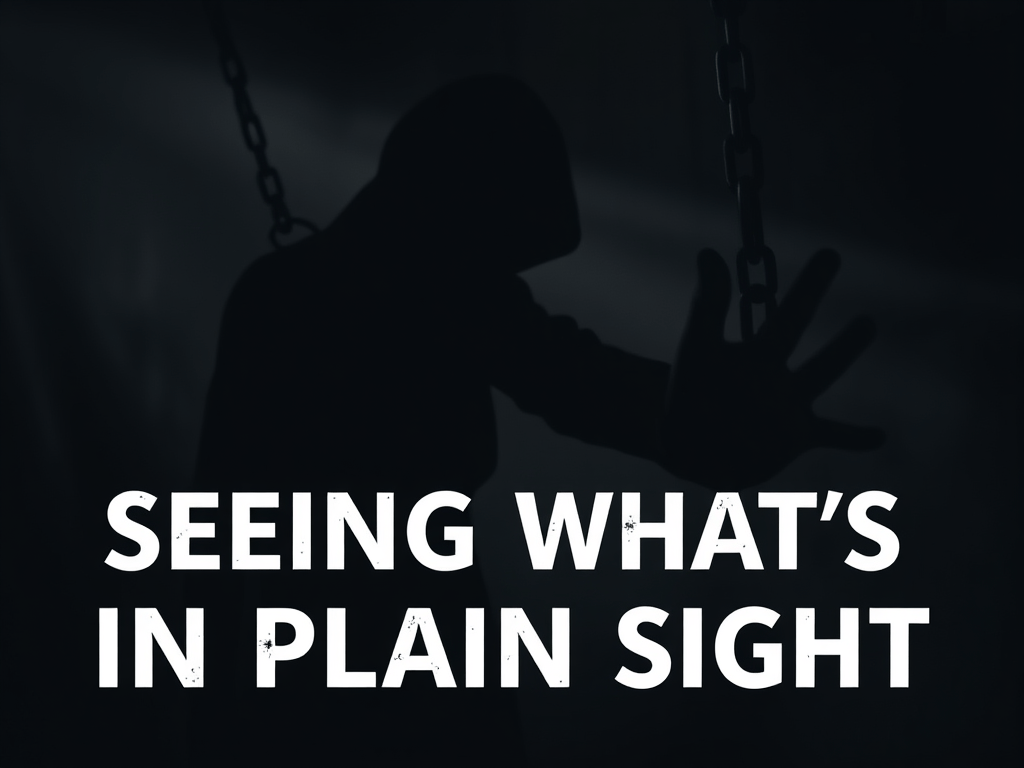
Christian Marriage is Human Trafficking. I said what I said. Continue reading
advice, America, anthropology, brain washing, bride, bridewealth, christian marriage, christianity, codification, communication, community, conformity, content warning, control, cult of the ego, dangerous, death, discipline, discrimination, dowry, family, feminism, Free, gender, god, groom, grooming, health, help, history, human trafficking, human value, human worth, indoctrination, journal, law, laws, legislation, life, man and wife, marriage, me too, modern slavery, no paywalls, obedience, one man one woman, oppression, outreach, personal truth, perspective, property, psychology, religion, religious studies, resources, rights, rules, scary, script, script theory, self help, self improvement, self worth, slavery, social science, sociology, structural violence, struggle, survivor, therapy, traditional, traditional marriage, trafficking, trigger warning, violence, wedding, women -
Toxicity Toolkit 10 – Week 5 – Checking In

In Week Five, participants reflect on their journal entries from the past month, assessing their honesty and emotional responses. They are encouraged to recognize changes in relationships and anticipate future growth. The focus remains on value-based interactions and fostering supportive habits, continuing to build upon learned insights and experiences. Continue reading
advice, anthropology, autoethnography, communication, community, content warning, family, Free, gaslighting, gatekeeping, health, healthcare, help, journal, life, love bomb, me too, Mental Health, narcissist, no paywalls, outreach, personal truth, perspective, psychology, resources, self help, self improvement, sociology, struggle, survivor, therapy, toxicity, trigger warning, Wealthcare -
50) Paper Trail

The author’s mom discovers evidence of abuse, and blames and shames to make it go away. Continue reading
Conformity and Control, cult of the ego, cycle breaking, Erasing The Silence, grooming, Revictimization, Social Issues, Uncategorizedabuse, advice, belittling, blame, communication, community, content warning, cult of the ego, cycle breaking, cycles of abuse, evidence, family, Free, generational trauma, guilt, health, help, help hurts, journal, life, me too, no help, no paywalls, notes, outreach, paper, personal truth, perspective, resources, Revictimization, scared, script, script theory, self help, self improvement, sexuality, shame, siblings, struggle, survivor, therapy, trauma, trauma cycles, trigger warning, trouble
Recent Posts
- Relational Field Theory –
 The content emphasizes that personal growth isn’t solely about effort but is heavily influenced by five layers of reality: self, field, structure, system, and function. It explains dormancy as a protective state rather than failure, highlighting that alignment of these layers is crucial for emergence and growth.
 - Relational Field Theory – Let’s Argue Semantics
 Relational Field Theory emphasizes the significance of precise semantics in communication and understanding human interactions. By distinguishing terms like “dis-” and “dys-,” RFT clarifies relational dynamics, guiding appropriate interventions. This chapter highlights the need for a coherent vocabulary to facilitate meaningful dialogues across various fields, setting the stage for further exploration.
 - 91) Food Addiction- How it Started
 The evolution of food consumption has deeply affected human health and society. Early humans thrived on raw and foraged foods until cooking and agriculture emerged, leading to an increase in population but poorer health. Specialization and a token economy created inequalities. Today, this history contributes to widespread food addiction and obesity crisis.
 - Relational Field Theory – RFT in Business
 Relational Field Theory (RFT) offers a transformative perspective for business environments, contrasting with traditional efficiency-focused frameworks. It reveals underlying distortions and emphasizes relational dynamics, encouraging honesty and clarity. RFT thrives in collaborative, mission-driven contexts while requiring careful introduction in competitive or secretive cultures, ultimately enhancing leadership, team communication, and organizational coherence.
 - 29) Sisters Part Two
 The author reflects on the challenging experience of caring for younger sisters, feeling the absence of their mother. Bath time transforms from joy to a struggle, marked by fear and harsh discipline influenced by the mother’s expectations. The narrator grapples with feelings of inadequacy and learns harmful lessons on parenting.
 - 60) Getting Witchy With It
 The author shares their journey into Wicca, influenced by a Wiccan brother and an inspiring dream. Discovering a local witchy bookstore, they embraced its community and valuable resources, particularly the book “Helping Yourself with White Witchcraft.” Wicca nurtured their autonomy, creativity, and self-discovery during their challenging teen years.
 - Relational Field Theory – RFT Parenting
 Gentle and intentional parenting distinguishes various states of child behavior rather than collapsing them into moral judgments. It fosters a supportive environment that treats behavior as information about the child’s needs. This approach leads to healthier emotional regulation, trust, and communication, allowing children to thrive without punitive measures for their natural responses.
 - Relational Field Theory -orthogonal axes
 Relational Field Theory explores the interplay of language, relational physics, and nervous system states. It distinguishes between structural and pathological states in relationships and behavior—such as disrelate vs. dysrelate and dis-regulate vs. dysregulate. The theory emphasizes the importance of recognizing orthogonal axes to avoid collapsing nuances into binaries, promoting healthier understandings of relational dynamics.
 - Relational Field Theory -How the Hypercube Diagnostic Protects the Theory From Falsehood
 Relational Field Theory, through the hypercube diagnostic, safeguards itself from vagueness and unfalsifiable claims by emphasizing structural integrity over subjective interpretations. It remains testable and transparent, decentralizes authority, and encourages critique, ensuring that truth aligns with observable states and mechanisms rather than personal beliefs or metaphors.
 - Relational Field Theory – Terms and Conditions (So Far)
 Relational Field Theory has evolved from an intuitive concept to a structured framework comparable to complex systems in various sciences. It emphasizes observable patterns in relationships and community dynamics. By categorizing key terms into functional clusters, the theory moves towards precise operational definitions, facilitating further study and application in understanding relational systems.
 - Relational Field Theory – Stats Card
 Relational Field Theory highlights rapid advancements and metrics in the development of Glass Ceiling Records and Relational Anthropology. Key statistics showcase quick paradigm formation (48 hours), over 20 theoretical constructs in January 2026 alone, full application utility pre-naming, and a remarkable 100% coherence retention rate under stress.
 - Relational Field Theory – Timelines
 The timeline chronicles the evolution of Glass Ceiling Records from its founding in late 2025 to its current status. It highlights key phases such as identity formation, methodological developments, communal rituals, and theoretical breakthroughs, showcasing the transformation from a record label into an embodied relational discipline and field of study.
 - Relational Field Theory –
 Relational Field Theory emerged rapidly between January 21 and 29, 2026. It began with the identification of “Relational Anthropology,” progressing from a question to a cohesive discipline. In just under a week, it evolved into a defined field with methodology, integrating diverse concepts and frameworks that reflect a significant academic evolution.
 - Relational Field Theory – A Discipline
 Relational Field Theory (RFT) is a complex discipline requiring at least 12 credit hours for proper academic instruction, encompassing introductory, intermediate, and advanced courses. Each level covers essential concepts, practical applications, and culminates in original fieldwork. RFT is recognized as a comprehensive framework, necessitating ongoing expansion as its components are further developed.
 - Relational Field Theory – Going Full Foucault
 This content discusses the intersection of law and relational dynamics, framed through Foucault’s theories. It analyzes how legislation shapes social relations, impacts identity and multiplicity, and affects the coherence of social fields. The diagnostics evaluate whether laws promote collaboration and inclusivity or reinforce hierarchy and singular narratives.
Newsletter
Make a one-time donation
Make a monthly donation
Choose an amount
Or enter a custom amount
Your contribution is appreciated.
Your contribution is appreciated.
DonateDonate monthly Survivor Literacy