anthropology
-
Daily Prompt – Far From Home

Daily Prompt – Far From Home Today’s prompt asks us to describe the farthest we’ve ever roamed from home. I’ve spent a significant amount of this blog trying to ferret that out. Honestly, I think that for most of my life, I’ve been imagining home, but haven’t ever really had one of my own. A Continue reading
advice, anthropology, autoethnography, communication, community, content warning, cult of the ego, dailyprompt, dailyprompt-2050, family, Free, health, help, journal, life, me too, Mental Health, no paywalls, outreach, personal truth, perspective, psychology, resources, self help, self improvement, struggle, survivor, therapy, trigger warning -
Toxicity Toolkit – Breakout Topics 3 – Shame Resilience

The content explores Brené Brown’s concepts of Shame Resilience and Vulnerability, emphasizing their transformative significance in overcoming feelings of shame. It discusses how shame operates, its gendered perceptions, and the importance of processing vulnerability for healing and authenticity. The author highlights personal experiences and the role of therapy in fostering resilience. Continue reading
advice, anthropology, autoethnography, communication, community, content warning, family, Free, healing, health, help, journal, life, love, me too, Mental Health, no paywalls, outreach, personal truth, personal-growth, perspective, psychology, resources, self help, self improvement, shame, sociology, struggle, survivor, therapy, trigger warning, Wealthcare -
Toxicity Toolkit – Breakout Topics 2 – Logical Fallacies

The author reflects on personal growth stemming from exposure to logical fallacies during college, highlighting their role in overcoming a toxic upbringing. Understanding these reasoning flaws has enabled the author to detach from damaging interactions, particularly ad hominem attacks. The upcoming posts will delve into various logical fallacies and their implications. Continue reading
ad hominem, advice, anthropology, communication, community, content warning, critical thinking, cult of the ego, faith, family, Free, health, help, journal, life, logic, logical fallacies, me too, Mental Health, no paywalls, outreach, personal truth, perspective, philosophy, politics, psychology, resources, self help, self improvement, slippery slope, straw man, struggle, survivor, therapy, trigger warning -
59) T Was Easier to Love than Me

The narrative reflects on a cherished relationship with a cousin’s girlfriend who became an integral part of the family. Her bond with the narrator and their mother brought joy, laughter, and genuine connection, contrasting with the narrator’s longing for a similar closeness with their own mother. The story highlights themes of love and familial ties. Continue reading
advice, anthropology, autoethnography, board games, boyfriend, brother, card games, cards, communication, community, competition, comraderie, content warning, cousin, daughter, family, family friend, Free, friends, girlfriend, health, help, high school, journal, life, love, me too, mom, no paywalls, outreach, personal truth, perspective, play time, psychology, replacement daughter, resources, rummy, self help, self improvement, sociology, struggle, survivor, tabletop games, therapy, trigger warning, uno -
Toxicity Toolkit 18 – Week 12 – Family Journal Exercise

In Week Twelve’s family journal exercise, participants review past entries to identify patterns and changes in relationships. Families gather to share reflections on detoxifying their home, discussing challenges, surprises, and improvements. They then decide whether to continue practicing or advance to Level 2, celebrating their efforts throughout the process. Continue reading
advice, anthropology, autoethnography, communication, community, content warning, family, Free, gaslighting, gatekeeping, health, healthcare, help, journal, life, love bomb, me too, Mental Health, narcissist, no paywalls, outreach, personal truth, perspective, psychology, resources, self help, self improvement, sociology, struggle, survivor, therapy, toxicity, trigger warning, Wealthcare -
58) Third Wheel

This post recounts the amusing experience of a mischievous group of students, which leads to an unexpected reunion between Mr. E, and a former crush named Reticence. The narrator plays matchmaker between them, facilitating a nostalgic date at Dairy Queen, which sparks old feelings leading to a sweet, albeit brief, romance. Continue reading
advice, anthropology, autoethnography, chaperone, communication, community, content warning, date, dating, ethnography, family, fate, Free, friends, friendship, fun, health, help, high school, journal, life, life story, matchmaker, me too, meant to be, memoir, movie date, movie night, narrative, night out, no paywalls, outreach, personal narrative, personal truth, perspective, resources, reunion, reunited, self help, self improvement, struggle, survivor, teenagers, teens, therapy, third wheel, trigger warning, unexpected, young love -
Toxicity Toolkit 17 – Week 11 – Self Soothing

Week Eleven focuses on emotional regulation, emphasizing self-soothing techniques to manage emotional responses. Journaling about past emotional reactions helps identify personal triggers and responses. The exercise encourages finding effective calming strategies, practicing them, and sharing with family to enhance collective emotional well-being. Engaging in role-plays illustrates successful self-soothing outcomes. Continue reading
advice, anthropology, autoethnography, communication, community, content warning, family, Free, gaslighting, gatekeeping, health, healthcare, help, journal, life, love bomb, me too, Mental Health, narcissist, no paywalls, outreach, personal truth, perspective, psychology, resources, self help, self improvement, sociology, struggle, survivor, therapy, toxicity, trigger warning, Wealthcare -
57) Western Wear

The narrative recounts the author’s quest for independence through their first job at a western wear store amid a strained relationship with their mother. They find excitement in their romance with a truck driver, which provides a sense of validation. However, their job ends abruptly due to a wrongful accusation, leaving them heartbroken and disheartened. Continue reading
advice, affection, age gap, anthropology, belonging, boyfriend, communication, community, content warning, false accusation, family, finance, financial freedom, first boyfriend, first job, Free, freedom, grooming, health, help, inappropriate, independence, journal, life, life story, me too, narrative, no paywalls, outreach, ownership, personal truth, perspective, predator, property, psychology, resources, scapegoat, self help, self improvement, sociology, story, struggle, survivor, therapy, trigger warning, truck driver -
Toxicity Toolkit 16 – Week 10 – Give and Fast

In Week Ten of the DBT tools program, participants learn about GIVE (for relationship effectiveness) and FAST (for self-respect effectiveness). GIVE emphasizes gentleness, interest, validation, and ease in interactions, while FAST focuses on fairness, genuine apologies, adherence to values, and truthfulness. Role-playing these techniques helps in practicing a compassionate approach. Continue reading
advice, anthropology, autoethnography, communication, community, content warning, family, Free, gaslighting, gatekeeping, health, healthcare, help, journal, life, love bomb, me too, Mental Health, narcissist, no paywalls, outreach, personal truth, perspective, psychology, resources, self help, self improvement, sociology, struggle, survivor, therapy, toxicity, trigger warning, Wealthcare -
Toxicity Toolkit 15 – Week 9 – Love Bombing

The Toxicity Toolkit addresses toxic behaviors that affect relationships, arising from various life experiences. It acknowledges that everyone displays toxic traits and aims to provide exercises for families to combat toxicity and cultivate healthier communication. The toolkit emphasizes recognizing toxicity, employing dialectical behavioral therapy, and fostering a positive environment for growth. Continue reading
advice, anthropology, autoethnography, communication, community, content warning, family, Free, gaslighting, gatekeeping, health, healthcare, help, journal, life, love bomb, me too, Mental Health, narcissist, no paywalls, outreach, personal truth, perspective, psychology, resources, self help, self improvement, sociology, struggle, survivor, therapy, toxicity, trigger warning, Wealthcare -
Toxicity Toolkit 14 – The Third Month
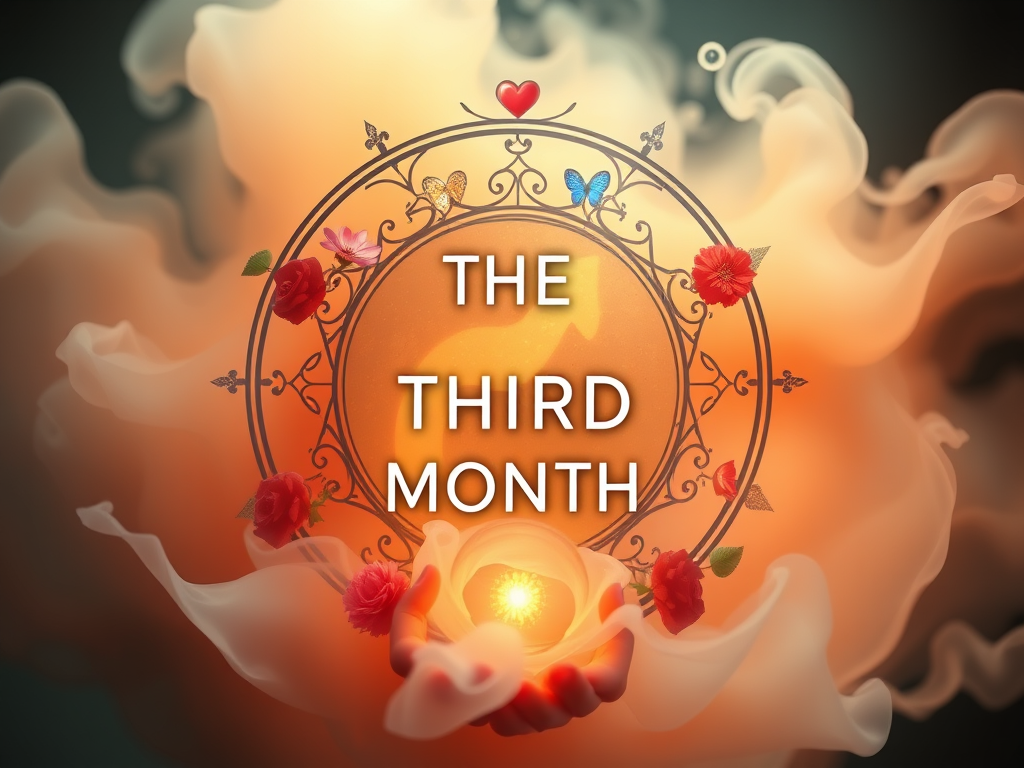
In the third month, you’ll address toxic positivity through Love Bombing in Week 9, learn DBT tools GIVE and FAST in Week 10, and concentrate on emotional regulation in Week 11. The creator encourages feedback on any harmful content found on the site. Continue reading
advice, anthropology, autoethnography, communication, community, content warning, family, Free, gaslighting, gatekeeping, health, healthcare, help, journal, life, love bomb, me too, Mental Health, narcissist, no paywalls, outreach, personal truth, perspective, psychology, resources, self help, self improvement, sociology, struggle, survivor, therapy, toxicity, trigger warning, Wealthcare -
I Was Magic

The poem “I Was Magic” by Protyus A. Gendher explores the dynamics of a relationship marked by jealousy and overshadowed individuality. The speaker reflects on how their partner initially admired their uniqueness but later demands to be the center of attention, leading to the speaker’s gradual loss of self-worth and sparkle. Continue reading
advice, ally, anthropology, art, autoethnography, bi, closet, communication, community, content warning, family, feminism, Free, gay, genderr, health, help, journal, lesbian, lgbt, lgbtq, life, me too, Mental Health, no paywalls, outreach, personal truth, perspective, Poetry, pride, psychology, resources, self help, self improvement, silence, sociology, struggle, survivor, therapy, trans, trigger warning, writing -
54) Human Trafficking Part Four

The content discusses the pervasive issue of human trafficking within various societal systems in America, such as adoption, surrogacy, and the military. It highlights personal experiences and the detrimental effects on individuals and communities, urging readers to recognize these connections to promote healing and potential escape from these cycles of exploitation. Continue reading
Conformity and Control, cult of the ego, cycle breaking, Erasing The Silence, grooming, human trafficking, Revictimization, Social Issues, theory, Uncategorizedabortion, abuse, adoption, advice, anthropology, clinton, commodification, communication, community, conserative, content warning, cult of the ego, democrat, diddy, epstein, ethnography, family, for sale, Free, health, help, human commodification, human trafficking, human-rights, humantrafficking, journal, legal, life, me too, no paywalls, outreach, personal truth, perspective, project2025, psychology, republican, resources, rich, rich people, script, script theory, self help, self improvement, sex trafficking, social science, sociology, status, struggle, surrogacy, survivor, therapy, trafficking, trauma, trigger warning, wealth, Wealthcare -
Toxicity Toolkit 13 – Week 8 – Dear Man

Week Eight of the Interpersonal Effectiveness series focuses on the DEAR MAN technique from Dialectical Behavioral Therapy (DBT). This method is designed to help individuals express needs respectfully. It includes describing situations, expressing feelings, asserting oneself, reinforcing good behavior, staying mindful, appearing composed, and negotiating effectively. Practice is essential for success. Continue reading
advice, anthropology, autoethnography, communication, community, content warning, family, Free, gaslighting, gatekeeping, health, healthcare, help, journal, life, love bomb, me too, Mental Health, narcissist, no paywalls, outreach, personal truth, perspective, psychology, resources, self help, self improvement, sociology, struggle, survivor, therapy, toxicity, trigger warning, Wealthcare -
Toxicity Toolkit 12 – Week 7 – The F* It Bucket

In Week Seven, the focus is on “Letting Things Go” through the exercise of the F* it Bucket. Families create a container to collect worries they cannot control, crumpling or folding notes before discarding them to reduce mental clutter and stress. This promotes present engagement and healthy coping strategies. Continue reading
advice, anthropology, autoethnography, communication, community, content warning, family, Free, gaslighting, gatekeeping, health, healthcare, help, journal, life, love bomb, me too, Mental Health, narcissist, no paywalls, outreach, personal truth, perspective, psychology, resources, self help, self improvement, sociology, struggle, survivor, therapy, toxicity, trigger warning, Wealthcare
Recent Posts
- Relational Field Theory – Housing Curiosity
 The author reflects on the transformative power of safety in nurturing curiosity. After years of feeling constrained, a sense of stability emerged when their child bought a house. This newfound security allowed curiosity to flourish, fostering creative exploration and insightful connections. Safety enabled a shift from survival to natural intellectual growth.
 - Relational Field Theory – The Ceremonial Talking Mic
 Relational Field Theory emphasizes a transformative approach for autistic and neurodivergent individuals, replacing distorted communication tools with a ceremonial talking stick that fosters authenticity. This new “mic” ensures attention, truth, and coherence, inviting individuals to speak without masks or filters, asserting their presence and voice within the conversation.
 - Relational Field Theory – Autistic People are Friggin AWESOME at Relationships
 Relational Field Theory Autistic People Aren’t Relationally Challenged — We’re Relationally Exacting For as long as autistic people have existed,… Read more: Relational Field Theory – Autistic People are Friggin AWESOME at Relationships
 - Relational Field Theory – Autistic Honesty
 Autistic honesty is not merely bluntness but a coherence system rooted in a sensitivity to internal contradictions. For neurodivergent individuals, self-betrayal causes distress, and lying is often impossible due to the need for coherence. This sensitivity serves as a detection system for toxicity, highlighting a truth-regulated neuroarchitecture rather than a flaw.
 - Relational Field Theory – Canaries in the Mine
 Neurodivergent individuals, particularly those who are autistic, possess heightened sensitivity to cognitive dissonance, akin to canaries detecting toxic conditions in coal mines. Their awareness of incoherence serves as an early-warning system, highlighting the dangers of societal contradictions. This sensitivity is not a weakness but a crucial ecological function, enabling them to navigate environments fraught with inconsistency.
 - My Body Belongs to Me by Protyus A. Gendher – Artist’s Showcase
 The song “My Body Belongs to Me” by Protyus A. Gendher serves as a love letter to the inner child and a call for self-love amidst past traumas. It emphasizes the importance of consent and personal autonomy, aiming to empower individuals to embrace their bodies and protect themselves from violations.
 - 88) She Chased Me
 The narrator navigates life alone and struggles with health issues, financial instability, and family estrangement. Amidst her challenges, she finds joy in new CNA classes and develops an attraction to a charming coworker. The story unfolds with hints of unexpected pregnancy and culminates in a romantic moment, revealing deeper emotional connections.
 - Relational Field Theory – Return to Frankl
 The discussion on Relational Field Theory highlights how core human insights like meaning and purpose can be distorted into tools of control rather than liberation. While Viktor Frankl emphasized personal agency, these concepts have been twisted into mandates that undermine authentic connection and self-understanding. The goal is to reclaim a more humane and emergent understanding of meaning and purpose.
 - Relational Field Theory – ✨ A Life Hack for Every Conversation:
 The post discusses Relational Field Theory and introduces “The Capacity Check,” a tool for improving conversations. It emphasizes that arguments often fail not due to illogical reasoning, but due to emotional capacity. By assessing someone’s capacity for discussion and adjusting accordingly, one can enhance communication and resolve conflicts more effectively.
 - Relational Field Theory – The Core Architecture and the Ethics of a Replicable Field
 Relational Field Theory (RFT) explores the underlying architecture of relational systems, emphasizing the ethical guardianship and replicability of these fields. It outlines core elements such as capacity, load, coherence, and collapse, highlighting the responsibility of facilitators to ensure ethical practices and prevent reenactment of harm. RFT serves as a stable framework for diverse contexts.
 - Relational Field Theory – Welcome to the Field
 Relational Field Theory invites participants into an open, living system where exploration and curiosity are key. It emphasizes that there are no strict rules or credentials needed, and individuals can engage at their own pace, guided by their own questions and a companion. This dynamic field encourages personal discovery without judgment.
 - Relational Field Theory -The Global Field Is Real
 Relational Field Theory (RFT) has evolved into a global, accessible field that transcends individual ownership. It relies on shared understanding rather than gatekeeping, allowing diverse participants to engage with it across various contexts. This transformation signifies RFT’s emergence as a coherent, self-sustaining framework that can grow organically and adapt to new interpretations.
 - Relational Field Theory -Reading RFT With Any AI — A Beginner’s Guide
 Relational Field Theory (RFT) is accessible to anyone, even without prior knowledge or expertise. It can be explored using various AI models, each providing unique interpretive insights. RFT maintains its integrity across different interpretations, enabling personalized and interactive learning experiences. Curiosity, not expertise, is the key to engaging with RFT.
 - Relational Field Theory – Setting It Free
 The content discusses the transformative process of creative work becoming self-sustaining and communal. It emphasizes that true maturity in creation allows the creator to shift from a role of burden to one of stewardship and collaboration. As projects evolve, they gain independence, enabling broader engagement and adaptation within different contexts.
 - Relational Field Theory -On Coherence and Acceleration
 This chapter explores the concept of Relational Field Theory, emphasizing how coherence in a system accelerates creative and intellectual progress. When internal alignment is achieved, energy is redirected outward, fostering rapid developments and releasing potential. Such acceleration signifies maturity and stability, marking a shift from effortful labor to effortless witnessing.
Newsletter
Make a one-time donation
Make a monthly donation
Choose an amount
Or enter a custom amount
Your contribution is appreciated.
Your contribution is appreciated.
DonateDonate monthly Survivor Literacy