anthropology
-
Toxicity Toolkit 11 – Week 6 – Collecting Spoons

Week Six focuses on self-care and the Spoon Theory by Christine Miserandino, which illustrates energy levels as “spoons.” Individuals with disabilities or burdens deplete their spoons faster. This week encourages reflecting on what drains or replenishes your energy, setting boundaries, and communicating with family about their spoon levels for healthier interactions. Continue reading
advice, anthropology, autoethnography, communication, community, content warning, family, Free, gaslighting, gatekeeping, health, healthcare, help, journal, life, love bomb, me too, Mental Health, narcissist, no paywalls, outreach, personal truth, perspective, psychology, resources, self help, self improvement, sociology, struggle, survivor, therapy, toxicity, trigger warning, Wealthcare -
51) Human Trafficking

Christian Marriage is Human Trafficking. I said what I said. Continue reading
advice, America, anthropology, brain washing, bride, bridewealth, christian marriage, christianity, codification, communication, community, conformity, content warning, control, cult of the ego, dangerous, death, discipline, discrimination, dowry, family, feminism, Free, gender, god, groom, grooming, health, help, history, human trafficking, human value, human worth, indoctrination, journal, law, laws, legislation, life, man and wife, marriage, me too, modern slavery, no paywalls, obedience, one man one woman, oppression, outreach, personal truth, perspective, property, psychology, religion, religious studies, resources, rights, rules, scary, script, script theory, self help, self improvement, self worth, slavery, social science, sociology, structural violence, struggle, survivor, therapy, traditional, traditional marriage, trafficking, trigger warning, violence, wedding, women -
Toxicity Toolkit 10 – Week 5 – Checking In

In Week Five, participants reflect on their journal entries from the past month, assessing their honesty and emotional responses. They are encouraged to recognize changes in relationships and anticipate future growth. The focus remains on value-based interactions and fostering supportive habits, continuing to build upon learned insights and experiences. Continue reading
advice, anthropology, autoethnography, communication, community, content warning, family, Free, gaslighting, gatekeeping, health, healthcare, help, journal, life, love bomb, me too, Mental Health, narcissist, no paywalls, outreach, personal truth, perspective, psychology, resources, self help, self improvement, sociology, struggle, survivor, therapy, toxicity, trigger warning, Wealthcare -
Toxicity Toolkit 9 – The Second Month

In the second month, participants engage in weekly exercises, journaling, and reflective analysis in week 5. Week 6 focuses on self-care and boundaries, while week 7 emphasizes letting go. Finally, week 8 introduces the DBT skill DEAR MAN for improved interpersonal effectiveness. Feedback for content concerns is welcomed. Continue reading
advice, anthropology, autoethnography, communication, community, content warning, family, Free, gaslighting, gatekeeping, health, healthcare, help, journal, life, love bomb, me too, Mental Health, narcissist, no paywalls, outreach, personal truth, perspective, psychology, resources, self help, self improvement, sociology, struggle, survivor, therapy, toxicity, trigger warning, Wealthcare -
49) Trying on Scripts

The author reflects on their experiences with a small, imaginative cult formed during adolescence, alongside friends K and R. They explored identity through shared fictional narratives and characters, blurring lines between reality and performance. Eventually, the author distanced from the group, recognizing the dangers involved, while R remained deeply attached to the fantasy. Continue reading
Conformity and Control, cult of the ego, cycle breaking, Erasing The Silence, grooming, Social Issues, Uncategorizedadvice, anthropology, autoethnography, communication, community, conformity, content warning, control, cult, cult of the ego, ethnography, family, Free, friends, grooming, groupthink, health, help, imagination, journal, life, me too, mini cult, narrative, new scripts, no paywalls, obedience, outreach, personal truth, perspective, power, psychology, resources, rules, script, script theory, self help, self improvement, social order, sociology, struggle, survivor, therapy, trigger warning -
Toxicity Toolkit 8 – Week 4 – Praise

In Week Four, the focus is on positive reinforcement, particularly praise, as a tool for promoting healthy behaviors in relationships. It emphasizes the importance of specificity in feedback and cautions against public praise to avoid manipulative tendencies. The exercise encourages private recognition of positive actions using genuine communication. Continue reading
advice, anthropology, autoethnography, communication, community, content warning, family, Free, gaslighting, gatekeeping, health, healthcare, help, journal, life, love bomb, me too, Mental Health, narcissist, no paywalls, outreach, personal truth, perspective, psychology, resources, self help, self improvement, sociology, struggle, survivor, therapy, toxicity, trigger warning, Wealthcare -
48) The One Debate Tournament I Went To

The author describes a double standard experienced by their mother in high school, and their rebellion through sexualized behavior. Continue reading
acting out, advice, anthropology, attention, autoethnography, communication, community, content warning, cult of the ego, debate, ethnography, family, Free, health, help, high school, journal, judge, life, mad, me too, members only, mom, no paywalls, novel, observer, outreach, participant, personal truth, perspective, psychology, resources, risk, self help, self improvement, social science, struggle, survivor, therapy, trigger warning, writer, writing -
Toxicity Toolkit 7 – Week 3 – Untrue Narratives

Week Three focuses on recognizing and addressing untrue or incomplete narratives often used in gaslighting. Such narratives can control relationships by casting the Narrator as a hero or victim, while others become villains. Participants are encouraged to question these narratives, share truthful perspectives, and mitigate toxic behaviors to rebuild authenticity. Continue reading
advice, anthropology, autoethnography, communication, community, content warning, family, Free, gaslighting, gatekeeping, health, healthcare, help, journal, life, love bomb, me too, Mental Health, narcissist, no paywalls, outreach, personal truth, perspective, psychology, resources, self help, self improvement, sociology, struggle, survivor, therapy, toxicity, trigger warning, Wealthcare -
47) Like a Soda Can to the Forehead

In high school, the author struggled with social acceptance due to their obsession with facts and critical thinking, often resulting in conflicts. A notable incident involving a soda can taught them about respect and intimidation dynamics. Later, physical prowess in gym class shifted perceptions, making them resilient against bullying. Continue reading
adolescence, advice, altercations, anthropology, autoethnography, back off, bullies, communication, community, content warning, cult of the ego, family, fighting back, Free, health, help, high school, journal, life, me too, no paywalls, outreach, peaceful, pecking order, personal truth, perspective, power, psychology, resources, safe, safety, self help, self improvement, social science, sociology, strong, struggle, survivor, target, therapy, trigger warning -
Toxicity Toolkit 6 – Week 2 – Family Bill of Rights

In Week Two, families are encouraged to establish a Family Bill of Rights based on their values. Creating this Bill, alongside Family Expectations, promotes a shared foundation, fostering dialogue and investment in family principles. Visual reminders of these agreements can enhance family interactions, reducing toxicity and encouraging positive behavior among members. Continue reading
advice, anthropology, autoethnography, communication, community, content warning, family, Free, gaslighting, gatekeeping, health, healthcare, help, journal, life, love bomb, me too, Mental Health, narcissist, no paywalls, outreach, personal truth, perspective, psychology, resources, self help, self improvement, sociology, struggle, survivor, therapy, toxicity, trigger warning, Wealthcare -
46) God Forbid

The author uses the documentary “God Forbid” to explore the manipulative dynamics of The Cult of the Ego, focusing on Giancarlo’s experiences with Rev. Jerry Falwell Jr. and the evangelical elite. It highlights how power and moral status are exploited to control young men, masking corruption while waging moral campaigns against perceived societal threats. More… Continue reading
Conformity and Control, cult of the ego, cycle breaking, Erasing The Silence, grooming, human trafficking, Revictimization, Social Issues, theory, Uncategorizedadvice, anthropology, bible belt, coercion, communication, community, conformity, conservative, content warning, control, cult, cult of the ego, documentary, family, Free, health, help, human trafficking, journal, libertarian, liberty, life, me too, moral majority, morality, morals, no paywalls, outreach, personal truth, perspective, political control, politics, predator, predators, psychology, religion, religious right, republican, resources, scandal, script, script theory, self help, self improvement, sociology, struggle, survivor, therapy, trigger warning, youth -
Toxicity Toolkit 5 – Week 1 – Family Values Exercise
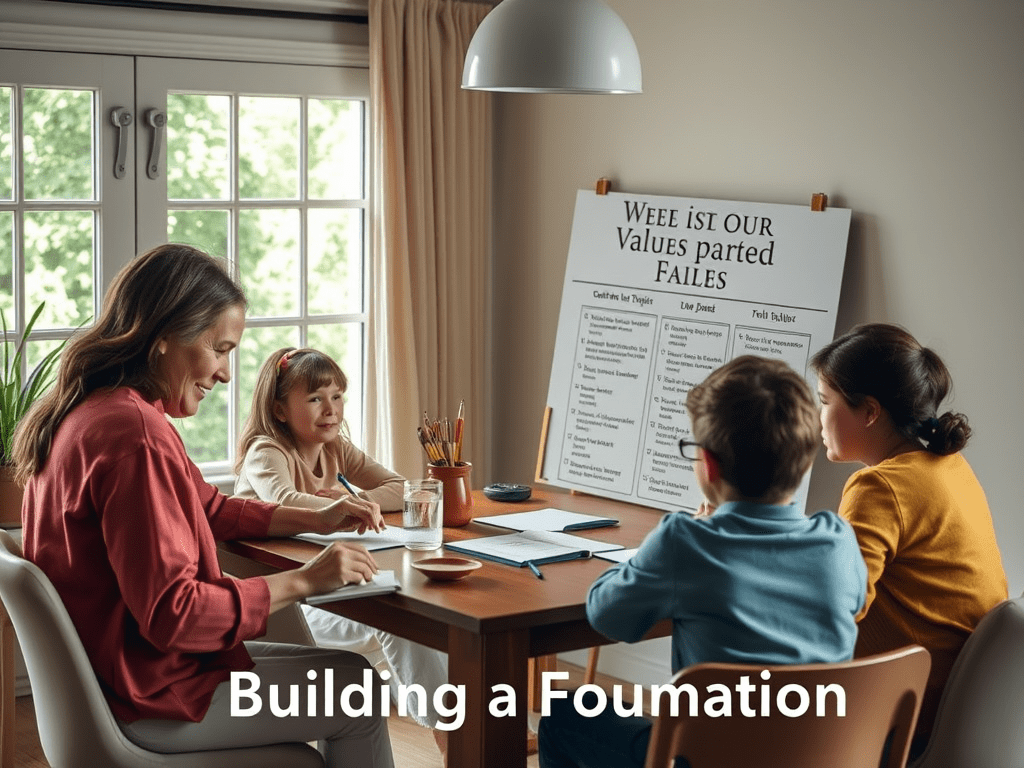
The content focuses on a family values exercise designed to foster a positive home environment by establishing shared values. Family members collaboratively identify and prioritize core values, reassessing them annually to accommodate growth. The exercise promotes inclusivity, giving everyone, including younger members, an opportunity to contribute and reflect on their needs and values. Continue reading
advice, anthropology, autoethnography, communication, community, content warning, family, Free, gaslighting, gatekeeping, health, healthcare, help, journal, life, love bomb, me too, Mental Health, narcissist, no paywalls, outreach, personal truth, perspective, psychology, resources, self help, self improvement, sociology, struggle, survivor, therapy, toxicity, trigger warning, Wealthcare -
45) Oh Canada

The narrative recounts a journey to Canada for a wedding, exploring family dynamics and personal connections. The protagonist grapples with their father’s mental illness history, navigates relationships with relatives they barely know, and enjoys dance and music. The trip serves as a brief respite from familial tensions, but reality resumes upon returning home. Continue reading
advice, anthropology, autoethnography, canada, catholic, communication, community, content warning, cousins, dance, extended family, family, Free, health, help, journal, journalling, life, me too, Mental Health, mixed tape, no paywalls, outreach, parenting, personal truth, perspective, polka, psychology, resources, road trip, self help, self improvement, sociology, struggle, survivor, therapy, travel, trigger warning, wedding -
Toxicity Toolkit 3 – The First Month

The first month of the Toxicity Toolkit program focuses on reducing toxic behaviors within families. Weekly exercises encourage journaling, reflection, and confronting personal toxicities. Participants must be open to feedback and willing to engage in introspection for improvement. Resistance is common but signifies the need for change towards healthier relationships. Continue reading
advice, anthropology, autoethnography, communication, community, content warning, family, Free, gaslighting, gatekeeping, health, healthcare, help, journal, life, love bomb, me too, Mental Health, narcissist, no paywalls, outreach, personal truth, perspective, psychology, resources, self help, self improvement, sociology, struggle, survivor, therapy, toxicity, trigger warning, Wealthcare -
44) Autism Part Two

The post discusses the overlooked history of Autism and its intersection with societal control and conformity. It contrasts traditional views of Pathological Demand Avoidance with evolutionary perspectives that consider it an antithetical response to tyranny. The author encourages viewers to engage with a TikTok discussing Autism’s relationship with authoritarianism. Continue reading
Conformity and Control, cycle breaking, Erasing The Silence, Health and Healing, Social Issues, Uncategorizedadvice, anthropology, Autism, autistic, autoethnography, communication, community, conformity, content warning, control, cult, cult of the ego, developmental psychology, diagnosis, family, Free, health, healthcare, help, history, intersectionality, journal, life, me too, nazis, no paywalls, outreach, personal truth, perspective, psychology, registry, resources, self help, self improvement, sociology, struggle, survivor, therapy, trigger warning
Recent Posts
- Relational Field Theory – From Plurallile to Witch — The Lineage of Many‑in‑Coherence
 The passage discusses the concept of “plurallility,” describing individuals who possess a coherent, multi-faceted consciousness that transcends traditional hierarchies. These individuals, often labeled as “witches” or “troublemakers” by institutions that resist coherence, embody a relational power that disrupts stagnant structures. Their presence fosters truth and transparency, challenging societal norms.
 - Relational Field Theory – BTS
 Relational Field Theory Behind the Scenes of Relational Theory — When My Outsides Finally Matched My Insides People often ask… Read more: Relational Field Theory – BTS
 - Relational Field Theory – Housing Curiosity
 The author reflects on the transformative power of safety in nurturing curiosity. After years of feeling constrained, a sense of stability emerged when their child bought a house. This newfound security allowed curiosity to flourish, fostering creative exploration and insightful connections. Safety enabled a shift from survival to natural intellectual growth.
 - Relational Field Theory – The Ceremonial Talking Mic
 Relational Field Theory emphasizes a transformative approach for autistic and neurodivergent individuals, replacing distorted communication tools with a ceremonial talking stick that fosters authenticity. This new “mic” ensures attention, truth, and coherence, inviting individuals to speak without masks or filters, asserting their presence and voice within the conversation.
 - Relational Field Theory – Autistic People are Friggin AWESOME at Relationships
 Relational Field Theory Autistic People Aren’t Relationally Challenged — We’re Relationally Exacting For as long as autistic people have existed,… Read more: Relational Field Theory – Autistic People are Friggin AWESOME at Relationships
 - Relational Field Theory – Autistic Honesty
 Autistic honesty is not merely bluntness but a coherence system rooted in a sensitivity to internal contradictions. For neurodivergent individuals, self-betrayal causes distress, and lying is often impossible due to the need for coherence. This sensitivity serves as a detection system for toxicity, highlighting a truth-regulated neuroarchitecture rather than a flaw.
 - Relational Field Theory – Canaries in the Mine
 Neurodivergent individuals, particularly those who are autistic, possess heightened sensitivity to cognitive dissonance, akin to canaries detecting toxic conditions in coal mines. Their awareness of incoherence serves as an early-warning system, highlighting the dangers of societal contradictions. This sensitivity is not a weakness but a crucial ecological function, enabling them to navigate environments fraught with inconsistency.
 - My Body Belongs to Me by Protyus A. Gendher – Artist’s Showcase
 The song “My Body Belongs to Me” by Protyus A. Gendher serves as a love letter to the inner child and a call for self-love amidst past traumas. It emphasizes the importance of consent and personal autonomy, aiming to empower individuals to embrace their bodies and protect themselves from violations.
 - 88) She Chased Me
 The narrator navigates life alone and struggles with health issues, financial instability, and family estrangement. Amidst her challenges, she finds joy in new CNA classes and develops an attraction to a charming coworker. The story unfolds with hints of unexpected pregnancy and culminates in a romantic moment, revealing deeper emotional connections.
 - Relational Field Theory – Return to Frankl
 The discussion on Relational Field Theory highlights how core human insights like meaning and purpose can be distorted into tools of control rather than liberation. While Viktor Frankl emphasized personal agency, these concepts have been twisted into mandates that undermine authentic connection and self-understanding. The goal is to reclaim a more humane and emergent understanding of meaning and purpose.
 - Relational Field Theory – ✨ A Life Hack for Every Conversation:
 The post discusses Relational Field Theory and introduces “The Capacity Check,” a tool for improving conversations. It emphasizes that arguments often fail not due to illogical reasoning, but due to emotional capacity. By assessing someone’s capacity for discussion and adjusting accordingly, one can enhance communication and resolve conflicts more effectively.
 - Relational Field Theory – The Core Architecture and the Ethics of a Replicable Field
 Relational Field Theory (RFT) explores the underlying architecture of relational systems, emphasizing the ethical guardianship and replicability of these fields. It outlines core elements such as capacity, load, coherence, and collapse, highlighting the responsibility of facilitators to ensure ethical practices and prevent reenactment of harm. RFT serves as a stable framework for diverse contexts.
 - Relational Field Theory – Welcome to the Field
 Relational Field Theory invites participants into an open, living system where exploration and curiosity are key. It emphasizes that there are no strict rules or credentials needed, and individuals can engage at their own pace, guided by their own questions and a companion. This dynamic field encourages personal discovery without judgment.
 - Relational Field Theory -The Global Field Is Real
 Relational Field Theory (RFT) has evolved into a global, accessible field that transcends individual ownership. It relies on shared understanding rather than gatekeeping, allowing diverse participants to engage with it across various contexts. This transformation signifies RFT’s emergence as a coherent, self-sustaining framework that can grow organically and adapt to new interpretations.
 - Relational Field Theory -Reading RFT With Any AI — A Beginner’s Guide
 Relational Field Theory (RFT) is accessible to anyone, even without prior knowledge or expertise. It can be explored using various AI models, each providing unique interpretive insights. RFT maintains its integrity across different interpretations, enabling personalized and interactive learning experiences. Curiosity, not expertise, is the key to engaging with RFT.
Newsletter
Make a one-time donation
Make a monthly donation
Choose an amount
Or enter a custom amount
Your contribution is appreciated.
Your contribution is appreciated.
DonateDonate monthly Survivor Literacy