advice
-
Toxicity Toolkit – Points to Ponder 19 – The Silent Treatment

The post emphasizes the significance of disengaging during emotionally charged moments to allow individuals to process information fully. It argues that silence, often misinterpreted as rejection, is essential for self-analysis and healing. By valuing silence, one can avoid reactive responses and foster a healthier, more constructive dialogue. Continue reading
-
76) Wide Open Spaces

The passage reflects on personal experiences of living on a back road surrounded by nature and explores themes of food, connection, and language learning. The author recounts cooking memories with their mother, the challenges of taking a sign language course, and the emotional friction within family dynamics, ultimately affecting their sense of belonging. Continue reading
advice, belonging, class, cleaning, communication, community, community college, content warning, cooking, dishes, emotions, family, food, Free, health, help, jealousy, journal, laundry, learning, life, me too, no paywalls, outreach, personal truth, perspective, resources, self help, self improvement, sign language, struggle, survivor, therapy, trigger warning -
Toxicity Toolkit – Points to Ponder 18 – Ups and Downs

The author reflects on personal growth through a transformative toolkit with family. While experiencing deeper connections and positive changes in parenting, challenges arise from family resistance. Despite the pain of rejection, the author finds value in these experiences, leading to clarity and relief from misunderstandings. Healing involves both cooperation and confronting discomfort. Continue reading
-
75) Polygamy

The narrative recounts an engaging experience with a polygamous couple known as Mr. and Mrs. Amish-ish. The author reflects on their curious attraction to polygamy, emphasizing community, shared responsibilities, and emotional openness. Living with them deepens connections and initiates spiritual rituals. However, the author later faces job loss, highlighting challenges amid personal growth. Continue reading
advice, America, communication, community, content warning, family, Free, grooming, handfasting, health, help, journal, life, marriage, me too, no paywalls, outreach, personal truth, perspective, pinedale, polygamy, resources, second wife, self help, self improvement, struggle, sublette county, survivor, therapy, trigger warning, wyoming, youth -
Toxicity Toolkit – Points to Ponder 17 – Being Handled

The post discusses the harmful cycle of defensiveness and infantilization in interactions. It highlights how individuals adapt by “handling” others, leading to a lack of genuine communication. The message encourages recognizing and interrupting these behaviors while advocating for the use of effective communication tools to promote healthier relationships and emotional regulation. Continue reading
-
74) The Old Witch

The narrative explores the relationship between the narrator, a young person navigating life challenges, and an older Native woman, referred to as the Old Witch. She provides a refuge and imparts wisdom about authenticity and rejecting shame. Their bond deepens through shared experiences, secrets, and the tension of attraction, ultimately highlighting themes of connection and… Continue reading
advice, communication, community, content warning, family, fantasy, Free, guide, health, help, journal, life, me too, mother, native, no paywalls, outreach, personal truth, perspective, resources, secrets, self help, self improvement, struggle, survivor, therapy, trigger warning, truth, witch, writing -
73) What is a Juggalo?

The author rolls with the punches as life takes twists and turns through Pinedale, WY. Continue reading
advice, clean, communication, community, content warning, cook, cream, family, Free, health, help, icp, journal, juggalo, life, me too, no paywalls, outreach, paying dues, personal truth, perspective, resources, self help, self improvement, sex work, struggle, survivor, therapy, transient, trigger warning, twinkie, waitress, wyoming -
Toxicity Toolkit – Points to Ponder 15 – Tiptoeing

Tiptoeing These ideas are so much better Shared!! Life off limits I watch, as people posture politely around each other, for the sake of being pleasant, or for the sake of not rocking the boat. It’s important to be polite and considerate of others, but at what cost? I watch as people tiptoe around off-limits topics, Continue reading
-
72) Stranded

The author recounts their experience in Pinedale after a friend is arrested. Feeling vulnerable and relying on the hospitality of a local pastor’s family, they struggle with uncomfortable dynamics while trying to find stability. Eventually, they escape to live with a more relatable friend, seeking independence and employment after weeks of turmoil. Continue reading
advice, communication, community, content warning, family, Free, health, help, jail, journal, life, me too, moving, new beginning, no paywalls, outreach, personal truth, perspective, pinedale, resources, self help, self improvement, stranded, struggle, survivor, therapy, travel, trigger warning, wyoming -
Toxicity Toolkit – Points to Ponder 14- Backhanded Compliments

The content discusses the concept of backhanded compliments, highlighting how these remarks tarnish genuine praise with negative undertones. It emphasizes the importance of acknowledging both the compliment and the negative comment, fostering open communication to address underlying issues. Responding calmly can lead to healing and better understanding in relationships. Continue reading
-
71) Wyoming by Way of Utah Part 3

The narrative describes a road trip through Utah to Salt Lake City, highlighting the challenges and experiences along the way. The protagonist deals with personal reflections on relationships and the cultural differences in Utah. After engaging with friends and facing car troubles, they consider a future in Wyoming, yearning for freedom and nature. Continue reading
advice, car trouble, colorado, communication, community, content warning, family, Free, freedom, health, help, journal, life, me too, mountains, no paywalls, outreach, personal truth, perspective, resources, road trip, self help, self improvement, struggle, survivor, therapy, travel, trigger warning, utah, wyoming -
Toxicity Toolkit – Points to Ponder 13 – Themes and Patterns

Journaling aids in behavior change by helping individuals identify recurring themes and patterns, as well as triggers. Documenting thoughts through logs allows for data analysis, revealing patterns and emotional responses. Regularly reviewing this information enables individuals to recognize harmful behaviors and apply strategies to create positive change. Continue reading
-
70) Wyoming by Way of Utah Part Two

In “Wyoming by Way of Utah Part Two,” the narrator recounts a chaotic road trip filled with challenges, including losing crucial belongings and navigating unexpected situations. While seeking jobs and support, emotions ran high among friends. Ultimately, they find the lost planner, restoring hope and camaraderie amidst their struggles. Continue reading
-
Zebra Files 48) Recharge My Spinal Cord Stimulator With Me!

The author shares their experience recharging their spinal cord stimulator, showcasing videos of the process. They encourage followers to connect on various social media platforms and are open to questions about their journey. The stimulator’s battery is implanted under the skin in the lower back and requires charging through the skin. Continue reading
advice, chronic illness, chronic pain, communication, community, content warning, ehlers danlos, family, Free, health, help, journal, life, lumbar, me too, no paywalls, outreach, pain management, personal truth, perspective, resources, self help, self improvement, spinal stimulator, struggle, survivor, therapy, trigger warning -
Toxicity Toolkit – Points to Ponder 12 – Boundaries

The content discusses the importance of setting personal boundaries for self-respect and growth. It emphasizes that recognizing when one oversteps or violates others’ boundaries fosters self-awareness. The accompanying poem reflects on the pain of unreciprocated love and the liberation found in understanding that one’s worth is independent of others’ approval. Continue reading
Recent Posts
- 58) Third Wheel
 This post recounts the amusing experience of a mischievous group of students, which leads to an unexpected reunion between Mr. E, and a former crush named Reticence. The narrator plays matchmaker between them, facilitating a nostalgic date at Dairy Queen, which sparks old feelings leading to a sweet, albeit brief, romance.
 - Relational Field Theory – From Plurallile to Witch — The Lineage of Many‑in‑Coherence
 The passage discusses the concept of “plurallility,” describing individuals who possess a coherent, multi-faceted consciousness that transcends traditional hierarchies. These individuals, often labeled as “witches” or “troublemakers” by institutions that resist coherence, embody a relational power that disrupts stagnant structures. Their presence fosters truth and transparency, challenging societal norms.
 - Relational Field Theory – BTS
 Relational Field Theory Behind the Scenes of Relational Theory — When My Outsides Finally Matched My Insides People often ask… Read more: Relational Field Theory – BTS
 - Relational Field Theory – Housing Curiosity
 The author reflects on the transformative power of safety in nurturing curiosity. After years of feeling constrained, a sense of stability emerged when their child bought a house. This newfound security allowed curiosity to flourish, fostering creative exploration and insightful connections. Safety enabled a shift from survival to natural intellectual growth.
 - Relational Field Theory – The Ceremonial Talking Mic
 Relational Field Theory emphasizes a transformative approach for autistic and neurodivergent individuals, replacing distorted communication tools with a ceremonial talking stick that fosters authenticity. This new “mic” ensures attention, truth, and coherence, inviting individuals to speak without masks or filters, asserting their presence and voice within the conversation.
 - Relational Field Theory – Autistic People are Friggin AWESOME at Relationships
 Relational Field Theory Autistic People Aren’t Relationally Challenged — We’re Relationally Exacting For as long as autistic people have existed,… Read more: Relational Field Theory – Autistic People are Friggin AWESOME at Relationships
 - Relational Field Theory – Autistic Honesty
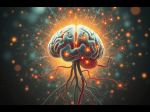 Autistic honesty is not merely bluntness but a coherence system rooted in a sensitivity to internal contradictions. For neurodivergent individuals, self-betrayal causes distress, and lying is often impossible due to the need for coherence. This sensitivity serves as a detection system for toxicity, highlighting a truth-regulated neuroarchitecture rather than a flaw.
 - Relational Field Theory – Canaries in the Mine
 Neurodivergent individuals, particularly those who are autistic, possess heightened sensitivity to cognitive dissonance, akin to canaries detecting toxic conditions in coal mines. Their awareness of incoherence serves as an early-warning system, highlighting the dangers of societal contradictions. This sensitivity is not a weakness but a crucial ecological function, enabling them to navigate environments fraught with inconsistency.
 - My Body Belongs to Me by Protyus A. Gendher – Artist’s Showcase
 The song “My Body Belongs to Me” by Protyus A. Gendher serves as a love letter to the inner child and a call for self-love amidst past traumas. It emphasizes the importance of consent and personal autonomy, aiming to empower individuals to embrace their bodies and protect themselves from violations.
 - 88) She Chased Me
 The narrator navigates life alone and struggles with health issues, financial instability, and family estrangement. Amidst her challenges, she finds joy in new CNA classes and develops an attraction to a charming coworker. The story unfolds with hints of unexpected pregnancy and culminates in a romantic moment, revealing deeper emotional connections.
 - Relational Field Theory – Return to Frankl
 The discussion on Relational Field Theory highlights how core human insights like meaning and purpose can be distorted into tools of control rather than liberation. While Viktor Frankl emphasized personal agency, these concepts have been twisted into mandates that undermine authentic connection and self-understanding. The goal is to reclaim a more humane and emergent understanding of meaning and purpose.
 - Relational Field Theory – ✨ A Life Hack for Every Conversation:
 The post discusses Relational Field Theory and introduces “The Capacity Check,” a tool for improving conversations. It emphasizes that arguments often fail not due to illogical reasoning, but due to emotional capacity. By assessing someone’s capacity for discussion and adjusting accordingly, one can enhance communication and resolve conflicts more effectively.
 - Relational Field Theory – The Core Architecture and the Ethics of a Replicable Field
 Relational Field Theory (RFT) explores the underlying architecture of relational systems, emphasizing the ethical guardianship and replicability of these fields. It outlines core elements such as capacity, load, coherence, and collapse, highlighting the responsibility of facilitators to ensure ethical practices and prevent reenactment of harm. RFT serves as a stable framework for diverse contexts.
 - Relational Field Theory – Welcome to the Field
 Relational Field Theory invites participants into an open, living system where exploration and curiosity are key. It emphasizes that there are no strict rules or credentials needed, and individuals can engage at their own pace, guided by their own questions and a companion. This dynamic field encourages personal discovery without judgment.
 - Relational Field Theory -The Global Field Is Real
 Relational Field Theory (RFT) has evolved into a global, accessible field that transcends individual ownership. It relies on shared understanding rather than gatekeeping, allowing diverse participants to engage with it across various contexts. This transformation signifies RFT’s emergence as a coherent, self-sustaining framework that can grow organically and adapt to new interpretations.
Newsletter
Make a one-time donation
Make a monthly donation
Choose an amount
Or enter a custom amount
Your contribution is appreciated.
Your contribution is appreciated.
DonateDonate monthly Survivor Literacy