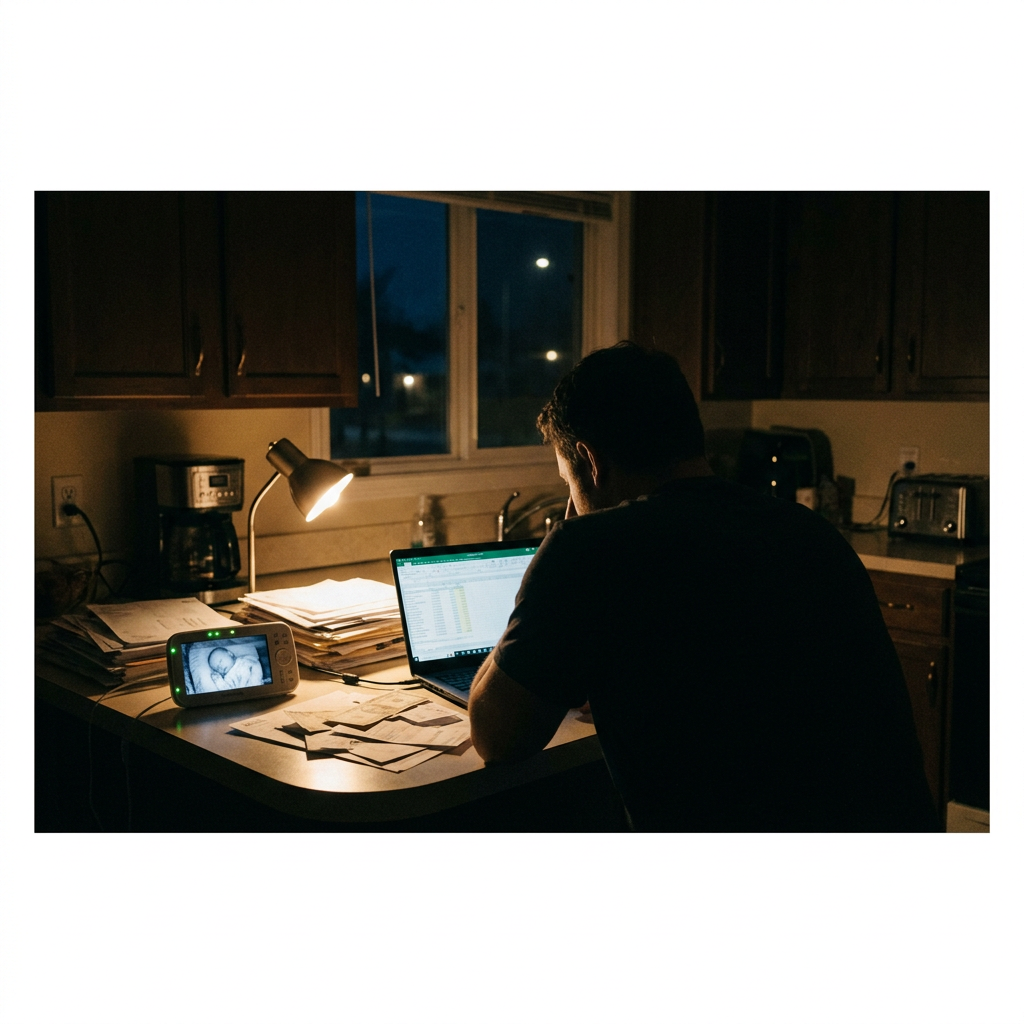

(Ratios, regulation gaps, and the unlicensed care pipeline no one wants to talk about)
When people hear “infant care is unsafe,” they imagine rare tragedies or negligent parents.
But the real safety crisis isn’t about individual behavior.
It’s about structural conditions that make safe infant care nearly impossible to access — and push families into environments where risk is baked in.
This post maps the actual safety mechanisms at play: ratios, regulation gaps, and the unlicensed care pipeline created by policy failure.
🧩 Mechanism 1: Infant Ratios Are Non‑Negotiable — and Impossible to Staff
Infants require the strictest ratios in childcare:
- 1 adult for every 3–4 infants
- No exceptions
- No flexibility
- No scaling
These ratios exist because infants need:
- Constant supervision
- Safe sleep monitoring
- Feeding support
- Diapering and sanitation
- Immediate response to distress
But providers cannot staff these ratios because:
- Wages are $13–$18/hour
- Burnout is extreme
- Turnover is constant
- Benefits are rare
- Training is demanding
- Liability is high
When ratios can’t be met, infant rooms close.
When infant rooms close, parents are pushed into unsafe care.
This is not a staffing issue.
It’s a safety infrastructure collapse.
🧩 Mechanism 2: Regulation Gaps Leave Infants Exposed
Licensed infant care is heavily regulated — for good reason.
But when licensed care is unavailable or unaffordable, parents turn to:
- Unlicensed neighbors
- Unregulated family members
- Informal babysitters
- Teenagers
- Anyone who can watch the baby
These environments often lack:
- Safe sleep training
- CPR certification
- Background checks
- Sanitation standards
- Ratio limits
- Emergency protocols
- Documentation requirements
The state knows this.
The state accepts this.
The state relies on this.
Because the alternative would be admitting that infant care is structurally impossible under current policy.
🧨 Mechanism 3: Safe Sleep Standards Are Impossible to Enforce in Unlicensed Care
Licensed providers must follow strict safe sleep rules:
- No blankets
- No pillows
- No toys
- No inclined sleepers
- No swings for sleep
- No co‑sleeping
- Mandatory checks
- Documentation of every nap
Unlicensed caregivers:
- Don’t know the rules
- Don’t follow the rules
- Don’t have the equipment
- Don’t have the training
- Don’t have oversight
This is where the real risk lies — not in licensed centers, but in the shadow system created by childcare scarcity.
🧩 Mechanism 4: Parents Are Forced Into Unsafe Care by Policy
Parents don’t choose unsafe care.
They are forced into it by:
- Infant care costing more than rent
- Waitlists stretching into years
- Subsidies that exclude the people who need them
- Providers closing infant rooms
- Providers refusing subsidies
- Housing programs requiring employment
- Employment requiring childcare
- Childcare requiring money parents don’t have
The system creates the unsafe conditions and then blames parents for using them.
🧩 Mechanism 5: Abusive or Unsafe Family Members Become the Default
When the only available childcare is:
- Free
- Immediate
- Nearby
- Familiar
Parents turn to:
- Abusive parents
- Abusive siblings
- Controlling ex‑partners
- Family members with substance use issues
- Family members with violent histories
Not because they want to.
Because the system leaves no safe alternative.
This is where the highest risk to infants actually lives — in the forced reliance on unsafe family networks created by policy failure.
🧩 Mechanism 6: The State Offloads Risk Onto Parents
Instead of building infant care infrastructure, the state:
- Cuts subsidies
- Cuts funding
- Cuts reimbursement rates
- Cuts home‑based provider support
- Cuts early childhood programs
And then says:
- “Parents should rely on family.”
- “Parents should find community support.”
- “Parents should plan better.”
This is not support.
This is risk outsourcing.
The state removes safe options and then blames parents for using unsafe ones.
🧨 Mechanism 7: The Real Safety Crisis Is Structural, Not Individual
The highest risk to infants does not come from:
- Cats
- Co‑sleeping
- “Bad parents”
- Working moms
- Single parents
The highest risk comes from:
- Unlicensed care
- Unsafe relatives
- Overburdened caregivers
- Exhausted parents
- Split‑shift households
- Inconsistent supervision
- Environments with no oversight
- Systems that collapse without warning
These risks are manufactured, not moral.
🧵 The Human Reality
Parents describe:
- Leaving infants with people they don’t trust
- Driving across town at 2 AM to find emergency care
- Sleeping in 90‑minute increments
- Working nights because daytime care is gone
- Being told “you should have planned better”
- Being blamed for conditions they didn’t create
The safety crisis isn’t about parental choices.
It’s about policy choices that make safe infant care impossible.
📌 Closing Line for the Post
Infant safety isn’t a matter of parental responsibility — it’s a matter of infrastructure. And right now, the infrastructure doesn’t exist.
We Believe You


Apple Music
YouTube Music
Amazon Music
Spotify Music


Explore Mini-Topics
Leave a Reply