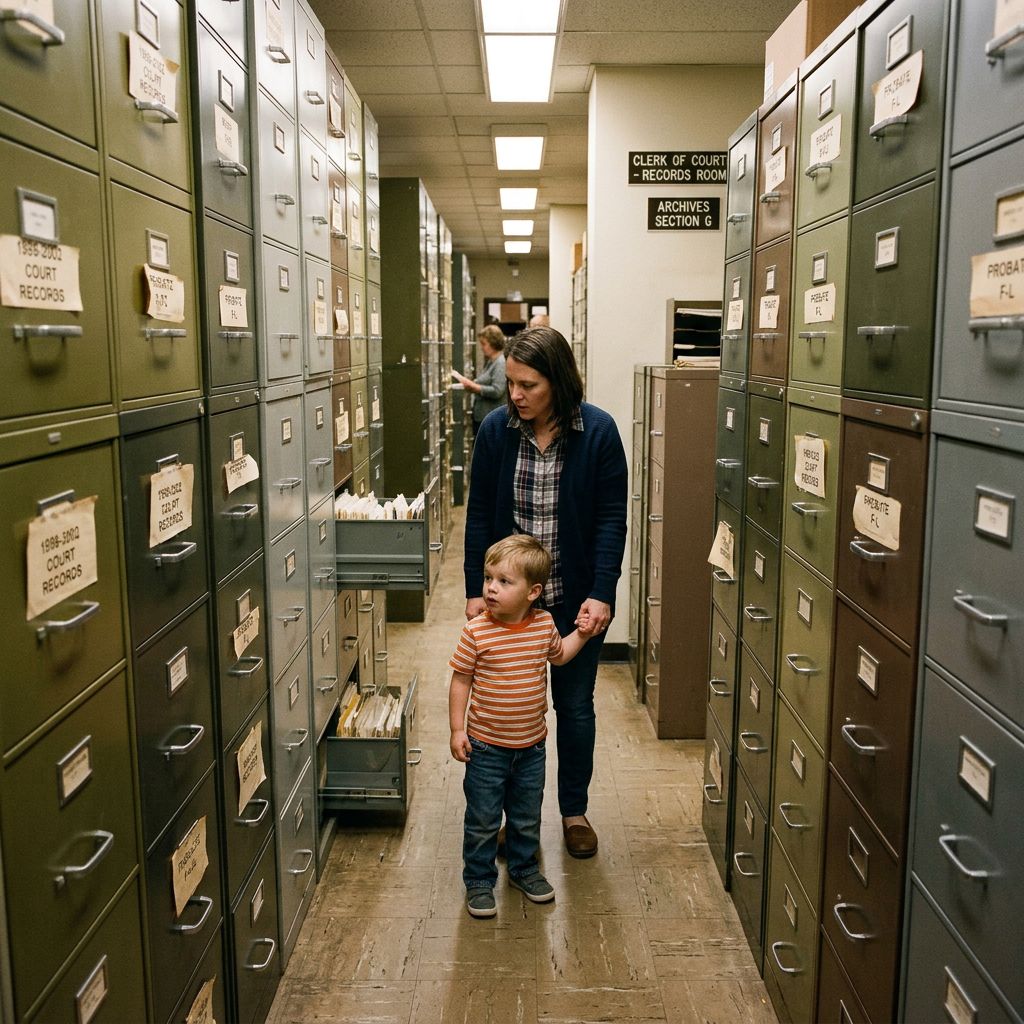

(When the state removes every safe option and calls the unsafe one “support”)
People love to say, “Why don’t they just ask family for help?”
But for millions of parents — especially survivors of childhood abuse, domestic violence, or family scapegoating — family is not a resource. It’s a risk.
And yet the system is designed to make unsafe family members the only available childcare option.
This post maps how policy, economics, and childcare collapse force parents back into the arms of the very people who harmed them.
🧩 Mechanism 1: Childcare Is Unaffordable by Design
When infant care costs:
- $1,542–$1,748/month in Colorado
- 43.4% of a single parent’s income
- More than rent in many counties
Parents cannot buy safety.
So they turn to:
- Parents who abused them
- Siblings who bullied or controlled them
- Ex‑partners who weaponize access
- In‑laws who undermine them
- Anyone who will watch the child for free
This isn’t a “choice.”
It’s economic coercion.
🧩 Mechanism 2: Waitlists Make Safe Care Unreachable
When waitlists stretch from:
- 3,000 to 30,000 children,
- With no new assistance until 2027,
Parents are forced into unsafe care because:
- They must work
- They must maintain benefits
- They must avoid homelessness
- They must attend court
- They must survive
The state requires labor participation while removing the childcare that makes labor possible.
Unsafe family becomes the only option left.
🧩 Mechanism 3: Subsidies Exclude the People Who Need Them Most
Subsidies require:
- Proof of employment
- Proof of stable housing
- Proof of consistent hours
- Proof of documentation
- Proof of childcare
But parents need childcare to get those things.
This creates a loop:
- You need childcare to work
- You need work to qualify for childcare
- You need childcare to maintain work
- You lose childcare
- You lose work
- You lose housing
- You lose benefits
- You return to unsafe family
The system collapses at Step 1.
🧩 Mechanism 4: Housing Policy Forces Parents Back Into Unsafe Homes
Housing programs often require:
- Income
- Employment
- Childcare
- Stability
But without childcare, you cannot:
- Work
- Attend appointments
- Maintain income
- Maintain stability
So parents move in with:
- Abusive partners
- Abusive parents
- Abusive siblings
Not because they want to —
but because policy makes unsafe family the only available housing option.
🧩 Mechanism 5: The Legal System Assumes Family = Safety
Courts routinely:
- Recommend relatives for childcare
- Encourage “family support”
- Prioritize kinship placements
- Penalize parents who lack family involvement
- Assume grandparents are safe by default
But for many survivors:
- Family is the source of trauma
- Family is the source of control
- Family is the source of coercion
- Family is the source of instability
The system treats “family” as a universal good.
Survivors know better.
🧨 Mechanism 6: Abusers Weaponize the Childcare Gap
When the system removes safe childcare, abusers step in:
- “You can’t afford to leave.”
- “You’ll lose the kids.”
- “You can’t work without me.”
- “You’ll never find childcare.”
- “You’ll be homeless.”
And because the system has made those statements true, survivors stay.
Not because they want to.
Because the alternative is economic freefall.
🧩 Mechanism 7: Unsafe Family Members Gain Power Through Scarcity
When the only available childcare is unsafe family, those family members gain:
- Access
- Leverage
- Control
- Influence over the child
- Influence over the parent
- The ability to sabotage
- The ability to retaliate
- The ability to rewrite narratives
This is how generational trauma reproduces itself:
through forced proximity created by policy failure.
🧵 The Human Reality
Parents describe:
- Leaving children with the same people who hurt them
- Being guilt‑tripped into compliance
- Being financially blackmailed
- Being emotionally manipulated
- Being told they “owe” their abusers
- Being punished for setting boundaries
- Being blamed for “not having support”
The system calls this “family involvement.”
Parents call it survival under duress.
📌 Closing Line for the Post
Parents don’t rely on abusive family because they want to. They rely on abusive family because the system removes every safe alternative and calls the unsafe one “support.”
We Believe You


Apple Music
YouTube Music
Amazon Music
Spotify Music


Explore Mini-Topics
Leave a Reply