What This Mini‑Topic Covers
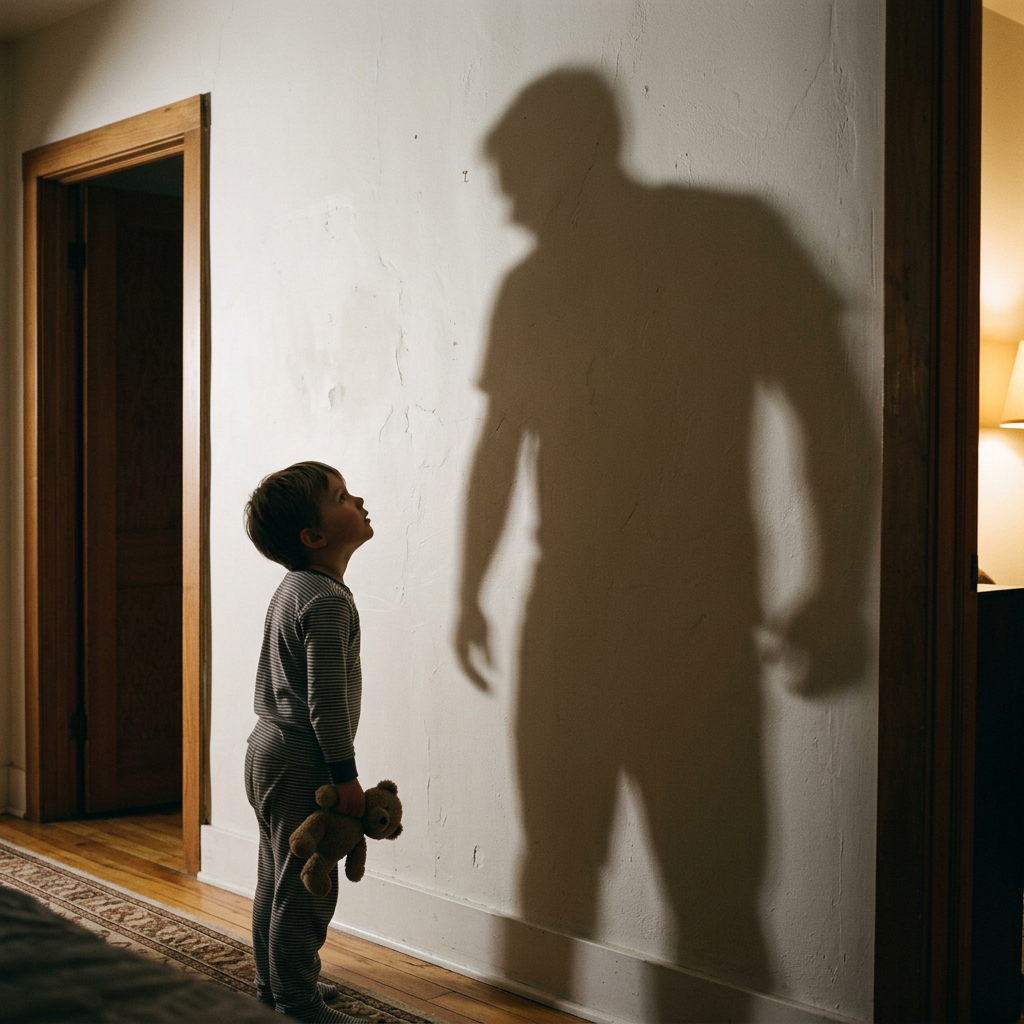
Unsafe adults aren’t defined by personality traits — they’re defined by structural patterns. This Mini‑Topic maps the predictable architectures of unsafe adulthood: how they outsource regulation, how children adapt around them, and how entire ecosystems bend to accommodate their instability. These pieces help readers recognize the pattern without collapsing into blame, sensationalism, or individual pathology.
Why It Matters
Children read adults long before adults read themselves. When an adult is unsafe, the nervous system knows it instantly — even if the language to name it comes decades later. Understanding these patterns is foundational to pattern literacy, field stability, and the ethics of becoming a safe adult in your own community.
Core Posts in This Series
- REVELATION: The Nervous System Conditioning of Unsafe Adults
- HOW UNSAFE-ADULT CONDITIONING SERVES CAPITALISM AND THE HOSTAGE-PLEDGE SYSTEM
- If You Want to Know Who the Predators Around You Are, Note Who Punishes You For Being A Safe Adult
- No Unsafe Adult Is “Not That Bad”
- When Adults Act One Way in Private and Another in Public: Kids Already Know What’s Going On
- When Adults Don’t Regulate Their Emotions: Kids Feel the Whole Weather System
- When Adults Don’t Take Accountability: Kids Learn That Truth Is Dangerous
- When Adults Jump to Blame Instead of Problem Solving: Kids Learn That Mistakes Are Dangerous
- When Adults Intimidate Children: Kids Learn That Power Is a Threat, Not a Protection
- When Adults Intimidate Other Adults: Kids Learn That Safety Is Conditional and Truth Has a Price
- When Adults Expect More Than What Is Developmentally Appropriate: Kids Learn That Their Best Is Never Enough
- When Adults Don’t Consider a Child’s Abilities or Capacity: Kids Learn That Their Limits Are Inconveniences, Not Realities
- When Adults Shame Children: Kids Learn That Their Identity Is the Problem, Not Their Behavior
- When Adults Criticize Children in Public: Kids Learn That Their Dignity Is Conditional
- When Adults Compare Children: Kids Learn That Love Is a Competition They Can Lose
- When Adults Don’t Respect Boundaries: Kids Learn That Their Autonomy Is Optional
- When Adults Violate a Child’s Privacy: Kids Learn That Safety Requires Secrecy, Not Honesty
- When Adults Don’t Respect a Child’s Time: Kids Learn That Their Life Belongs to Other People
- When Adults Don’t Respect a Child’s Pace: Kids Learn That Their Natural Rhythm Is Wrong
- When Adults Don’t Respect a Child’s Interests: Kids Learn That Their Inner World Is Unwelcome
- When Adults Don’t Respect a Child’s Emotional Range: Kids Learn That Only Certain Versions of Them Are Allowed
- When Adults Don’t Respect a Child’s Space: Kids Learn That They Don’t Get to Exist Without Being Entered
- When Adults Don’t Respect a Child’s Sensory Needs: Kids Learn That Their Body’s Signals Are Inconveniences, Not Information
- When Adults Don’t Respect a Child’s Communication Style: Kids Learn That Their Voice Must Be Edited to Be Heard
- When Adults Don’t Respect a Child’s Boundaries With Peers: Kids Learn That Their Social Safety Isn’t Theirs to Control
- When Adults Don’t Respect a Child’s Friendships: Kids Learn That Their Chosen Connections Are Not Theirs to Keep
- When Adults Don’t Respect a Child’s Social World: Kids Learn That Their Reality Only Counts When Adults Approve of It
- When Adults Don’t Respect a Child’s Inner Logic: Kids Learn That Their Mind Is Something to Hide
- When Adults Don’t Respect a Child’s Confusion: Kids Learn That Not Knowing Is a Threat, Not a Beginning
- When Adults Don’t Respect a Child’s Fear: Kids Learn That Their Danger Signals Are Wrong
- When Adults Don’t Respect a Child’s Grief: Kids Learn That Loss Must Be Hidden, Not Held
- When Adults Don’t Respect a Child’s Joy: Kids Learn That Aliveness Must Be Dimmed to Stay Safe
- When Adults Don’t Respect a Child’s Identity: Kids Learn That Their Selfhood Is Conditional
- When Adults Don’t Respect a Child’s Reality: Kids Learn That Truth Is Dangerous and Selfhood Must Be Negotiated
We Believe You


Apple Music
YouTube Music
Amazon Music
Spotify Music


Explore Mini-Topics
What This Mini‑Topic Covers
Unsafe adults aren’t defined by personality traits — they’re defined by structural patterns. This Mini‑Topic maps the predictable architectures of unsafe adulthood: how they outsource regulation, how children adapt around them, and how entire ecosystems bend to accommodate their instability. These pieces help readers recognize the pattern without collapsing into blame, sensationalism, or individual pathology.
Why It Matters
Children read adults long before adults read themselves. When an adult is unsafe, the nervous system knows it instantly — even if the language to name it comes decades later. Understanding these patterns is foundational to pattern literacy, field stability, and the ethics of becoming a safe adult in your own community.
Core Posts in This Series
- REVELATION: The Nervous System Conditioning of Unsafe Adults
- HOW UNSAFE-ADULT CONDITIONING SERVES CAPITALISM AND THE HOSTAGE-PLEDGE SYSTEM
- If You Want to Know Who the Predators Around You Are, Note Who Punishes You For Being A Safe Adult
- No Unsafe Adult Is “Not That Bad”
- When Adults Act One Way in Private and Another in Public: Kids Already Know What’s Going On
- When Adults Don’t Regulate Their Emotions: Kids Feel the Whole Weather System
- When Adults Don’t Take Accountability: Kids Learn That Truth Is Dangerous
- When Adults Jump to Blame Instead of Problem Solving: Kids Learn That Mistakes Are Dangerous
- When Adults Intimidate Children: Kids Learn That Power Is a Threat, Not a Protection
- When Adults Intimidate Other Adults: Kids Learn That Safety Is Conditional and Truth Has a Price
- When Adults Expect More Than What Is Developmentally Appropriate: Kids Learn That Their Best Is Never Enough
- When Adults Don’t Consider a Child’s Abilities or Capacity: Kids Learn That Their Limits Are Inconveniences, Not Realities
- When Adults Shame Children: Kids Learn That Their Identity Is the Problem, Not Their Behavior
- When Adults Criticize Children in Public: Kids Learn That Their Dignity Is Conditional
- When Adults Compare Children: Kids Learn That Love Is a Competition They Can Lose
- When Adults Don’t Respect Boundaries: Kids Learn That Their Autonomy Is Optional
- When Adults Violate a Child’s Privacy: Kids Learn That Safety Requires Secrecy, Not Honesty
- When Adults Don’t Respect a Child’s Time: Kids Learn That Their Life Belongs to Other People
- When Adults Don’t Respect a Child’s Pace: Kids Learn That Their Natural Rhythm Is Wrong
- When Adults Don’t Respect a Child’s Interests: Kids Learn That Their Inner World Is Unwelcome
- When Adults Don’t Respect a Child’s Emotional Range: Kids Learn That Only Certain Versions of Them Are Allowed
- When Adults Don’t Respect a Child’s Space: Kids Learn That They Don’t Get to Exist Without Being Entered
- When Adults Don’t Respect a Child’s Sensory Needs: Kids Learn That Their Body’s Signals Are Inconveniences, Not Information
- When Adults Don’t Respect a Child’s Communication Style: Kids Learn That Their Voice Must Be Edited to Be Heard
- When Adults Don’t Respect a Child’s Boundaries With Peers: Kids Learn That Their Social Safety Isn’t Theirs to Control
- When Adults Don’t Respect a Child’s Friendships: Kids Learn That Their Chosen Connections Are Not Theirs to Keep
- When Adults Don’t Respect a Child’s Social World: Kids Learn That Their Reality Only Counts When Adults Approve of It
- When Adults Don’t Respect a Child’s Inner Logic: Kids Learn That Their Mind Is Something to Hide
- When Adults Don’t Respect a Child’s Confusion: Kids Learn That Not Knowing Is a Threat, Not a Beginning
- When Adults Don’t Respect a Child’s Fear: Kids Learn That Their Danger Signals Are Wrong
- When Adults Don’t Respect a Child’s Grief: Kids Learn That Loss Must Be Hidden, Not Held
- When Adults Don’t Respect a Child’s Joy: Kids Learn That Aliveness Must Be Dimmed to Stay Safe
- When Adults Don’t Respect a Child’s Identity: Kids Learn That Their Selfhood Is Conditional
- When Adults Don’t Respect a Child’s Reality: Kids Learn That Truth Is Dangerous and Selfhood Must Be Negotiated
We Believe You
Apple Music
YouTube Music
Amazon Music
Spotify Music


Explore Mini-Topics
Leave a Reply