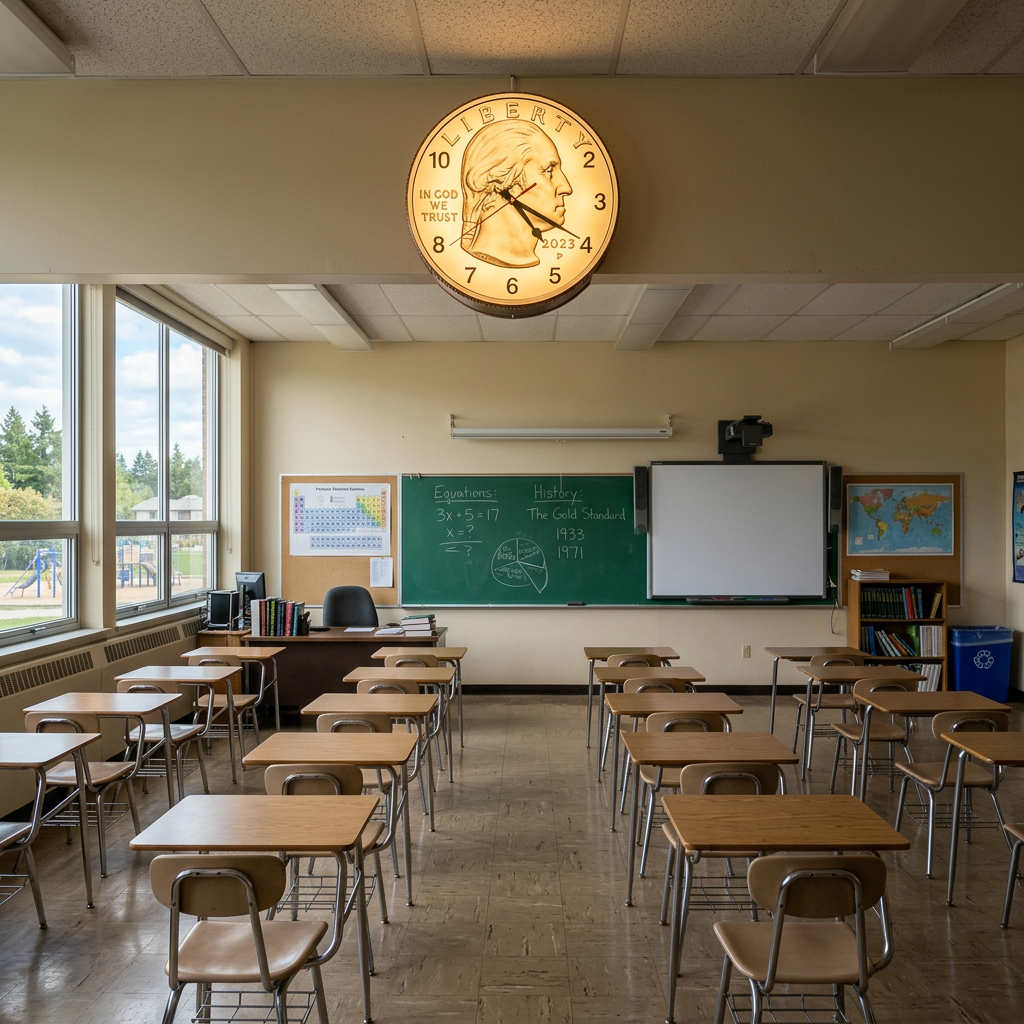
What Remedial Classes Actually Are
Remedial or “developmental” classes are courses designed to help students catch up in subjects like math, reading, or writing.
They are often required for:
- first-generation students
- students from underfunded schools
- returning adults
- students who didn’t have access to AP or honors tracks
- students who faced trauma, instability, or disrupted schooling
These classes are meant to level the playing field.
Instead, they weaponize it.
The Hidden Cost: Full Tuition for Zero Credit
Remedial classes cost full tuition.
But they provide zero college credit.
Students pay thousands for classes that do not count toward their degree.
This means:
- more semesters
- more tuition
- more fees
- more debt
- delayed graduation
Students are charged for the privilege of catching up.
Why Students Need Remedial Classes
Most students placed in remedial courses aren’t “unprepared.”
They’re under-resourced.
Common causes include:
- schools without advanced coursework
- schools without qualified math or science teachers
- schools with outdated textbooks
- schools with overcrowded classrooms
- trauma, poverty, or instability affecting learning
- systemic inequities baked into K–12 education
Remedial classes punish students for the failures of the system.
Placement Tests: The Gatekeeping Mechanism
Placement tests often determine who must take remedial courses.
These tests:
- are high-pressure
- are unfamiliar
- don’t reflect actual ability
- disproportionately place minority and poor students into remedial tracks
- are often administered without preparation or guidance
One test can add thousands of dollars to a student’s degree.
The Time Trap
Remedial classes add:
- extra semesters
- extra years
- extra living expenses
- extra transportation costs
- extra childcare needs
- extra debt accumulation
Students lose time they cannot afford to lose.
The Psychological Toll
Remedial placement sends a message:
“You’re behind.”
“You’re not ready.”
“You’re less capable.”
This damages confidence, increases dropout risk, and reinforces stigma — especially for first-generation and marginalized students.
Who Profits
Remedial classes generate:
- tuition revenue
- fee revenue
- state funding
- departmental budgets
- instructor workloads
They are a financial engine disguised as academic support.
Who Gets Hurt
Remedial classes disproportionately harm:
- poor students
- rural students
- minority students
- disabled students
- first-generation students
- students who survived trauma
- students from underfunded schools
The students with the least resources are charged the most for catching up.
The Result
Remedial classes:
- cost full tuition
- provide zero credit
- delay graduation
- increase debt
- punish under-resourced students
- reinforce inequality
- benefit institutions financially
They aren’t support systems.
They’re toll booths — placed at the very entrance to higher education.
Remedial classes don’t fix inequity.
They monetize it.
We Believe You
Go to the Series Archive.

Apple Music
YouTube Music
Amazon Music
Spotify Music
Structural Violence in Higher Education
- COLLEGE HOUSING: ACCESSIBILITY & AFFORDABILITY – How Dorms Became Profit Centers Instead of Support Systems
- TUITION VS INCOME & COST OF LIVING – Why College Became Financially Inaccessible for Most Families
- THE DIGITAL DIVIDE – How Students Without Laptops, Wi‑Fi, or Quiet Spaces Are Shut Out Before Learning Even Begins
- TRANSCRIPTS HELD HOSTAGE – How Institutions Block Mobility, Employment, and Graduation Until Students Pay Up
- GRADUATION FEES – How Students Are Charged One Last Time Before They Leave
- TRANSPORTATION DESERTS – How Rural Students Are Physically Cut Off From Higher Education
- FOOD INSECURITY AMONG COLLEGE STUDENTS
- LICENSURE EXAM COSTS – How Professional Gatekeeping Becomes Another Financial Barrier
- DISABILITY ACCESS FAILURES – How Accommodations Become Barriers Instead of Support
- Infrastructural Coercion: How Resource‑Gated Power Creates Captivity
- REMEDIAL CLASSES AS A HIDDEN TUITION SINK – How “Catch-Up” Courses Drain Students Before They Even Begin
- FREE TUITION COUNTRIES & SOCIAL EFFECTS – What Happens When Education Is a Public Good Instead of a Debt Trap
- CATCH‑22s IN HIGHER EDUCATION – How Requirements Trap the Students With the Least Resources
- PREDATION WITHIN THE ACADEMY – How Power, Gatekeeping, and Exploitation Shape the Academic Experience
- UNPAID INTERNSHIPS – How Free Labor Became the New Entry-Level Job
- BOOK COSTS THEN VS NOW – How Textbooks Became a Captive-Market Cash Extraction System
- TUITION CHANGE OVER TIME – How College Went From Public Good to Revenue Stream
- BARRIERS TO ACCESS – How Structural Obstacles Keep Students Out Before They Ever Reach the Classroom
- THE FAFSA MAZE – How Bureaucracy Blocks Poor and First‑Gen Students Before They Even Begin
- Good Citizen v. Bad Student: Why Academia Keeps Talking to Itself, and a Guide to Bring It Off the Shelf
- Why I Left Academia, and Why I Write
- THE MENTAL HEALTH CRISIS – How Understaffed Counseling Centers, Long Waitlists, and Punitive Policies Push Students Past Their Limits
- WAR ON STUDENT SUCCESS SERVICES – How Upward Bound, McNair, and DEI Became Targets — And Why Students Pay the Price
- THE ADJUNCT CRISIS – How Students Pay Premium Tuition While Their Instructors Earn Poverty Wages
- THE MYTH OF SCHOLARSHIPS AS A FIX – Why “Just Apply for Scholarships” Is Not a Real Solution — And How the Numbers Prove It
- LOAN FORGIVENESS & DANGLED CARROTS – How “Relief” Programs Keep Borrowers in Perpetual Limbo
- DEGREE REQUIREMENTS & DEGREE CREEP – How the Goalposts Keep Moving While the Pay Stays the Same
- THE MYTH OF “COLLEGE IS THE ONLY PATH” – How a Narrow Narrative Pushes Students Into Debt Instead of Toward Real Opportunity
- THE “PROFESSIONAL ATTIRE” TAX – How Required Clothing for Internships, Teaching, Nursing, and Fieldwork Becomes Another Hidden Cost
- THE DIGITAL DIVIDE – How Students Without Laptops, Wi‑Fi, or Quiet Spaces Are Shut Out Before Learning Even Begins
Leave a Reply