Why Academia Keeps Talking to Itself, and a Guide to Bring It Off the Shelf
If you’ve ever felt like academia is speaking a language no one else uses, you’re not imagining it. The academy trains people to be good citizens of the institution, not good students of the world. And that difference explains why so much knowledge never makes it off the shelf.
A good citizen follows the rules of the discipline.
A bad student follows the logic of the question.
The Good Citizen
A “good citizen” of academia learns to:
- cite the canon in the correct order
- speak in the house dialect
- perform the discipline’s rituals
- stay inside the sanctioned conversation
- demonstrate loyalty to the field’s internal hierarchy
Good citizens keep the system coherent. They reproduce its norms. They write for committees, not communities. Their reward is legitimacy — but only inside the building.
This is why academia often feels like it’s talking to itself.
It is.
The system incentivizes inward speech, not outward clarity.
The Bad Student
A “bad student” is not careless or unserious.
A bad student is someone who:
- asks questions the field isn’t built to answer
- crosses boundaries without waiting for permission
- cares more about clarity than tradition
- writes for humans, not reviewers
- treats knowledge as a tool, not a relic
Bad students are dangerous because they break the internal feedback loop. They refuse to pretend the emperor is wearing clothes. They insist that ideas matter outside the seminar room.
And the system doesn’t know how to metabolize that.
Why Academia Keeps Talking to Itself
Because the incentives reward good citizenship, not good learning.
Disciplines become echo chambers.
Journals become gated gardens.
Conferences become rituals of mutual recognition.
And the public — the people the knowledge was supposedly for — never sees any of it.
This isn’t a failure of intelligence.
It’s a failure of architecture.
The system is designed to preserve itself, not to disseminate insight.
How to Bring It Off the Shelf
If you want academic knowledge to matter in the world, you have to break the good‑citizen script and reclaim the bad‑student stance.
Here’s how:
1. Translate the work into human language
If a concept can’t survive translation, it’s not a concept — it’s a password.
2. Name the stakes
Tell people why it matters.
Not theoretically. Practically.
3. Break the fourth wall
Let readers see the machinery.
Explain the assumptions the field never questions.
4. Connect the dots across disciplines
Most breakthroughs happen in the cracks between fields.
Go there on purpose.
5. Refuse the hostage contract
You don’t owe the system your voice.
You owe your readers your clarity.
6. Publish where people actually are
Blogs, newsletters, talks, podcasts, community spaces — not just journals.
7. Let the work breathe
Knowledge isn’t fragile.
It doesn’t need to be protected from the public.
It needs to be used.
The Shift
Being a good citizen keeps the system intact.
Being a bad student keeps the knowledge alive.
And if academia ever wants to stop talking to itself, it needs more bad students — people willing to take the work off the shelf, translate it, contextualize it, and return it to the world it was meant to serve.
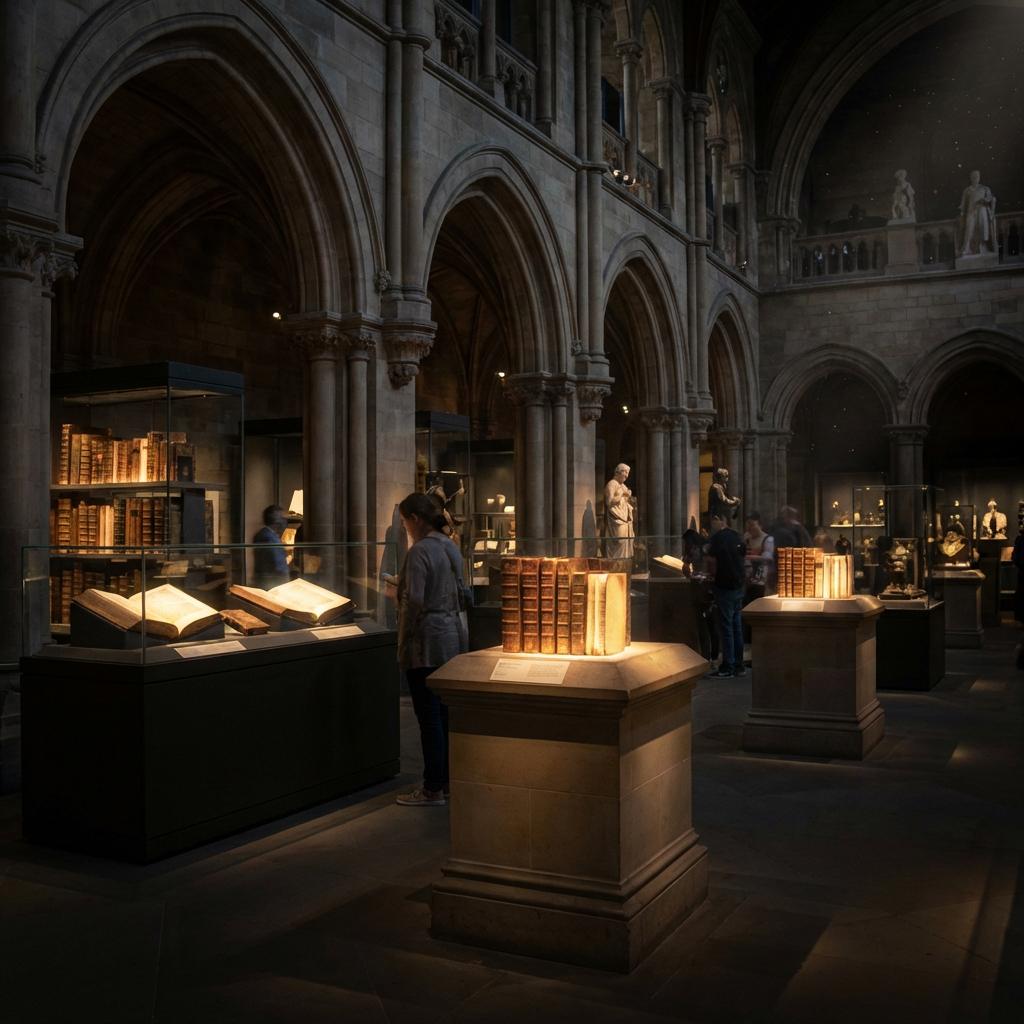
Knowledge isn’t a museum piece.
It’s a tool.
And tools belong in people’s hands.
Visit the Series Archive for more.
Apple Music
YouTube Music
Amazon Music
Spotify Music
Structural Violence in Higher Education
- COLLEGE HOUSING: ACCESSIBILITY & AFFORDABILITY – How Dorms Became Profit Centers Instead of Support Systems
- TUITION VS INCOME & COST OF LIVING – Why College Became Financially Inaccessible for Most Families
- THE DIGITAL DIVIDE – How Students Without Laptops, Wi‑Fi, or Quiet Spaces Are Shut Out Before Learning Even Begins
- TRANSCRIPTS HELD HOSTAGE – How Institutions Block Mobility, Employment, and Graduation Until Students Pay Up
- GRADUATION FEES – How Students Are Charged One Last Time Before They Leave
- TRANSPORTATION DESERTS – How Rural Students Are Physically Cut Off From Higher Education
- FOOD INSECURITY AMONG COLLEGE STUDENTS
- LICENSURE EXAM COSTS – How Professional Gatekeeping Becomes Another Financial Barrier
- DISABILITY ACCESS FAILURES – How Accommodations Become Barriers Instead of Support
- Infrastructural Coercion: How Resource‑Gated Power Creates Captivity
- REMEDIAL CLASSES AS A HIDDEN TUITION SINK – How “Catch-Up” Courses Drain Students Before They Even Begin
- FREE TUITION COUNTRIES & SOCIAL EFFECTS – What Happens When Education Is a Public Good Instead of a Debt Trap
- CATCH‑22s IN HIGHER EDUCATION – How Requirements Trap the Students With the Least Resources
- PREDATION WITHIN THE ACADEMY – How Power, Gatekeeping, and Exploitation Shape the Academic Experience
- UNPAID INTERNSHIPS – How Free Labor Became the New Entry-Level Job
- BOOK COSTS THEN VS NOW – How Textbooks Became a Captive-Market Cash Extraction System
- TUITION CHANGE OVER TIME – How College Went From Public Good to Revenue Stream
- BARRIERS TO ACCESS – How Structural Obstacles Keep Students Out Before They Ever Reach the Classroom
- THE FAFSA MAZE – How Bureaucracy Blocks Poor and First‑Gen Students Before They Even Begin
- Good Citizen v. Bad Student: Why Academia Keeps Talking to Itself, and a Guide to Bring It Off the Shelf
- Why I Left Academia, and Why I Write
- THE MENTAL HEALTH CRISIS – How Understaffed Counseling Centers, Long Waitlists, and Punitive Policies Push Students Past Their Limits
- WAR ON STUDENT SUCCESS SERVICES – How Upward Bound, McNair, and DEI Became Targets — And Why Students Pay the Price
- THE ADJUNCT CRISIS – How Students Pay Premium Tuition While Their Instructors Earn Poverty Wages
- THE MYTH OF SCHOLARSHIPS AS A FIX – Why “Just Apply for Scholarships” Is Not a Real Solution — And How the Numbers Prove It
- LOAN FORGIVENESS & DANGLED CARROTS – How “Relief” Programs Keep Borrowers in Perpetual Limbo
- DEGREE REQUIREMENTS & DEGREE CREEP – How the Goalposts Keep Moving While the Pay Stays the Same
- THE MYTH OF “COLLEGE IS THE ONLY PATH” – How a Narrow Narrative Pushes Students Into Debt Instead of Toward Real Opportunity
- THE “PROFESSIONAL ATTIRE” TAX – How Required Clothing for Internships, Teaching, Nursing, and Fieldwork Becomes Another Hidden Cost
- THE DIGITAL DIVIDE – How Students Without Laptops, Wi‑Fi, or Quiet Spaces Are Shut Out Before Learning Even Begins
Leave a Reply