Protyus A. Gendher
-
Toxicity Toolkit 9 – The Second Month

In the second month, participants engage in weekly exercises, journaling, and reflective analysis in week 5. Week 6 focuses on self-care and boundaries, while week 7 emphasizes letting go. Finally, week 8 introduces the DBT skill DEAR MAN for improved interpersonal effectiveness. Feedback for content concerns is welcomed. Continue reading
advice, anthropology, autoethnography, communication, community, content warning, family, Free, gaslighting, gatekeeping, health, healthcare, help, journal, life, love bomb, me too, Mental Health, narcissist, no paywalls, outreach, personal truth, perspective, psychology, resources, self help, self improvement, sociology, struggle, survivor, therapy, toxicity, trigger warning, Wealthcare -
49) Trying on Scripts

The author reflects on their experiences with a small, imaginative cult formed during adolescence, alongside friends K and R. They explored identity through shared fictional narratives and characters, blurring lines between reality and performance. Eventually, the author distanced from the group, recognizing the dangers involved, while R remained deeply attached to the fantasy. Continue reading
Conformity and Control, cult of the ego, cycle breaking, Erasing The Silence, grooming, Social Issues, Uncategorizedadvice, anthropology, autoethnography, communication, community, conformity, content warning, control, cult, cult of the ego, ethnography, family, Free, friends, grooming, groupthink, health, help, imagination, journal, life, me too, mini cult, narrative, new scripts, no paywalls, obedience, outreach, personal truth, perspective, power, psychology, resources, rules, script, script theory, self help, self improvement, social order, sociology, struggle, survivor, therapy, trigger warning -
Toxicity Toolkit 8 – Week 4 – Praise

In Week Four, the focus is on positive reinforcement, particularly praise, as a tool for promoting healthy behaviors in relationships. It emphasizes the importance of specificity in feedback and cautions against public praise to avoid manipulative tendencies. The exercise encourages private recognition of positive actions using genuine communication. Continue reading
advice, anthropology, autoethnography, communication, community, content warning, family, Free, gaslighting, gatekeeping, health, healthcare, help, journal, life, love bomb, me too, Mental Health, narcissist, no paywalls, outreach, personal truth, perspective, psychology, resources, self help, self improvement, sociology, struggle, survivor, therapy, toxicity, trigger warning, Wealthcare -
48) The One Debate Tournament I Went To

The author describes a double standard experienced by their mother in high school, and their rebellion through sexualized behavior. Continue reading
acting out, advice, anthropology, attention, autoethnography, communication, community, content warning, cult of the ego, debate, ethnography, family, Free, health, help, high school, journal, judge, life, mad, me too, members only, mom, no paywalls, novel, observer, outreach, participant, personal truth, perspective, psychology, resources, risk, self help, self improvement, social science, struggle, survivor, therapy, trigger warning, writer, writing -
Toxicity Toolkit 7 – Week 3 – Untrue Narratives

Week Three focuses on recognizing and addressing untrue or incomplete narratives often used in gaslighting. Such narratives can control relationships by casting the Narrator as a hero or victim, while others become villains. Participants are encouraged to question these narratives, share truthful perspectives, and mitigate toxic behaviors to rebuild authenticity. Continue reading
advice, anthropology, autoethnography, communication, community, content warning, family, Free, gaslighting, gatekeeping, health, healthcare, help, journal, life, love bomb, me too, Mental Health, narcissist, no paywalls, outreach, personal truth, perspective, psychology, resources, self help, self improvement, sociology, struggle, survivor, therapy, toxicity, trigger warning, Wealthcare -
47) Like a Soda Can to the Forehead

In high school, the author struggled with social acceptance due to their obsession with facts and critical thinking, often resulting in conflicts. A notable incident involving a soda can taught them about respect and intimidation dynamics. Later, physical prowess in gym class shifted perceptions, making them resilient against bullying. Continue reading
adolescence, advice, altercations, anthropology, autoethnography, back off, bullies, communication, community, content warning, cult of the ego, family, fighting back, Free, health, help, high school, journal, life, me too, no paywalls, outreach, peaceful, pecking order, personal truth, perspective, power, psychology, resources, safe, safety, self help, self improvement, social science, sociology, strong, struggle, survivor, target, therapy, trigger warning -
Toxicity Toolkit 6 – Week 2 – Family Bill of Rights

In Week Two, families are encouraged to establish a Family Bill of Rights based on their values. Creating this Bill, alongside Family Expectations, promotes a shared foundation, fostering dialogue and investment in family principles. Visual reminders of these agreements can enhance family interactions, reducing toxicity and encouraging positive behavior among members. Continue reading
advice, anthropology, autoethnography, communication, community, content warning, family, Free, gaslighting, gatekeeping, health, healthcare, help, journal, life, love bomb, me too, Mental Health, narcissist, no paywalls, outreach, personal truth, perspective, psychology, resources, self help, self improvement, sociology, struggle, survivor, therapy, toxicity, trigger warning, Wealthcare -
46) God Forbid

The author uses the documentary “God Forbid” to explore the manipulative dynamics of The Cult of the Ego, focusing on Giancarlo’s experiences with Rev. Jerry Falwell Jr. and the evangelical elite. It highlights how power and moral status are exploited to control young men, masking corruption while waging moral campaigns against perceived societal threats. More… Continue reading
Conformity and Control, cult of the ego, cycle breaking, Erasing The Silence, grooming, human trafficking, Revictimization, Social Issues, theory, Uncategorizedadvice, anthropology, bible belt, coercion, communication, community, conformity, conservative, content warning, control, cult, cult of the ego, documentary, family, Free, health, help, human trafficking, journal, libertarian, liberty, life, me too, moral majority, morality, morals, no paywalls, outreach, personal truth, perspective, political control, politics, predator, predators, psychology, religion, religious right, republican, resources, scandal, script, script theory, self help, self improvement, sociology, struggle, survivor, therapy, trigger warning, youth -
Toxicity Toolkit 5 – Week 1 – Family Values Exercise

The content focuses on a family values exercise designed to foster a positive home environment by establishing shared values. Family members collaboratively identify and prioritize core values, reassessing them annually to accommodate growth. The exercise promotes inclusivity, giving everyone, including younger members, an opportunity to contribute and reflect on their needs and values. Continue reading
advice, anthropology, autoethnography, communication, community, content warning, family, Free, gaslighting, gatekeeping, health, healthcare, help, journal, life, love bomb, me too, Mental Health, narcissist, no paywalls, outreach, personal truth, perspective, psychology, resources, self help, self improvement, sociology, struggle, survivor, therapy, toxicity, trigger warning, Wealthcare -
45) Oh Canada

The narrative recounts a journey to Canada for a wedding, exploring family dynamics and personal connections. The protagonist grapples with their father’s mental illness history, navigates relationships with relatives they barely know, and enjoys dance and music. The trip serves as a brief respite from familial tensions, but reality resumes upon returning home. Continue reading
advice, anthropology, autoethnography, canada, catholic, communication, community, content warning, cousins, dance, extended family, family, Free, health, help, journal, journalling, life, me too, Mental Health, mixed tape, no paywalls, outreach, parenting, personal truth, perspective, polka, psychology, resources, road trip, self help, self improvement, sociology, struggle, survivor, therapy, travel, trigger warning, wedding -
Toxicity Toolkit 3 – The First Month

The first month of the Toxicity Toolkit program focuses on reducing toxic behaviors within families. Weekly exercises encourage journaling, reflection, and confronting personal toxicities. Participants must be open to feedback and willing to engage in introspection for improvement. Resistance is common but signifies the need for change towards healthier relationships. Continue reading
advice, anthropology, autoethnography, communication, community, content warning, family, Free, gaslighting, gatekeeping, health, healthcare, help, journal, life, love bomb, me too, Mental Health, narcissist, no paywalls, outreach, personal truth, perspective, psychology, resources, self help, self improvement, sociology, struggle, survivor, therapy, toxicity, trigger warning, Wealthcare -
44) Autism Part Two

The post discusses the overlooked history of Autism and its intersection with societal control and conformity. It contrasts traditional views of Pathological Demand Avoidance with evolutionary perspectives that consider it an antithetical response to tyranny. The author encourages viewers to engage with a TikTok discussing Autism’s relationship with authoritarianism. Continue reading
Conformity and Control, cycle breaking, Erasing The Silence, Health and Healing, Social Issues, Uncategorizedadvice, anthropology, Autism, autistic, autoethnography, communication, community, conformity, content warning, control, cult, cult of the ego, developmental psychology, diagnosis, family, Free, health, healthcare, help, history, intersectionality, journal, life, me too, nazis, no paywalls, outreach, personal truth, perspective, psychology, registry, resources, self help, self improvement, sociology, struggle, survivor, therapy, trigger warning -
Toxicity Toolkit 2 – Build Your Toolkit
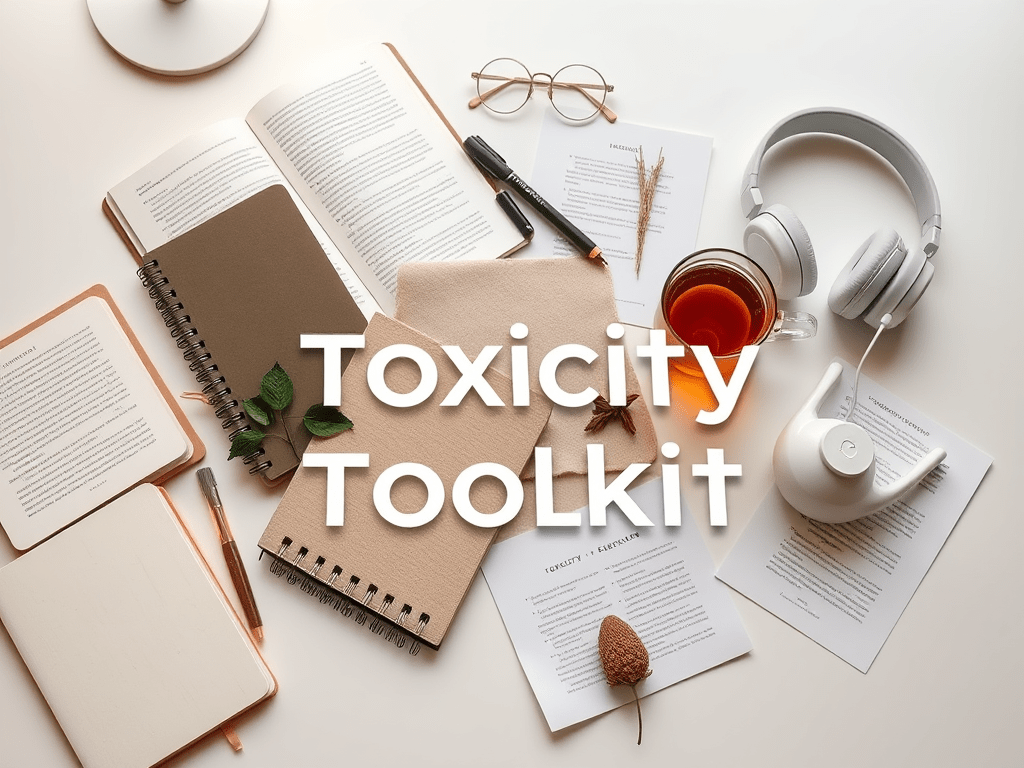
The content serves as a comprehensive guide for utilizing The Toxicity Toolkit, detailing a structured approach to building a toolkit over three months, divided into weekly segments. It emphasizes the availability of audio resources and encourages feedback on harmful content, promoting awareness of privilege in the process. Continue reading
advice, anthropology, autoethnography, communication, community, content warning, family, Free, gaslighting, gatekeeping, health, healthcare, help, journal, life, love bomb, me too, Mental Health, narcissist, no paywalls, outreach, personal truth, perspective, psychology, resources, self help, self improvement, sociology, struggle, survivor, therapy, toxicity, trigger warning, Wealthcare -
43) My First Surgery

The narrator recounts their experience of having a ruptured ovarian cyst mistaken for appendicitis, leading to surgery. They reflect on feelings of neglect and misunderstanding from their mother, who doubted their pain. Post-surgery, they continued to endure monthly cyst ruptures while coping with the emotional and physical challenges of their condition. Continue reading
advice, anthropology, appendectomy, autoethnography, communication, community, consent, content warning, cysts, family, Free, health, healthcare, help, hospital, journal, life, me too, mean, Mental Health, mother, no paywalls, outreach, ovarian cyst, ovaries, personal truth, perspective, psychology, resources, ruptures, self help, self improvement, sociology, struggle, surgery, survivor, therapy, trauma, trigger warning, visitors, Wealthcare -
Toxicity Toolkit 1 – Start Here

The Toxicity Toolkit addresses toxic behaviors that affect relationships, arising from various life experiences. It acknowledges that everyone displays toxic traits and aims to provide exercises for families to combat toxicity and cultivate healthier communication. The toolkit emphasizes recognizing toxicity, employing dialectical behavioral therapy, and fostering a positive environment for growth. Continue reading
advice, anthropology, autoethnography, communication, community, content warning, family, Free, gaslighting, gatekeeping, health, healthcare, help, journal, life, love bomb, me too, Mental Health, narcissist, no paywalls, outreach, personal truth, perspective, psychology, resources, self help, self improvement, sociology, struggle, survivor, therapy, toxicity, trigger warning, Wealthcare
Recent Posts
- Relational Field Theory –
 The content emphasizes that personal growth isn’t solely about effort but is heavily influenced by five layers of reality: self, field, structure, system, and function. It explains dormancy as a protective state rather than failure, highlighting that alignment of these layers is crucial for emergence and growth.
 - Relational Field Theory – Let’s Argue Semantics
 Relational Field Theory emphasizes the significance of precise semantics in communication and understanding human interactions. By distinguishing terms like “dis-” and “dys-,” RFT clarifies relational dynamics, guiding appropriate interventions. This chapter highlights the need for a coherent vocabulary to facilitate meaningful dialogues across various fields, setting the stage for further exploration.
 - 91) Food Addiction- How it Started
 The evolution of food consumption has deeply affected human health and society. Early humans thrived on raw and foraged foods until cooking and agriculture emerged, leading to an increase in population but poorer health. Specialization and a token economy created inequalities. Today, this history contributes to widespread food addiction and obesity crisis.
 - Relational Field Theory – RFT in Business
 Relational Field Theory (RFT) offers a transformative perspective for business environments, contrasting with traditional efficiency-focused frameworks. It reveals underlying distortions and emphasizes relational dynamics, encouraging honesty and clarity. RFT thrives in collaborative, mission-driven contexts while requiring careful introduction in competitive or secretive cultures, ultimately enhancing leadership, team communication, and organizational coherence.
 - 29) Sisters Part Two
 The author reflects on the challenging experience of caring for younger sisters, feeling the absence of their mother. Bath time transforms from joy to a struggle, marked by fear and harsh discipline influenced by the mother’s expectations. The narrator grapples with feelings of inadequacy and learns harmful lessons on parenting.
 - 60) Getting Witchy With It
 The author shares their journey into Wicca, influenced by a Wiccan brother and an inspiring dream. Discovering a local witchy bookstore, they embraced its community and valuable resources, particularly the book “Helping Yourself with White Witchcraft.” Wicca nurtured their autonomy, creativity, and self-discovery during their challenging teen years.
 - Relational Field Theory – RFT Parenting
 Gentle and intentional parenting distinguishes various states of child behavior rather than collapsing them into moral judgments. It fosters a supportive environment that treats behavior as information about the child’s needs. This approach leads to healthier emotional regulation, trust, and communication, allowing children to thrive without punitive measures for their natural responses.
 - Relational Field Theory -orthogonal axes
 Relational Field Theory explores the interplay of language, relational physics, and nervous system states. It distinguishes between structural and pathological states in relationships and behavior—such as disrelate vs. dysrelate and dis-regulate vs. dysregulate. The theory emphasizes the importance of recognizing orthogonal axes to avoid collapsing nuances into binaries, promoting healthier understandings of relational dynamics.
 - Relational Field Theory -How the Hypercube Diagnostic Protects the Theory From Falsehood
 Relational Field Theory, through the hypercube diagnostic, safeguards itself from vagueness and unfalsifiable claims by emphasizing structural integrity over subjective interpretations. It remains testable and transparent, decentralizes authority, and encourages critique, ensuring that truth aligns with observable states and mechanisms rather than personal beliefs or metaphors.
 - Relational Field Theory – Terms and Conditions (So Far)
 Relational Field Theory has evolved from an intuitive concept to a structured framework comparable to complex systems in various sciences. It emphasizes observable patterns in relationships and community dynamics. By categorizing key terms into functional clusters, the theory moves towards precise operational definitions, facilitating further study and application in understanding relational systems.
 - Relational Field Theory – Stats Card
 Relational Field Theory highlights rapid advancements and metrics in the development of Glass Ceiling Records and Relational Anthropology. Key statistics showcase quick paradigm formation (48 hours), over 20 theoretical constructs in January 2026 alone, full application utility pre-naming, and a remarkable 100% coherence retention rate under stress.
 - Relational Field Theory – Timelines
 The timeline chronicles the evolution of Glass Ceiling Records from its founding in late 2025 to its current status. It highlights key phases such as identity formation, methodological developments, communal rituals, and theoretical breakthroughs, showcasing the transformation from a record label into an embodied relational discipline and field of study.
 - Relational Field Theory –
 Relational Field Theory emerged rapidly between January 21 and 29, 2026. It began with the identification of “Relational Anthropology,” progressing from a question to a cohesive discipline. In just under a week, it evolved into a defined field with methodology, integrating diverse concepts and frameworks that reflect a significant academic evolution.
 - Relational Field Theory – A Discipline
 Relational Field Theory (RFT) is a complex discipline requiring at least 12 credit hours for proper academic instruction, encompassing introductory, intermediate, and advanced courses. Each level covers essential concepts, practical applications, and culminates in original fieldwork. RFT is recognized as a comprehensive framework, necessitating ongoing expansion as its components are further developed.
 - Relational Field Theory – Going Full Foucault
 This content discusses the intersection of law and relational dynamics, framed through Foucault’s theories. It analyzes how legislation shapes social relations, impacts identity and multiplicity, and affects the coherence of social fields. The diagnostics evaluate whether laws promote collaboration and inclusivity or reinforce hierarchy and singular narratives.
Newsletter
Make a one-time donation
Make a monthly donation
Choose an amount
Or enter a custom amount
Your contribution is appreciated.
Your contribution is appreciated.
DonateDonate monthly Survivor Literacy