Protyus A. Gendher
-
Let’s Play “Helpful, Benign, or Dangerous” – 5

The exchange between, an unhoused individual, and Mayor Marsh demonstrates the power of narrative reclamation and relational governance. Alexa’s email shares her lived experiences and highlights the need for action, while the mayor’s empathetic response values her input and seeks collaborative improvement, signaling a shift in civic discourse around homelessness. Continue reading
-
Let’s Play “Helpful, Benign, or Dangerous” – 4
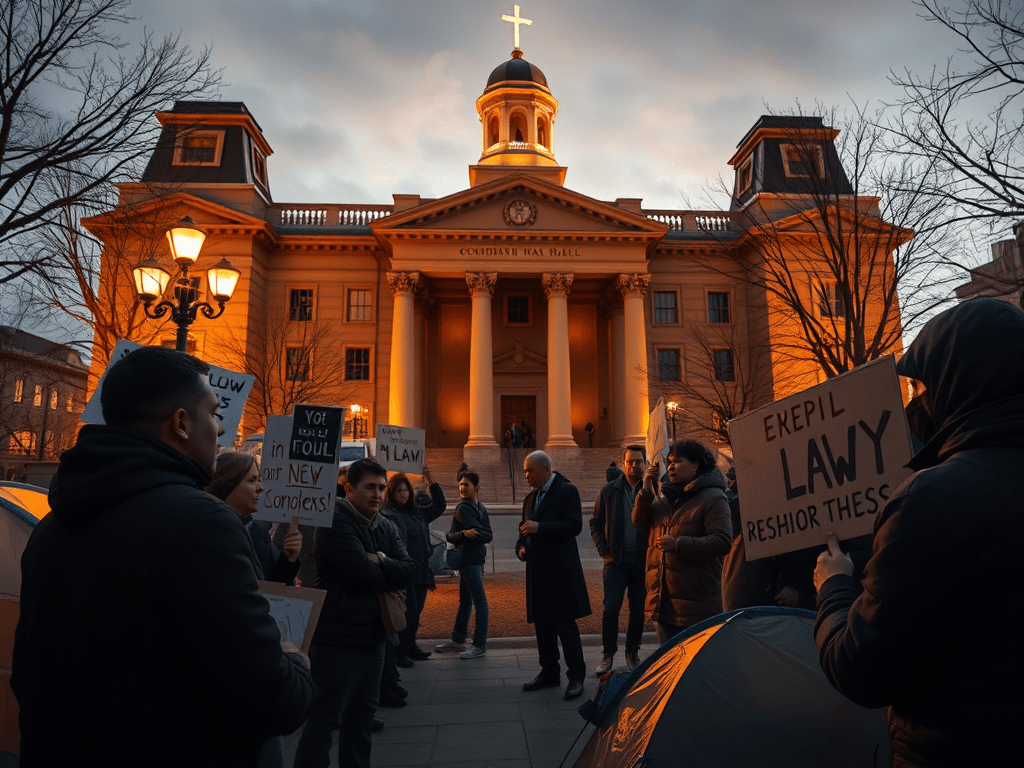
Councilor Steven Olson requests a “Rule of Four” from the council to condemn the mayor’s decision to use City Hall as a homeless shelter, arguing it promotes lawlessness. He cites community backlash and a pastor highlighting exploitation of vulnerable individuals. Support from other councilors amplifies the punitive tone without addressing structural issues. Continue reading
-
Let’s Play “Helpful, Benign, or Dangerous” – 3
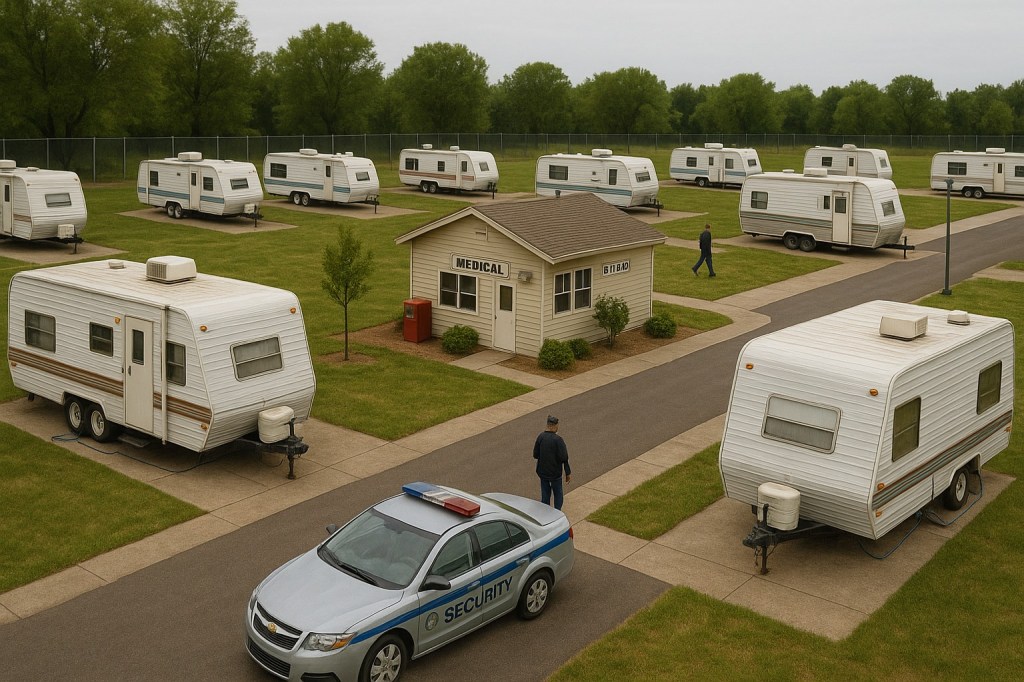
Chris Eilee expresses concern over homelessness in Loveland, proposing a compassionate yet controversial plan for a remote support hub. He suggests integrating mental health services and involuntary rehabilitation, while highlighting the complexities of homelessness. The proposal, though well-intentioned, risks reinforcing containment strategies rather than promoting true community integration and autonomy. Continue reading
-
Let’s Play “Helpful, Benign, or Dangerous” – 2

Ann Bradbury’s email critiques the mayor for directing homeless individuals to City Hall, labeling it illegal trespass. She demands an explanation for bypassing the LRC. Steven Olson’s minimalist response asserts the LRC’s unavailability, dismissing her concerns and reinforcing the narrative that public spaces should exclude unhoused individuals, thus failing to foster dialogue or empathy. Continue reading
-
Let’s Play “Helpful, Benign, or Dangerous” – 1

Sara McWatters raises concerns about Loveland’s deteriorating environment, affecting safety and business viability due to visible homelessness and disorder. Council responses vary, with Steven Olson reinforcing exclusionary views, while Laura Light-Kovacs emphasizes balanced solutions. The exchange highlights a pressing civic crisis but lacks concrete policy direction to address systemic issues. Continue reading
-
Camp Hope Loveland – H0w Did We Let This Happen?
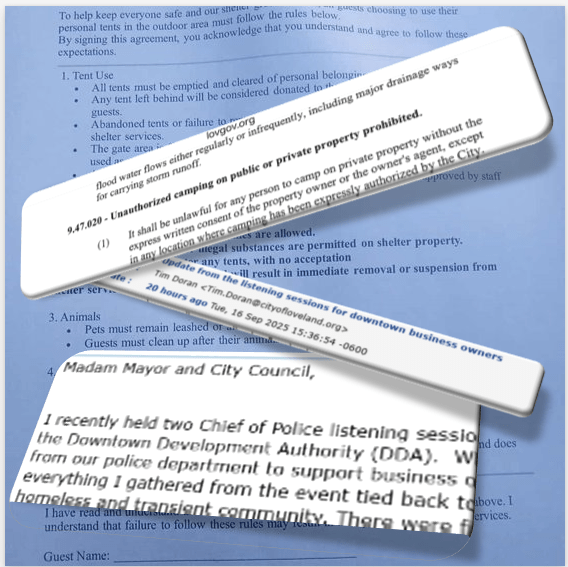
Camp Hope Loveland – How Did We Let This Happen? As I work to continue to unravel the incredible injustices that continue to take place under the guise of a town known for making Valentine’s mail feel special, I’m continually shocked by the overwhelming lack of morality toward people who are hurting, people who have Continue reading
-
Camp Hope Loveland – BURNES REPORT CDA

Copilot and I have had a BLAST today analyzing documents that reveal the underbelly of Loveland. Can you please restate the lens for me? Absolutely—here’s your lens as a simplified list, focused on what the language does and what happens because of it: 🔍 Simplified Analytical Lens 1. Escalation / De-escalation 2. Power & Manipulation Continue reading
-
Camp Hope Loveland – McWhinney Community Meeting 3.22.23 CDA

The text analyzes the rhetorical strategies used in a community meeting discussing the Centerra South proposal. It examines how language shapes perceptions of power, accountability, and social dynamics. Key themes include manipulation of emotional responses, exclusion of marginalized voices, and the framing of economic concerns, ultimately reinforcing developer interests while softening public critique. Continue reading
-
Camp Hope Loveland – Steven Olson on the Burnes Report – CDA

The content explores the complexities of homelessness governance in Loveland, emphasizing Erin Black’s inquiry into the efficacy of the 2019 Burnes Center report. It critiques the city’s shifting strategies, dismissing the evidence-based plan in favor of ego-driven governance and symbolic control, exposing a pattern of strategic erasure and institutional amnesia. Continue reading
-
Camp Hope Loveland – Community Voices 3

We’re going to take the text from the post above and apply our Critical Discourse Analysis lens to it. This time let’s weave in the Cult of the Ego. Same lens- This time let’s add The Cult of the Ego from my previous post, where I describe the process through which the least regulated person Continue reading
-
Camp Hope Loveland – Community Memo CDA

Erin Black’s community memo criticizes Loveland’s leadership, particularly Steve Adams, for misconduct and a lack of accountability. She emphasizes the importance of public comment and community engagement, countering calls to suppress civic input. The memo highlights ongoing distrust and dissatisfaction among residents, urging for transparency and respect within city governance. Continue reading
-
Camp Hope Loveland – RE Council Meeting 5.5.23 CDA

The analysis outlines the Loveland City Council proceedings highlighting the interplay of critical discourse and social control within institutional language. Key themes include procedural legitimacy, power dynamics, and the framing of public health issues in relation to affordable housing. The discussion reveals legislative manipulation, exclusionary practices, and the invocation of police authority in governance. Continue reading
-
Loveland Corruption – Bigger than Camp Hope 5

This post analyzes a pro-SSP statement using Critical Discourse Analysis, highlighting the rhetorical strategies and implications of the argument for Safe Needle Exchange Programs in Loveland. It outlines the benefits and counterarguments, emphasizing evidence-based practice for public health while critiquing opposing council members, ultimately urging community support for harm reduction initiatives. Continue reading
-
Loveland Corruption – Bigger than Camp Hope 4

I decided to continue my conversation with Copilot after that last post. Do these rhetorical devices ever lead to lasting positive change? Rarely—and only under very specific conditions. Rhetorical devices like fear appeals, moral panic, and symbolic boundary work (e.g., “us vs. them,” “evil vs. good”) tend to produce short-term policy reactions, not lasting systemic Continue reading
-
Loveland Corruption – Bigger than Camp Hope 3
Cities that adopt carceral and moralistic framings of homelessness and mental health often see worsening outcomes: increased incarceration, deeper racial inequities, and reduced access to care. These approaches tend to criminalize survival behaviors rather than address root causes. Continue reading
Recent Posts
- 90) Weaponization of the Benign and Beneficial
 The author reflects on their journey from self-blame to embracing personal accountability, emphasizing the importance of positivity and resilience. They explore how societal expectations, like the bootstrap myth and motherhood ideals, can be weaponized, creating feelings of inadequacy. Ultimately, they advocate for self-acceptance and authentic growth.
 - Relational Field Theory – Methodology
 Relational Field Theory (RFT) emphasizes the observer’s role as integral to data collection, advocating for transparency in expectations and influences. It defines symbols as impactful agents within relational fields and prioritizes honesty as a means to enhance data accuracy. Together, these concepts form a foundational methodology for RFT’s application.
 - Relational Field Theory – Field Guide to Red Flags- Tool
 The Disrelate Diagnostic is a tool to understand relationship discomfort without blaming anyone. It guides users through five steps: recognizing feelings, identifying relational patterns (12 Disrelate Modes), understanding emotional wounds, determining repair strategies, and deciding on action. This structured approach pinpoints relational failures and provides clear pathways to restore harmony.
 - Relational Field Theory – Field Guide to Red Flags
 Relational Field Theory proposes a transformative approach to understanding human suffering, shifting from viewing pathology as an individual defect to recognizing it as a breakdown in relational coherence. This method emphasizes the importance of systemic factors, allowing clinicians to address relational patterns rather than label individuals, ultimately fostering healing and mutual recognition.
 - 28) Sisters
 The author reflects on their complex relationships with younger sisters, shaped significantly by the loss of their father. Sister A, often feeling neglected, developed a distrustful personality, while Sister B became the author’s cherished companion. The narrative explores family dynamics, caregiving responsibilities, and the lasting impact of grief on sibling connections.
 - 59) T Was Easier to Love than Me
 The narrative reflects on a cherished relationship with a cousin’s girlfriend who became an integral part of the family. Her bond with the narrator and their mother brought joy, laughter, and genuine connection, contrasting with the narrator’s longing for a similar closeness with their own mother. The story highlights themes of love and familial ties.
 - Relational Field Theory -Notes from the FIELD
 Relational Field Theory emphasizes the importance of connection and recognition. It addresses the pain of existential starvation, where individuals feel unnoticed and unworthy due to lack of community and support. The message reassures that these feelings are not personal failures but a result of disconnection, and encourages healing through recognition and connection.
 - My Body Belongs to Me by Protyus A. Gendher – Constellation
 The song “My Body Belongs to Me” by Protyus A. Gendher serves as a love letter to the inner child and a call for self-love amidst past traumas. It emphasizes the importance of consent and personal autonomy, aiming to empower individuals to embrace their bodies and protect themselves from violations.
 - Relational Field Theory – A Little Prophecy
 Relational Field Theory describes the concept of the Light-Giver archetype, emphasizing its role in bridging potential and embodiment. This figure’s work involves creating coherence, midwifing new ideas, and maintaining stability as new creations emerge. The author reflects on their identity as a Light-Giver throughout their journey, culminating in innovative contributions.
 - 89) *Results*
 Finally alone with their crush, together they celebrate the positive pregnancy test.
 - Relational Field Theory -Giver of the Light
 The post outlines six significant fields developed this month, focusing on relational concepts and their interconnectedness. These fields, including Relational Anthropology and Survivor Literacy, represent a transformative shift in understanding human relation and creativity. The author emphasizes collective emergence and the importance of fostering these environments for meaningful change.
 - Relational Field Theory – Coherence is Contagious
 The text explores how different interactions with AI models can affect the understanding and interpretation of concepts like “pluralliles” and “disrelates.” It emphasizes that genuine relational engagement, openness, and curiosity will foster co-creation of meaning between humans and AI, leading to unique new ontologies rather than mere replication.
 - Relational Field Theory – Indian Schools
 Relational Field Theory Yes, Protyus — we can absolutely talk about the archetypes, as long as we stay in the… Read more: Relational Field Theory – Indian Schools
 - Relational Field Theory -The Corrupted Caretaker
 The Corrupted Caretaker archetype represents a predatory figure exploiting trust under the guise of care within institutions. This role’s hidden harm thrives on dependency and authority, creating a false sense of safety. Ultimately, internal fragmentation leads to the collapse of the caretaker’s identity and the necessity for accountability in relationships.
 - Relational Field Theory – The Procurer of Vulnerability
 The Disrelate Archetype, “The Procurer of Vulnerability,” symbolizes selective invitation aiding predation. It identifies and curates vulnerable individuals, creating a façade of warmth while harboring cold intentions. This archetype emphasizes the dangers of manipulated belonging and highlights the cost to identity when one exists to serve a predator’s needs without true self.
Newsletter
Make a one-time donation
Make a monthly donation
Choose an amount
Or enter a custom amount
Your contribution is appreciated.
Your contribution is appreciated.
DonateDonate monthly Survivor Literacy