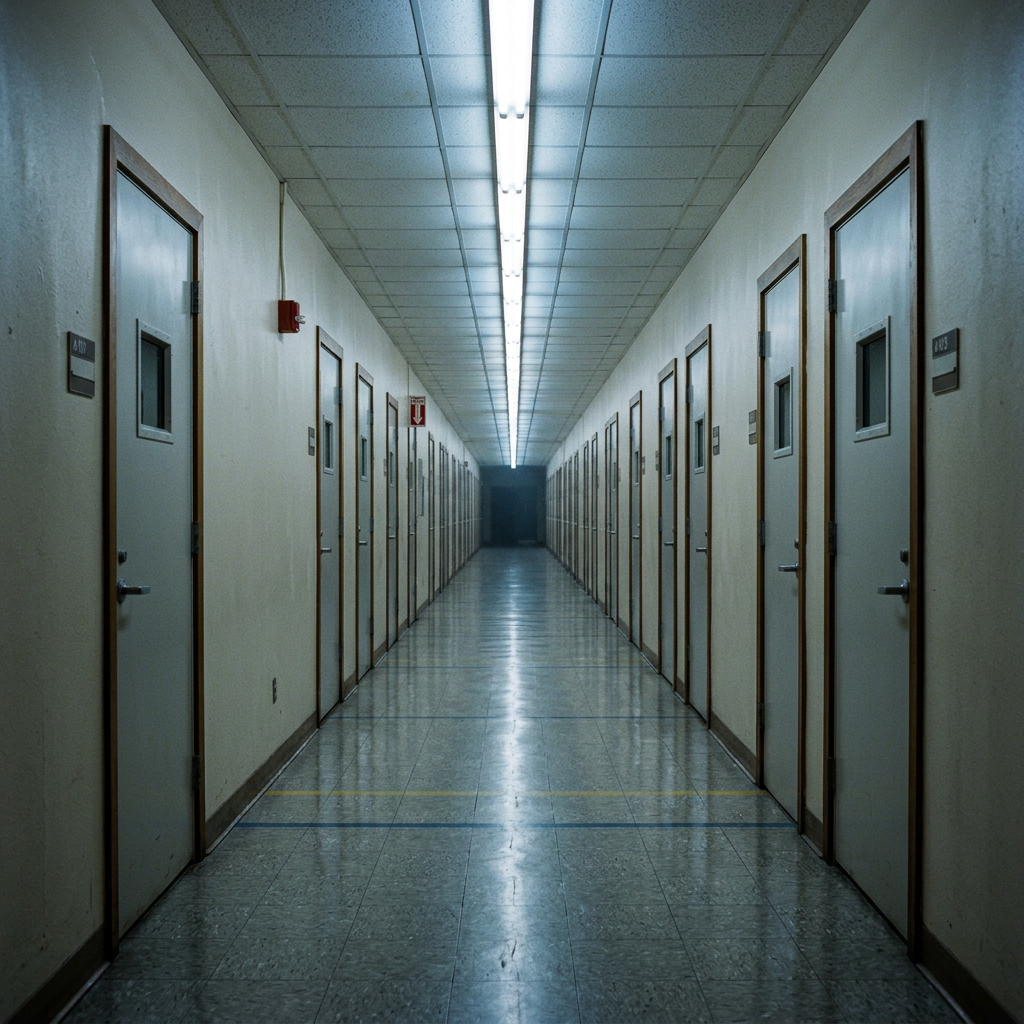
Understaffed Counseling Centers
Campus counseling centers are chronically understaffed — often with:
- too few therapists for thousands of students
- limited hours
- long intake processes
- strict session caps
- no specialized providers
- no trauma‑informed care
- no culturally competent clinicians
Many campuses operate at ratios of 1 counselor per 2,000–5,000 students.
That isn’t care.
It’s triage.
Students in crisis are told:
“We can get you in next month.”
Long Waitlists That Make Help Functionally Unavailable
Even when students reach out, they face:
- 4–12 week waitlists
- delayed intake appointments
- cancellations due to staffing shortages
- referrals to off‑campus providers they cannot afford
- “call back later” responses during peak stress periods
A waitlist is not mental health care.
It’s a barrier disguised as a service.
Session Caps That Punish Ongoing Needs
Many counseling centers limit students to:
- 3 sessions
- 6 sessions
- 8 sessions per semester
After that, students are told to:
- find off‑campus therapy
- pay out of pocket
- navigate insurance
- manage transportation
- wait for availability
Students with chronic conditions, trauma histories, or complex needs are pushed out of care entirely.
Punitive Withdrawal & Leave Policies
When students struggle, institutions often respond with punishment instead of support:
- forced medical withdrawals
- loss of housing
- loss of financial aid
- loss of scholarships
- loss of campus employment
- required documentation students cannot afford
- re‑entry processes that treat mental illness as misconduct
Students are told:
“If you’re too sick to perform, you’re too sick to stay.”
Mental health becomes grounds for removal.
Crisis Response Failures
Campus crisis systems often:
- rely on campus police instead of clinicians
- escalate situations instead of de‑escalating
- retraumatize students
- misinterpret neurodivergent behavior as threat
- lack trained crisis responders
- have no after‑hours support
Students in crisis are met with enforcement, not care.
Insurance Barriers
Even when students seek off‑campus therapy, they face:
- providers who don’t take student insurance
- high deductibles
- limited covered sessions
- out‑of‑network fees
- long travel distances
- inaccessible offices
Insurance becomes another gatekeeping mechanism.
Disabled & Neurodivergent Students Are Hit Hardest
Students with:
- ADHD
- autism
- bipolar disorder
- PTSD
- chronic illness
- dissociative disorders
- anxiety and depression
face:
- denied accommodations
- professors who don’t understand disability
- stigma
- retaliation
- inaccessible classrooms
- increased academic penalties
The mental health crisis is not evenly distributed.
It targets those already carrying the heaviest load.
Graduate Students: The Silent Casualties
Graduate students experience:
- poverty‑level stipends
- abusive advisors
- isolation
- overwork
- retaliation for speaking up
- no time for therapy
- no access to specialized care
Graduate students have some of the highest rates of:
- depression
- anxiety
- suicidality
- burnout
Yet their mental health needs are treated as “professional development challenges.”
The Academic Culture of Silence
Students learn quickly that:
- asking for help is seen as weakness
- professors may retaliate
- peers may judge
- accommodations may be denied
- withdrawal may cost financial aid
- mental illness may be used against them
Silence becomes survival.
Who Gets Hurt
The mental health crisis disproportionately harms:
- poor students
- disabled students
- neurodivergent students
- LGBTQ+ students
- students of color
- first‑generation students
- student parents
- rural students
- survivors of trauma
The students with the least support face the highest barriers to care.
Why Institutions Allow This
Fixing the crisis would require:
- hiring more clinicians
- expanding services
- reforming punitive policies
- training faculty
- reducing academic pressure
- acknowledging structural harm
Instead, institutions:
- offer “wellness workshops”
- send mass emails about self‑care
- host yoga events
- promote mindfulness apps
- shift responsibility onto students
It’s cheaper to blame individuals than to fix systems.
The Result
The mental health crisis in higher education:
- denies care
- delays treatment
- punishes illness
- increases dropout rates
- worsens academic outcomes
- reinforces inequality
- endangers students
- protects institutions instead of people
Students aren’t struggling because they’re weak.
They’re struggling because the system is designed to break them — and then blame them for breaking.
This crisis isn’t accidental.
It’s structural.
And it’s costing lives.
We Believe You


Apple Music
YouTube Music
Amazon Music
Spotify Music


Explore Mini-Topics
Leave a Reply