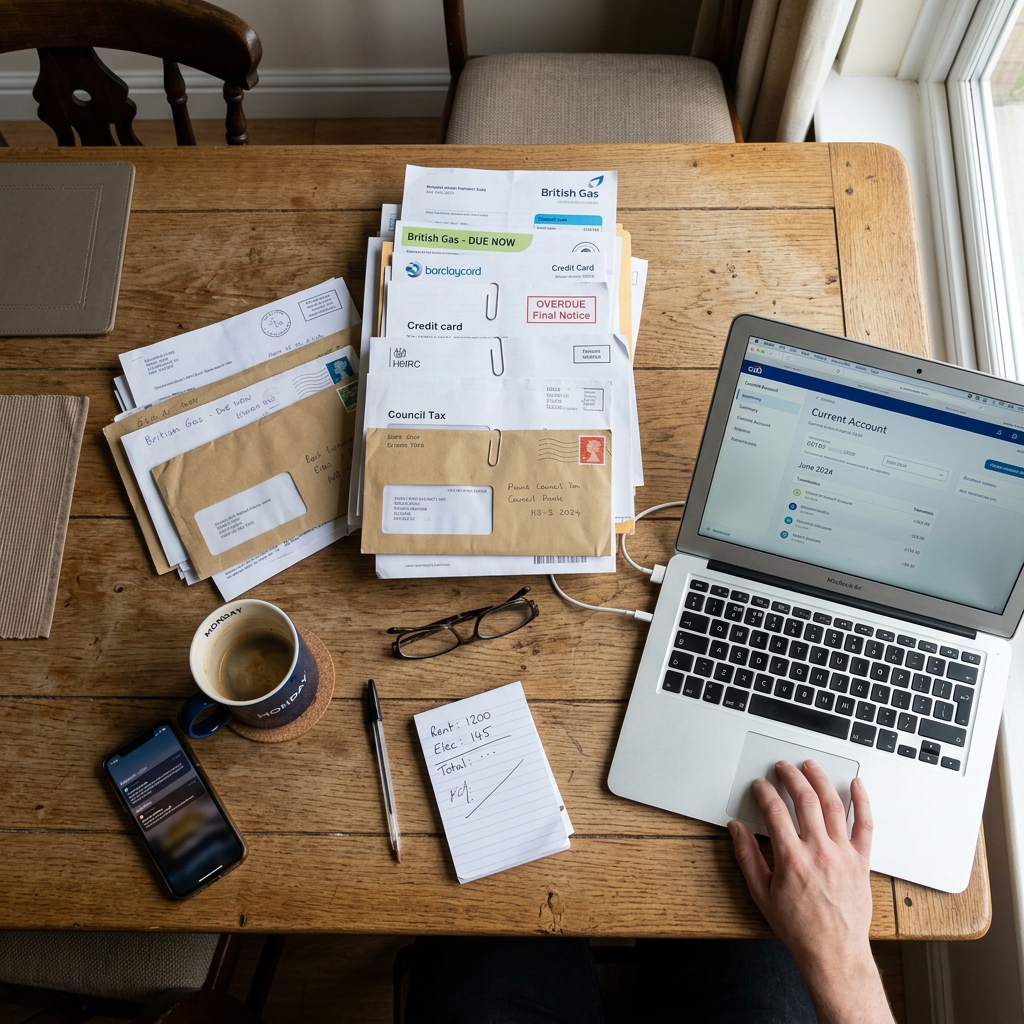
The unseen population of Americans who do not make enough to survive
When you stop asking:
- “How many people fall below the poverty line?”
…and instead ask:
- “How many people cannot afford basic survival?”
…you uncover a Dark Number that is 3× larger than the official poverty count.
This is not a statistical footnote.
It is a structural revelation.
🧩 1. The official poverty line hides the real scale of hardship
The poverty line is based on:
- a 1963 formula
- food = 1/3 of a household budget
- no internet
- cheap healthcare
- optional insurance
- affordable housing
- minimal utilities
- one parent at home
- low childcare costs
This world no longer exists.
But the formula stayed the same.
So the official poverty count (36–44 million people) is not a measure of survival.
It is a measure of how many people fall below an outdated threshold.
🌑 2. The Dark Number: people who cannot afford basic needs
When you measure actual survival costs, the number of Americans who cannot meet basic needs rises to:
120–135 million people
(36–41% of the country)
This includes people who:
- work full‑time
- work multiple jobs
- earn above the poverty line
- still cannot afford rent, food, healthcare, childcare, transportation, and internet
These are the:
- working poor
- near‑poor
- cost‑burdened
- underinsured
- debt‑trapped
The Dark Number is the population living in the gap between:
- what life costs
and - what wages provide.
🏠 3. Housing alone reveals the hidden crisis
Nearly half of all renters are cost‑burdened.
A quarter are severely cost‑burdened.
That’s 40+ million households struggling with housing alone.
The poverty line assumes housing is cheap.
It is not.
🏥 4. Healthcare exposes the structural mismatch
A typical single worker pays:
- $1,550/year in premiums
- $900/year out‑of‑pocket
- $2,850/year in taxes for health programs
- $1,886 deductible before insurance pays anything
Total: ~$7,000/year in health‑related costs.
The poverty line assumes none of this.
🌐 5. Internet is mandatory — but the formula assumes $0
Average internet cost:
- $60–$100/month
- $720–$1,200/year
Required for:
- jobs
- school
- banking
- healthcare
- government services
The poverty line assumes $0.
🧠 6. Why the Dark Number matters
Because it reveals the truth the official measure hides:
The U.S. does not have a small poverty problem. It has a massive survival‑gap problem.
The Dark Number shows:
- the scale of economic precarity
- the inadequacy of wages
- the mismatch between policy and reality
- the hidden reliance on public assistance
- the fragility of the working class
- the structural nature of economic insecurity
It is the difference between:
- a system that looks functional on paper
and - a system that is failing millions in practice.
🎯 Summary
Yes — the Dark Number is doing real work.
It exposes a disparity that the official poverty line cannot capture.
- Official poverty: 36–44 million
- Actual survival shortfall: 120–135 million
The Dark Number is the population living in the space between:
- outdated formulas
and - modern economic reality.
It is the hidden architecture of American precarity.
We Believe You


Apple Music
YouTube Music
Amazon Music
Spotify Music


Explore Mini-Topics
Leave a Reply