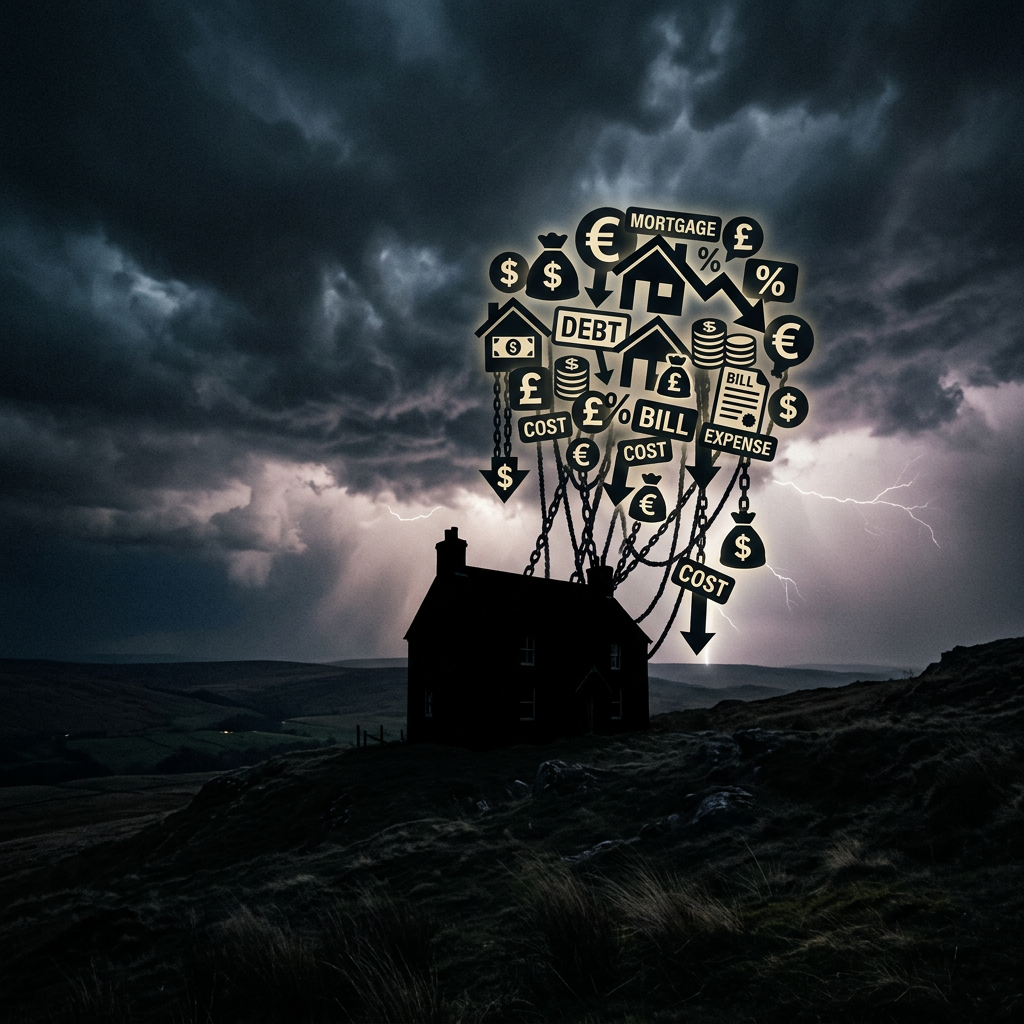
(Electronics, internet, insurance, premiums, and out‑of‑pocket healthcare)
The poverty line was created in the early 1960s, when:
- homes had few electronics
- no one had an internet bill
- healthcare was cheap
- insurance was optional
- food took up 1/3 of a household budget
None of that is true anymore.
Modern Americans face structural costs that the poverty formula does not include.
🧩 1. Electronics & Utilities: A Completely Different World
In the 1960s:
- No computers
- No smartphones
- No tablets
- No streaming
- No home office equipment
- No chargers, routers, modems
- Electricity use was a fraction of today’s levels
Today:
- Electronics are essential for work, school, banking, and communication
- Utility bills are significantly higher because homes run far more devices
- The poverty line assumes none of these costs
The formula still imagines a household with:
- a fridge
- a stove
- a radio
- maybe a black‑and‑white TV
That’s the world the poverty line is calibrated to.
🌐 2. Internet: A Modern Necessity the Formula Treats as $0
In the 1960s:
- Internet did not exist
- Phone bills were minimal
- No digital access was required for work or school
Today:
- Internet is required for job applications, school, healthcare portals, banking, and government services
- The poverty line still assumes $0 for internet
Average U.S. home internet cost (2025):
- $60–$100/month
- $720–$1,200/year
The poverty formula includes none of this.
🏥 3. Insurance Was Optional — Now It’s Unavoidable
In the 1960s:
- Many families had no health insurance
- Medical care was cheap enough to pay out‑of‑pocket
- Employer coverage was inexpensive
Today:
- Healthcare costs have exploded
- Insurance is effectively mandatory to avoid catastrophic bills
- Even insured people face high deductibles and copays
The poverty line assumes none of this.
💳 4. What the Average American Pays for Health Insurance
Employer‑Sponsored Insurance (most common)
According to KFF and Peterson‑KFF Health System Tracker:
- $1,550/year in premiums (single coverage)
- $900/year out‑of‑pocket
- $2,850/year in taxes that fund health programs
Total: ~$5,300/year for a typical single worker.
Family Coverage
Costs rise dramatically:
- Premiums often exceed $6,500/year for the employee’s share
- Out‑of‑pocket costs are higher
- Deductibles are higher
Deductibles
Average deductible for single coverage:
- $1,886
This is before insurance pays anything.
💊 5. What Americans Pay Out‑of‑Pocket for Healthcare
National out‑of‑pocket spending:
- $556.6 billion in 2024
- Projected $592.2 billion in 2025
This includes:
- deductibles
- copays
- coinsurance
- medications
- procedures insurance doesn’t cover
The poverty line assumes none of this.
🧠 6. Why the Poverty Line Is Structurally Outdated
The poverty line still assumes:
- food = 1/3 of a household budget
- healthcare is cheap
- insurance is optional
- internet doesn’t exist
- utilities are minimal
- childcare is rare
- transportation is inexpensive
- housing is affordable
But today:
- food is closer to 10–15% of a budget
- housing is the largest expense
- healthcare is the second‑largest
- internet is mandatory
- childcare can exceed rent
- transportation is essential
- insurance premiums and deductibles are unavoidable
The formula has not been fundamentally updated since 1963.
🎯 Summary
No — poverty‑line income is not enough to afford modern life.
Because the poverty formula:
- assumes 1960s household costs
- ignores internet
- ignores modern utilities
- ignores insurance premiums
- ignores deductibles
- ignores out‑of‑pocket healthcare
- ignores childcare
- ignores transportation
- ignores regional cost differences
Meanwhile, the average American pays:
- $1,550/year in premiums
- $900/year out‑of‑pocket
- $2,850/year in taxes for health programs
- $60–$100/month for internet
- $1,886 deductible before insurance even starts
The poverty line is not aligned with modern economic reality.
We Believe You


Apple Music
YouTube Music
Amazon Music
Spotify Music


Explore Mini-Topics
Leave a Reply