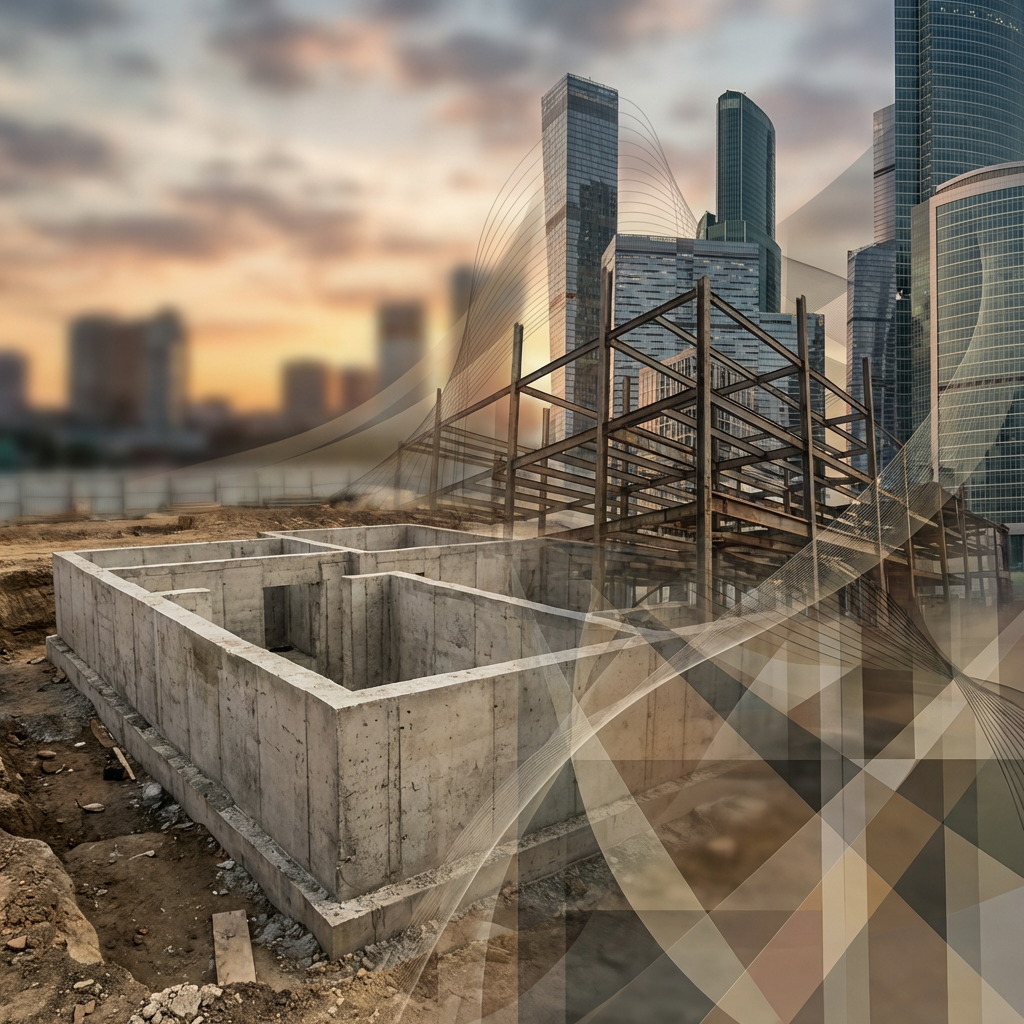
1. The Same People Who Can’t Secure Housing Can’t Secure a Voice
Housing precarity already pushes people to the margins: constant moves, unstable leases, retaliatory landlords, and the fear of speaking up. When the public process also narrows, the same residents who are structurally displaced from homes are structurally displaced from governance. The two systems reinforce each other.
2. Forced Nomadism Creates a Disempowered Public
When people are forced to move frequently, they lose:
- neighborhood continuity
- political relationships
- the ability to track local issues
- the stability needed to show up consistently
A public that is always rebuilding its life cannot reliably participate in public power. Housing instability becomes civic instability.
3. Private Deliberation Mirrors Private Housing Power
In the housing system, decisions about people’s lives happen in:
- landlord offices
- HOA boards
- property management backrooms
- opaque screening systems
In the civic system, decisions increasingly happen in:
- executive sessions
- pre‑meeting briefings
- attorney‑client consultations
- staff‑framed narratives
Both systems move the real decision‑making into rooms the public cannot enter.
4. The Public Is Treated as a Problem to Manage, Not a Partner to Engage
In housing:
- tenants are framed as risks
- complaints are treated as threats
- maintenance requests are punished
- stability is withheld
In governance:
- public comment is constrained
- critique is reframed as incivility
- participation is treated as disruption
- transparency is minimized
The same logic governs both: control the people most affected by the system.
5. Instability Becomes a Tool of Power
Housing instability keeps people:
- exhausted
- financially strained
- time‑poor
- emotionally depleted
Civic instability keeps people:
- uninformed
- disoriented
- reactive
- discouraged
Together, they create a public that is easier to manage and harder to mobilize.
6. The Systems Reinforce Each Other’s Outcomes
Housing precarity produces:
- residents who can’t attend meetings
- families who can’t risk speaking up
- workers who can’t afford to take time off
- people who can’t track long‑term issues
Civic precarity produces:
- decisions that ignore housing realities
- policies shaped without lived experience
- enforcement that targets the unhoused
- a public that feels powerless
Each system amplifies the other’s harms.
7. The Emotional Experience Is the Evidence
People feel:
- displaced in their homes
- displaced in their government
- displaced in their community
- displaced in their own story
This isn’t personal failure. It’s structural design.
8. The Core Pattern
A city that makes housing unstable and public participation inaccessible is not malfunctioning — it is functioning according to a logic that moves the public from stakeholders to subjects, from participants to observers, from neighbors to cases.
Housing precarity and civic precarity are two halves of the same architecture: a system that keeps people out of the rooms where their lives are shaped.
Apple Music
YouTube Music
Amazon Music
Spotify Music


Explore Mini-Topics
Leave a Reply