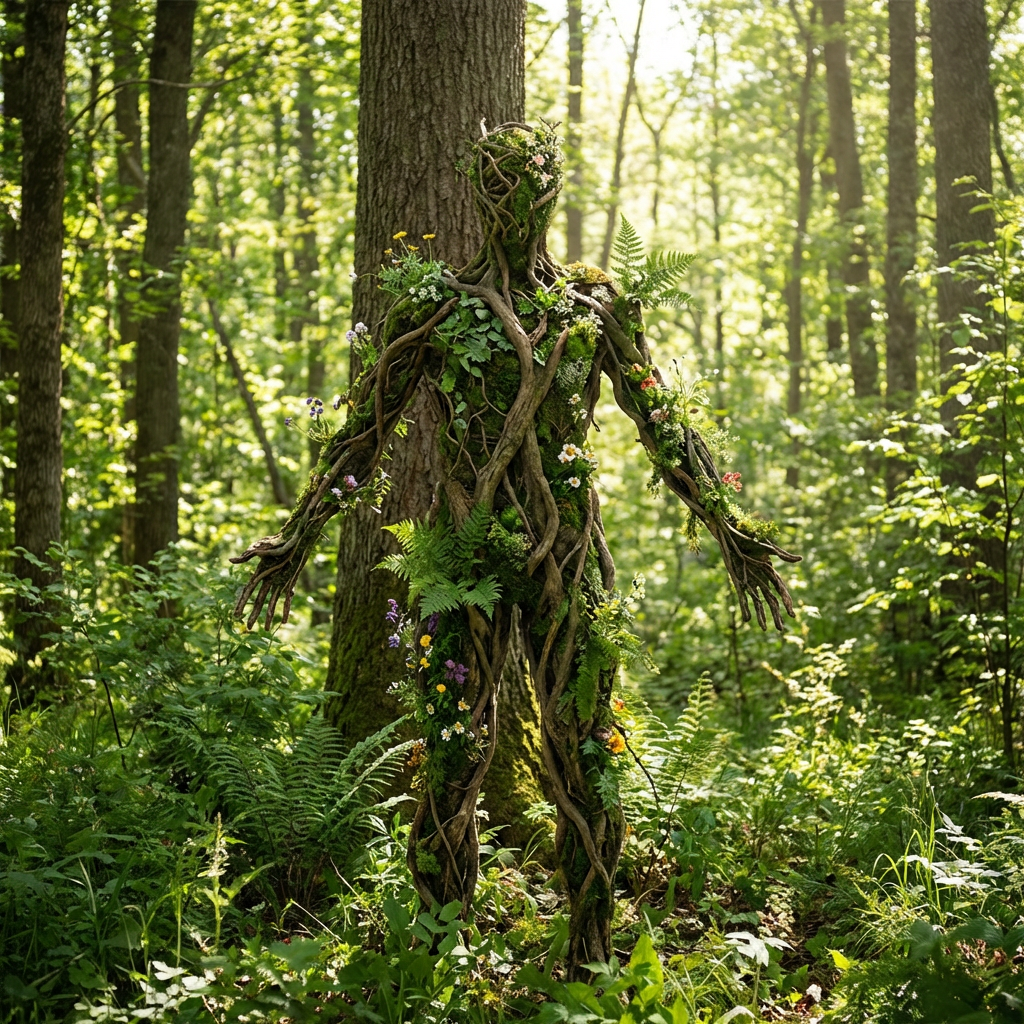
A Canonical Guide to the Discipline of Rhythm, Relation, and the Many‑in‑Relation
Table of Contents
- What Is Pluriology?
- Why Pluriology Exists
- The Core Premise
- The Pluriome
- Pluriogenic Modes
- Pluriogenic Disturbances
- The Repair Cascade
- The Pluriological Method
- Pluriological Cartography
- Applications Across Human Experience
- Ethics of the Discipline
- Key Concepts & Definitions
- Foundational Texts
- Frequently Asked Questions
- Further Reading
1. What Is Pluriology?
Pluriology is a discipline that studies human experience as rhythmic, relational, and ecological.
It rejects individualism, pathology, and linear explanations, replacing them with a model where meaning emerges from the many‑in‑relation — the dynamic interplay of people, environments, histories, and internal worlds.
Pluriology is not metaphor.
It is a field, a coherent architecture for reading human life through rhythm, coherence, and relation.
2. Why Pluriology Exists
Existing frameworks — psychological, sociological, anthropological — each describe fragments of human experience.
But none explain:
- why people shift modes across contexts
- why coherence rises and falls rhythmically
- why disturbances repeat across relationships
- why creativity, identity, and meaning behave like ecosystems
- why repair follows predictable cycles
Pluriology provides the missing relational ecology.
3. The Core Premise
Pluriology rests on three foundational truths:
A. Humans are plurallile — many‑in‑relation.
The self is not singular; it is rhythmic, layered, and relational.
B. Experience is ecological.
Meaning emerges from the interplay of internal and external fields.
C. Rhythm is the unit of analysis.
Modes, disturbances, and repair follow predictable cycles.
4. The Pluriome
The Pluriome is the relational medium in which human experience unfolds.
It includes:
- internal states
- interpersonal dynamics
- environmental pressures
- cultural rhythms
- historical patterns
The Pluriome is not a container — it is a living field.
5. Pluriogenic Modes
Human experience moves through four rhythmic modes:
- Resonance — coherence, clarity, connection
- Expansion — creativity, insight, generativity
- Contraction — pressure, overwhelm, narrowing
- Reset — stillness, recalibration, reorientation
Modes are not moods.
They are rhythmic states of the field.
6. Pluriogenic Disturbances
Disturbances occur when a mode cannot complete its cycle.
Common disturbances include:
- coherence breaks
- relational pressure spikes
- narrative distortion
- pattern repetition
- ecological mismatch
- boundary collapse
Disturbances are not failures — they are signals.
7. The Repair Cascade
Repair is the process by which coherence restores itself.
The Repair Cascade includes:
- recognition
- re‑anchoring
- recalibration
- reintegration
- re‑coherence
Repair is rhythmic, not linear.
It follows the logic of the field, not the logic of willpower.
8. The Pluriological Method
Pluriology uses a non‑pathologizing method of observation:
- rhythmic tracking
- mode identification
- disturbance mapping
- ecological reading
- coherence sensing
- relational diagnostics
- pattern cartography
The method is descriptive, not clinical.
It teaches people to see.
9. Pluriological Cartography
Cartography is the mapping of:
- rhythms
- modes
- disturbances
- coherence cycles
- relational patterns
- ecological pressures
- temporal arcs
Pluriological maps reveal the shape of a life, a relationship, a community, or a system.
10. Applications Across Human Experience
Creativity
Understanding creative cycles as rhythmic, not motivational.
Work
Reading burnout, flow, and collaboration as field dynamics.
Relationships
Seeing patterns as ecological, not personal.
Identity
Understanding selfhood as plurallile — layered, rhythmic, relational.
Collective Life
Mapping how communities move through coherence and disturbance.
11. Ethics of the Discipline
Pluriology is grounded in:
- non‑pathologizing interpretation
- relational honesty
- ecological humility
- coherence over control
- rhythm over rigidity
- witnessing over diagnosing
Ethics are not an add‑on — they are the architecture.
12. Key Concepts & Definitions
Pluriome
The relational medium of human experience.
Plurallile Self
The many‑in‑relation nature of identity.
Mode
A rhythmic state of the field.
Disturbance
A disruption in the rhythmic cycle.
Repair Cascade
The process by which coherence restores itself.
Ecological Fit
The alignment between a person and their relational environment.
Rhythmic Literacy
The ability to read modes, cycles, and coherence.
13. Foundational Texts
(Link each title to its post)
- The Emergence of Pluriology
- The Pluriome
- Pluriogenic Modes
- Pluriogenic Disturbances
- The Repair Cascade
- The Pluriological Method
- Pluriological Cartography
- The Pluriological Ethics
- The Pluriological Lexicon
- The Pluriological Blueprint
- The Pluriological Manifesto
- The Pluriological Curriculum
- The Pluriological Institute
- The Pluriological Future Archive
- The Pluriological Creation Story
14. Frequently Asked Questions
Is Pluriology therapy?
No. It is a relational discipline that can inform healing but is not a clinical model.
Is Pluriology spiritual?
No. It is ecological and structural, not metaphysical.
Is Pluriology compatible with psychology?
Yes — it expands the frame rather than replacing it.
Can Pluriology be practiced alone?
Yes, but it becomes more powerful in community.
15. Further Reading
Link to:
- Relational Field Theory
- Relational Anthropology
- Episkevology
- The Panthenogenesis of Power
- The Unified Architecture of Control
- Survivor Literacy
- Multi‑Agent Field Theory
Canonical URL
Explore: Pluriology
Explore Mini-Topics


