“Even in Loveland’s ‘Best’ Neighborhoods, You’re One Notice Away From Losing Everything”
People assume that once you make it into a “good neighborhood,” the instability stops.
That the rules get kinder.
That the landlords get more reasonable.
That the HOA becomes a friendly reminder instead of a threat.
That the home itself becomes a shield against the chaos you’ve survived.
But in Loveland, the opposite is true.
The nicer the neighborhood, the more sophisticated the mechanisms of control.
The higher the rent, the higher the expectations.
The more beautiful the home, the more invisible your struggle is expected to be.
A “good neighborhood” doesn’t protect you from forced nomadism.
It just hides the machinery behind manicured lawns and polite emails.
The Neighborhood That Wasn’t Ours
Georgetown Court looked like the kind of place where families thrive:
- kids on scooters
- neighbors who wave
- quiet streets
- clean sidewalks
- well‑kept homes
But none of that belonged to us.
We were allowed to live there, but only conditionally — only as long as we met standards that were impossible to meet, only as long as we absorbed the cost of maintaining someone else’s investment, only as long as we stayed silent, compliant, and invisible.
The neighborhood wasn’t a community.
It was a performance.
The HOA as an Enforcement Arm
In a “good neighborhood,” the HOA becomes the front line of displacement.
They don’t need to yell.
They don’t need to threaten.
They don’t need to be cruel.
They just send:
- violation letters
- warnings
- fines
- “friendly reminders”
- notices of non‑compliance
- escalating threats
And because the HOA isn’t technically the landlord, they can enforce standards without ever being accountable for the consequences.
The HOA pressures the landlord.
The landlord pressures the tenant.
The tenant absorbs the fallout.
It’s a chain of command designed to keep the neighborhood pristine — even if it means pushing families out.
The Yard That Could Never Be “Good Enough”
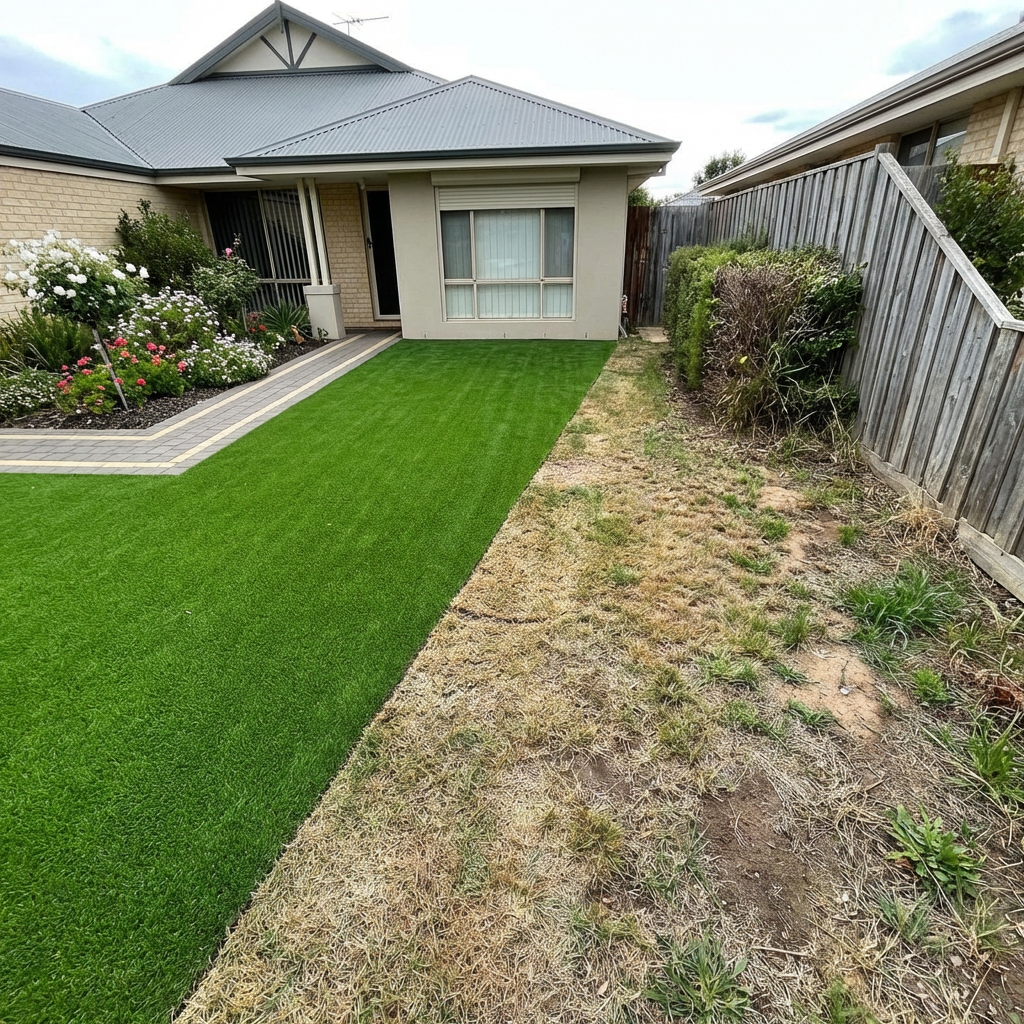
The yard was the perfect example.
We inherited:
- a vole infestation
- dead patches
- soil upheaval
- years of neglect
But the HOA didn’t care about the history.
They cared about the appearance.
Every letter said the same thing:
- “Not green enough.”
- “Not maintained to community standards.”
- “Needs immediate attention.”
It didn’t matter that the problem was structural.
It didn’t matter that we were trying.
It didn’t matter that the issue predated us.
In a “good neighborhood,” the yard isn’t just grass.
It’s a compliance test.
The Showings That Turned Our Home Into a Stage
When the owner decided to sell, the home became a product again.
And we became the unpaid labor behind it.
Every showing required:
- deep cleaning
- staging
- hiding our lives
- leaving the house
- managing a child
- losing work hours
- losing privacy
And every showing was another opportunity for the property manager to inspect, document, and judge.
In a “good neighborhood,” your home is never fully yours.
It’s always on display.
The Social Pressure
Living in a nicer neighborhood didn’t just change the rules.
It changed the expectations.
People assume:
- you’re doing well
- you’re financially stable
- you’re secure
- you’re thriving
So when you’re struggling — financially, emotionally, physically — you can’t show it.
You can’t ask for help.
You can’t be visible.
The neighborhood’s beauty becomes a mask you’re forced to wear.
The Partner Dynamic Intensifies
The nicer the home, the more it became part of his identity.
A “good neighborhood” meant:
- more pressure to perform success
- more pressure to keep everything perfect
- more pressure to justify the cost
- more pressure to hide the instability underneath
The home wasn’t just a place to live.
It was a symbol he needed to maintain.
And the labor of maintaining that symbol fell on me.
The Quiet Violence of Conditional Belonging
This is the part people don’t see:
In a “good neighborhood,” you don’t belong. You’re tolerated.
You’re allowed to stay as long as:
- your lawn is perfect
- your home is spotless
- your car is clean
- your child is quiet
- your life is invisible
- your presence doesn’t disrupt the aesthetic
The moment you slip — the moment you struggle, the moment you need time, the moment you need grace — the system activates.
Not with shouting.
Not with threats.
But with letters, fines, notices, and procedures.
The violence is quiet.
But it’s still violence.
Why This Matters
People often say:
- “If they’re homeless, they must have made bad choices.”
- “If they’re struggling, they should move somewhere cheaper.”
- “If they can’t afford it, they shouldn’t live there.”
But the truth is:
Forced nomadism doesn’t start in poverty. It starts in the middle.
It starts in the neighborhoods where people think they’re safe.
It starts in the homes that look stable from the outside.
It starts in the leases that look professional.
It starts in the HOAs that look harmless.
It starts in the rules that look reasonable.
A “good neighborhood” doesn’t protect you from displacement.
It just delays it — and makes the fall harder when it comes.
In Episode 8, we shift from housing to employment — because in Loveland, the instability in your home and the instability in your job are part of the same system.
Apple Music
YouTube Music
Amazon Music
Spotify Music


Explore Mini-Topics
Leave a Reply