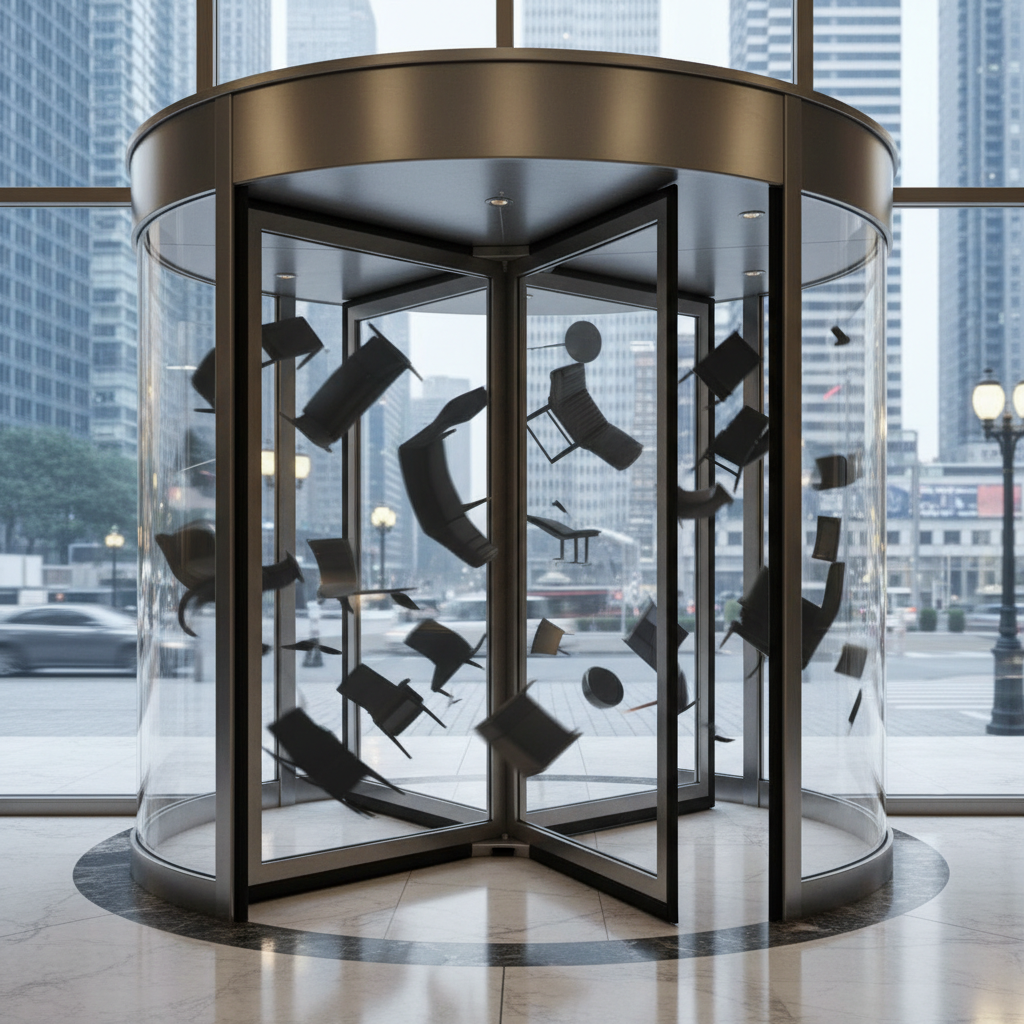
Episode 1: Forced Nomadism — The Hidden Engine of Loveland
“Loveland Isn’t ‘Affordable’ or ‘Safe’ — It’s Designed to Keep You Moving”
Most people think of “moving” as a choice.
You save up, you plan, you pick a new place, you upgrade or downsize. That story exists—but it’s not the story most renters in Loveland are living. For a growing number of people here, moving isn’t a decision. It’s something that happens to them, again and again, whether they can afford it or not.
That’s forced nomadism.
Forced nomadism is what happens when the housing system is built in a way that keeps people from ever really settling. You’re allowed to live somewhere just long enough to get attached, invest in it, stabilize your kids, learn the neighborhood—and then the ground shifts under you.
In Loveland, that shift doesn’t look like a single dramatic event. It looks like:
- a non‑renewal notice with no explanation
- a sudden rent increase that pushes you over the edge
- a landlord deciding to sell and turning your home into a showroom
- an HOA sending you $50 fines all summer for a lawn you didn’t destroy
- a property manager threatening eviction over a utility paperwork gap
- a lease that lets them enter, inspect, and photograph your home at will
Each one of these, on its own, can be framed as “policy,” “procedure,” or “just business.”
Put together, they form a system that keeps people moving whether they want to or not.
For renters, that means:
- months of packing and unpacking
- U‑Hauls and storage units
- hotel rooms between leases
- new deposits, new application fees, new credit checks
- missed work, missed school, missed medical care
- starting over with every move—new routes, new neighbors, new stress
For people already on the edge, it means something even harsher: one bad month, one notice, one fine, one job loss, one medical event—and there is nowhere left to go.
The key thing to understand is this: Loveland’s housing system does not treat stability as the goal.
Turnover is profitable.
Every move generates:
- new fees
- new inspections
- new cleaning charges
- new “violations” to bill
- new chances to raise the rent
Long‑term tenants—people who know the property, know the neighborhood, know their rights—are not the ideal customer in this model. They’re harder to push around. They ask questions. They expect repairs. They resist.
So the system quietly rewards churn instead.
That’s why so many people in Loveland can tell you some version of the same story:
“We were good tenants. We paid on time. Then the owner decided to sell.”
“We got non‑renewed for ‘no reason.’”
“The HOA wouldn’t leave us alone.”
“They almost evicted us over a utility transfer.”
“We did everything right. It still wasn’t enough.”
If you’re housed right now, this might sound like a warning.
If you’re unhoused, it probably sounds familiar.
Because the truth is: the line between “housed” and “homeless” in Loveland is much thinner than people want to admit.
The same forces that pushed one family from trailer to duplex to single‑family rental are the forces that push someone else from motel to car to tent. The same landlords, the same property managers, the same HOAs, the same city policies that make it impossible to stay put are the ones that make it impossible to get back in once you’re out.
When the city talks about homelessness, it often sounds like a separate issue—something happening “over there,” to “those people.” But homelessness in Loveland is not a separate crisis. It is the visible tip of the same machine that quietly displaces renters who still technically have an address.
Forced nomadism is the missing language.
It names what’s happening when:
- you move three times in five years and none of it was your choice
- your rental history is full of “non‑renewals” that weren’t about your behavior
- you’re constantly one notice away from losing your home
- you’re spending more time surviving your housing than living in it
This series, Surviving Loveland, starts here because you can’t understand the encampments, the motel families, the people sleeping in cars, or the “no camping” ordinances until you understand this: Loveland is designed to keep people moving.
Not everyone.
Not equally.
But predictably.
And once you see that pattern, you can’t unsee it.
In the next episodes, we’ll walk through specific homes, leases, property managers, and neighborhoods—not as isolated horror stories, but as case studies in how forced nomadism is produced, enforced, and normalized in this city.
Apple Music
YouTube Music
Amazon Music
Spotify Music


Explore Mini-Topics
Leave a Reply