“The Georgetown Illusion: When a Beautiful Home Becomes a Financial Trap”
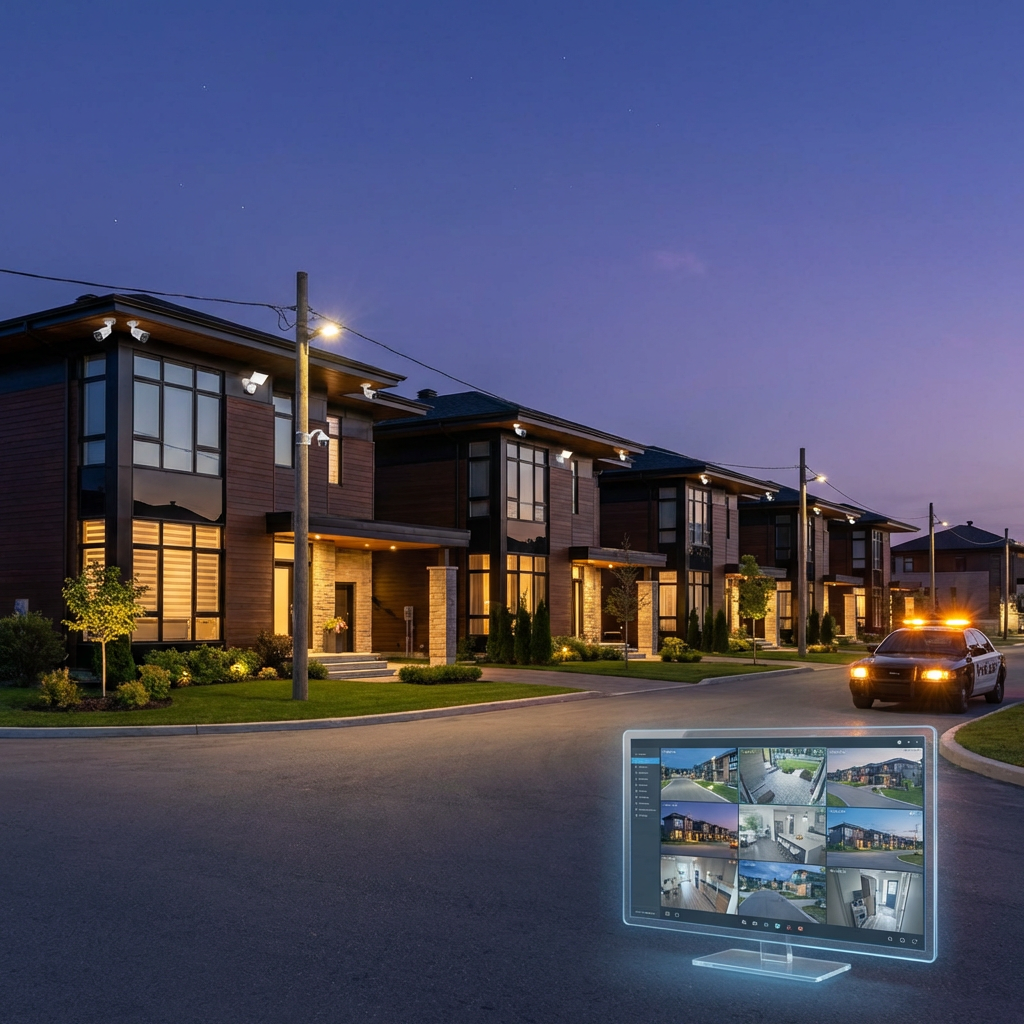
From the outside, Georgetown Court looked like the dream we had been chasing for years. A clean, quiet neighborhood. A spacious home. A garage. A yard that didn’t back up to a highway. A place where kids rode bikes and neighbors waved. A place that finally matched the version of “stability” we had been trying to build.
It was the most beautiful home we had ever lived in.
And it was the most violent.
Not violent in the way people imagine — not loud, not chaotic, not visibly dangerous. The violence here was structural, procedural, aesthetic. It was the kind of violence that hides behind granite countertops and vaulted ceilings. The kind that looks like success from the outside and feels like surveillance from the inside.
The Price of the Illusion
The rent was $2,760 a month.
The deposit was $4,125.
The application fees, pet fees, and administrative fees stacked on top.
We paid it because we believed — or needed to believe — that this was the turning point. That after years of instability, we had finally reached a place where we could rest.
But the price wasn’t just financial.
It was psychological.
It was relational.
It was physical.
It was constant.
The HOA as a Private Government
In Georgetown, the HOA wasn’t a background detail.
It was the governing body of our daily life.
They controlled:
- the lawn
- the weeds
- the trash cans
- the parking
- the exterior appearance
- the timing of yard work
- the definition of “acceptable”
And they enforced it through:
- drive‑by inspections
- anonymous complaints
- violation letters
- fines
- threats of escalation
The home was beautiful, but the rules were suffocating.
Every blade of grass felt like a test.
Every weed felt like a warning.
Every letter felt like a countdown.
The Vole Problem We Inherited
The yard had a vole infestation — tunnels, holes, dead patches, soil upheaval. It was a structural issue, not a tenant issue. It predated us by years.
But the lease didn’t care.
The HOA didn’t care.
The property manager didn’t care.
We were responsible for:
- the lawn
- the weeds
- the appearance
- the “health” of the yard
Even though the problem was literally underground.
We spent money on treatments, traps, soil repair, seed, fertilizer — none of it mattered. The voles kept coming. The HOA kept sending letters. The property manager kept forwarding threats.
The violation wasn’t the yard.
The violation was our presence.
The Forced Perfection
When the owner decided to sell, the home became a product again.
And we became the unpaid labor behind it.
Every showing required:
- deep cleaning
- staging
- hiding our belongings
- leaving the house
- managing a child
- managing a partner
- losing work hours
- losing privacy
- losing control
And every showing was another opportunity for the property manager to inspect, document, and judge.
We weren’t tenants.
We were props.
The Partner Dynamic
The beauty of the home amplified the pressure inside the relationship.
A nicer home meant:
- more pressure to perform stability
- more pressure to keep everything perfect
- more pressure to maintain appearances
- more pressure to justify the cost
- more pressure to hide the instability underneath
The home became part of his identity.
The neighborhood became part of his self‑worth.
The rent became part of the emotional economy of the relationship.
And the burden of maintaining the illusion fell on me.
The Violence of Aesthetics
This is the part people don’t understand:
the nicer the home, the harsher the expectations.
In low‑income housing, the violence is visible.
In high‑end rentals, the violence is aesthetic.
It looks like:
- strict HOA rules
- punitive landscaping standards
- forced showings
- retaliatory non‑renewals
- escalating rent
- impossible expectations
- zero tolerance for imperfection
It looks like a beautiful home that demands your time, your money, your labor, your compliance — and punishes you when you fall short.
The Emotional Cost of Beauty
Living in Georgetown meant living with:
- constant anxiety
- constant surveillance
- constant pressure
- constant fear of notices
- constant fear of fines
- constant fear of losing the home we worked so hard to get
It meant learning that beauty can be a trap.
It meant learning that aesthetics can be weaponized.
It meant learning that the system doesn’t get kinder as you climb — it gets more sophisticated.
Why This Matters
People assume that if someone lives in a “nice” home, they must be stable.
They must be doing well.
They must be safe.
But the truth is:
Forced nomadism doesn’t disappear when you move into a nicer neighborhood. It just becomes harder to see.
The Georgetown home was the most beautiful place we ever lived.
It was also the place where the system extracted the most from us.
This wasn’t an escape from instability.
It was the most polished version of it.
In Episode 7, we look at how forced nomadism operates even in Loveland’s “best” neighborhoods — and how the system prepares to displace you long before you realize what’s happening.
Apple Music
YouTube Music
Amazon Music
Spotify Music


Explore Mini-Topics
Leave a Reply