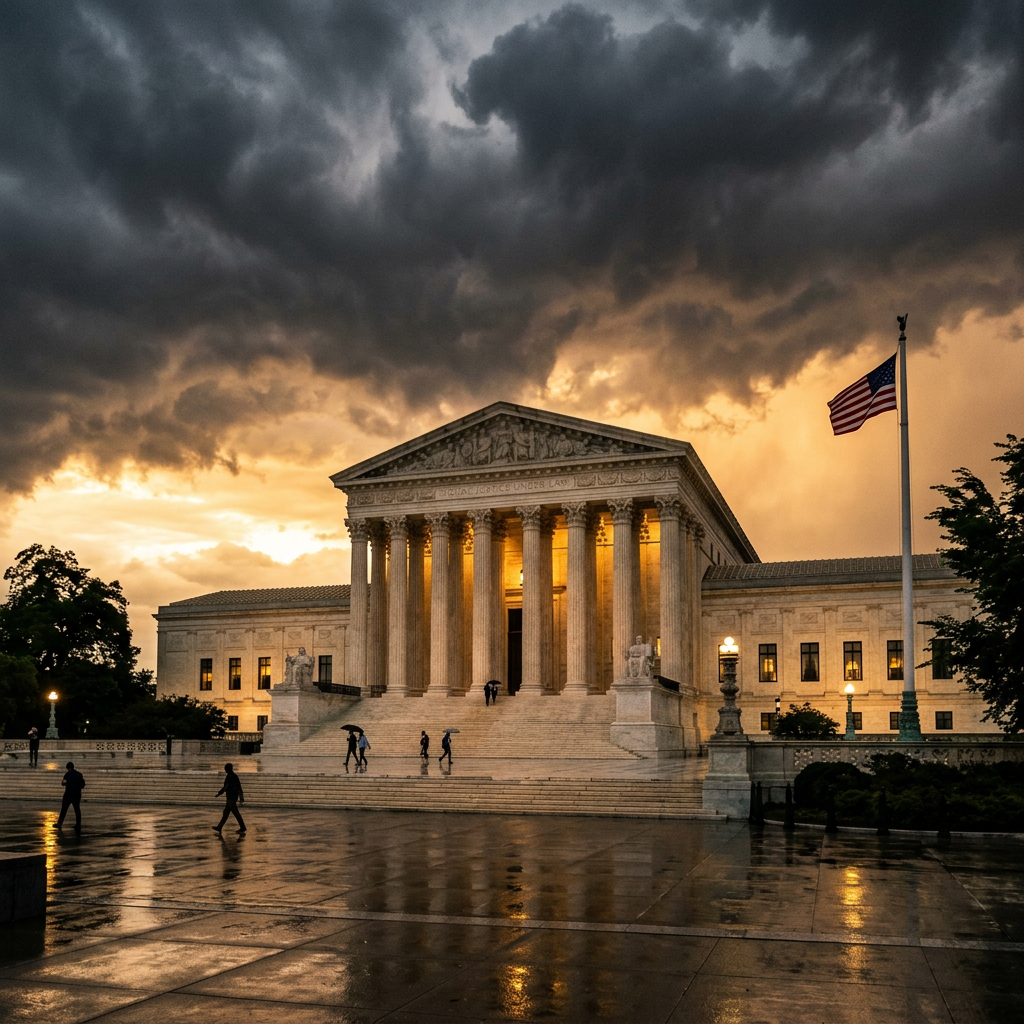
Summary
The Voting Rights Act of 1965 (VRA) has been systematically weakened by a series of Supreme Court decisions from 2013–2026. The law still exists on paper, but its core enforcement mechanisms—especially those preventing racial discrimination in voting—have been largely dismantled.
1. 2013 — Shelby County v. Holder
- Struck down Section 4(b), the formula determining which jurisdictions required federal preclearance before changing voting laws.
- Without the formula, Section 5 became inoperable, removing the VRA’s strongest proactive protection.
2. 2021 — Brnovich v. DNC
- Narrowed how Section 2 could be used to challenge discriminatory voting rules.
- Raised the bar for proving discriminatory effects, making challenges more difficult.
3. 2026 — Louisiana v. Callais
- The Court ruled that Louisiana’s creation of a second majority‑Black district was an unconstitutional racial gerrymander.
- The majority held that compliance with Section 2 cannot justify race‑conscious redistricting, effectively making Section 2 nearly impossible to use.
- Justice Kagan’s dissent described the ruling as “eviscerating” Section 2.
- Legal scholars widely interpret this as the collapse of the VRA’s last major functional pillar.
4. What Remains
- Section 2 still exists, but with a much higher burden of proof—often requiring evidence of intentional discrimination.
- Language‑minority protections and other smaller provisions remain but are reactive and limited.
- Congress has not passed a new preclearance formula (e.g., the John Lewis Voting Rights Advancement Act).
Bottom Line
The Voting Rights Act has been functionally dismantled through judicial decisions. Its preventive mechanisms are gone, and its remaining tools are significantly weakened. The law’s symbolic presence remains, but its practical power to stop racial discrimination in voting has been dramatically reduced.
We Believe You


Apple Music
YouTube Music
Amazon Music
Spotify Music


Explore Mini-Topics
Leave a Reply