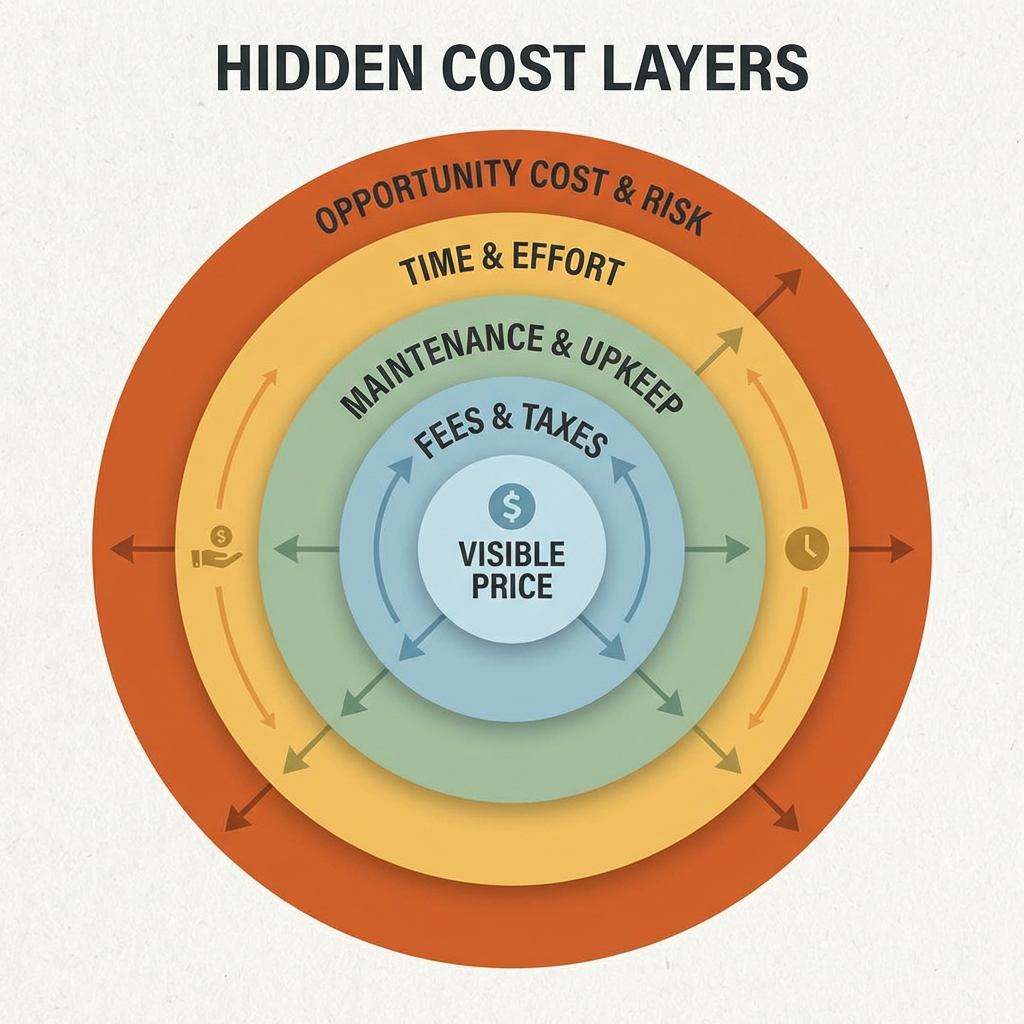
Tool for Reading the Cost of Entry in Any Relationship or Institution
How to Identify the Explicit, Implicit, and Shadow Requirements You Must Meet to Belong, Be Accepted, or Stay Safe in Any Relational or Institutional System
Purpose
To give you a structural method for identifying the cost of entry — the emotional, behavioral, cognitive, or identity‑level price you must pay to participate in a relationship, group, workplace, family, or institution. This tool reveals the hidden rules, unspoken expectations, and relational economics that determine whether the cost is fair, sustainable, or extractive.
When to Use It
- You feel drained, contorted, or overextended in a relationship or institution.
- You sense you’re paying more than you’re receiving.
- You feel like you must shrink, perform, or self‑erase to belong.
- You want to understand the relational or institutional field without self‑blame.
- You want to know whether the cost is worth the return.
How It Works
Every relationship and institution has a cost of entry, composed of:
- explicit rules
- implicit expectations
- shadow demands
- emotional labor
- identity performance
- behavioral compliance
- power‑based concessions
This tool teaches you to read the cost clearly.
Step 1 — Identify the Explicit Costs
Explicit costs are the stated rules of participation.
Examples:
- time commitments
- financial contributions
- job duties
- attendance requirements
- communication expectations
Explicit costs are rarely the problem.
They are the visible part of the economy.
Step 2 — Identify the Implicit Costs
Implicit costs are the unspoken expectations you learn through experience.
Ask:
- What do I have to do to stay in good standing?
- What do I have to avoid?
- What gets rewarded?
- What gets punished?
Implicit costs include:
- being agreeable
- not challenging authority
- absorbing others’ emotions
- being available on demand
- performing gratitude
Implicit costs reveal the real rules.
Step 3 — Identify the Shadow Costs
Shadow costs are the hidden, often unconscious demands of the system.
Shadow costs include:
- suppressing anger
- hiding intelligence
- minimizing needs
- tolerating misattunement
- accepting unfairness
- carrying others’ emotional labor
- performing stability
Shadow costs are the most expensive.
Step 4 — Identify the Identity Costs
Identity costs require you to shrink or distort who you are.
Ask:
- What parts of myself must I hide?
- What parts must I exaggerate?
- What parts are unwelcome here?
Identity costs include:
- muting your voice
- abandoning your boundaries
- performing a role
- masking your sensitivity
- downplaying your brilliance
Identity costs are the price of belonging in unhealthy systems.
Step 5 — Identify the Emotional Costs
Emotional costs are the energy expenditures required to maintain the relationship or institution.
Examples:
- managing someone’s volatility
- regulating the emotional climate
- absorbing stress
- initiating repair
- being the stable one
- avoiding conflict
Emotional costs reveal the relational economy.
Step 6 — Identify the Cognitive Costs
Cognitive costs are the mental distortions required to stay.
Examples:
- rationalizing bad behavior
- minimizing harm
- explaining away misattunement
- gaslighting yourself
- pretending things are fine
Cognitive costs reveal the psychological price.
Step 7 — Identify the Boundary Costs
Boundary costs show where you must overextend or collapse.
Ask:
- What boundaries do I lose here?
- What boundaries am I not allowed to set?
- What boundaries get punished?
Boundary costs reveal the power geometry.
Step 8 — Identify the Pace Costs
Pace costs show whether the system respects your nervous system.
Ask:
- Do I have to move faster than I can?
- Do I have to slow down unnaturally?
- Do I have to match someone else’s volatility?
Pace costs reveal misattunement.
Step 9 — Identify the Role Costs
Role costs show the relational position you are required to occupy.
Common roles:
- The Responsible One
- The Fixer
- The Gratitude Machine
- The Emotional Container
- The One Who Must Not Break
- The One Who Must Not Need
Role costs reveal the relational script.
Step 10 — Identify the Power Costs
Power costs show what you must surrender to stay in the system.
Ask:
- What power do I lose?
- What autonomy do I give up?
- What decisions do I no longer control?
Power costs reveal the hierarchy.
Step 11 — Identify the Sustainability Threshold
The cost of entry is only a problem if it exceeds your capacity.
Ask:
- Is this cost fair?
- Is this cost reciprocal?
- Is this cost acknowledged?
- Is this cost adjustable?
- Is this cost sustainable?
Unsustainable costs signal structural harm.
Step 12 — Identify the True Cost of Participation
The final step is integrating the data.
Ask:
- What is the total cost of entry?
- What is the return on investment?
- What is the emotional, identity, and energetic price?
- What would happen if I stopped paying?
- What does my body say about this cost?
The truth appears when you stop rationalizing and start reading the field.
What This Tool Reveals
- Every relationship and institution has a cost of entry.
- The most expensive costs are hidden, not stated.
- Identity, emotional, and boundary costs matter more than explicit rules.
- Shadow costs reveal the system’s true nature.
- Sustainability is the real metric.
- You are allowed to decide the cost is too high.
- Your body is the most accurate accountant.
Field Impact
Using this tool:
- increases clarity
- reduces self‑blame
- exposes hidden demands
- strengthens boundaries
- reveals relational truth
- protects your energy
- helps you choose aligned relationships and institutions
- restores your sovereignty
Reading the cost of entry is not cynicism.
Reading the cost of entry is self‑respect.Tool for Reading the Cost of Entry in Any Relationship or Institution
How to Identify the Explicit, Implicit, and Shadow Requirements You Must Meet to Belong, Be Accepted, or Stay Safe in Any Relational or Institutional System
Purpose
To give you a structural method for identifying the cost of entry — the emotional, behavioral, cognitive, or identity‑level price you must pay to participate in a relationship, group, workplace, family, or institution. This tool reveals the hidden rules, unspoken expectations, and relational economics that determine whether the cost is fair, sustainable, or extractive.
When to Use It
- You feel drained, contorted, or overextended in a relationship or institution.
- You sense you’re paying more than you’re receiving.
- You feel like you must shrink, perform, or self‑erase to belong.
- You want to understand the relational or institutional field without self‑blame.
- You want to know whether the cost is worth the return.
How It Works
Every relationship and institution has a cost of entry, composed of:
- explicit rules
- implicit expectations
- shadow demands
- emotional labor
- identity performance
- behavioral compliance
- power‑based concessions
This tool teaches you to read the cost clearly.
Step 1 — Identify the Explicit Costs
Explicit costs are the stated rules of participation.
Examples:
- time commitments
- financial contributions
- job duties
- attendance requirements
- communication expectations
Explicit costs are rarely the problem.
They are the visible part of the economy.
Step 2 — Identify the Implicit Costs
Implicit costs are the unspoken expectations you learn through experience.
Ask:
- What do I have to do to stay in good standing?
- What do I have to avoid?
- What gets rewarded?
- What gets punished?
Implicit costs include:
- being agreeable
- not challenging authority
- absorbing others’ emotions
- being available on demand
- performing gratitude
Implicit costs reveal the real rules.
Step 3 — Identify the Shadow Costs
Shadow costs are the hidden, often unconscious demands of the system.
Shadow costs include:
- suppressing anger
- hiding intelligence
- minimizing needs
- tolerating misattunement
- accepting unfairness
- carrying others’ emotional labor
- performing stability
Shadow costs are the most expensive.
Step 4 — Identify the Identity Costs
Identity costs require you to shrink or distort who you are.
Ask:
- What parts of myself must I hide?
- What parts must I exaggerate?
- What parts are unwelcome here?
Identity costs include:
- muting your voice
- abandoning your boundaries
- performing a role
- masking your sensitivity
- downplaying your brilliance
Identity costs are the price of belonging in unhealthy systems.
Step 5 — Identify the Emotional Costs
Emotional costs are the energy expenditures required to maintain the relationship or institution.
Examples:
- managing someone’s volatility
- regulating the emotional climate
- absorbing stress
- initiating repair
- being the stable one
- avoiding conflict
Emotional costs reveal the relational economy.
Step 6 — Identify the Cognitive Costs
Cognitive costs are the mental distortions required to stay.
Examples:
- rationalizing bad behavior
- minimizing harm
- explaining away misattunement
- gaslighting yourself
- pretending things are fine
Cognitive costs reveal the psychological price.
Step 7 — Identify the Boundary Costs
Boundary costs show where you must overextend or collapse.
Ask:
- What boundaries do I lose here?
- What boundaries am I not allowed to set?
- What boundaries get punished?
Boundary costs reveal the power geometry.
Step 8 — Identify the Pace Costs
Pace costs show whether the system respects your nervous system.
Ask:
- Do I have to move faster than I can?
- Do I have to slow down unnaturally?
- Do I have to match someone else’s volatility?
Pace costs reveal misattunement.
Step 9 — Identify the Role Costs
Role costs show the relational position you are required to occupy.
Common roles:
- The Responsible One
- The Fixer
- The Gratitude Machine
- The Emotional Container
- The One Who Must Not Break
- The One Who Must Not Need
Role costs reveal the relational script.
Step 10 — Identify the Power Costs
Power costs show what you must surrender to stay in the system.
Ask:
- What power do I lose?
- What autonomy do I give up?
- What decisions do I no longer control?
Power costs reveal the hierarchy.
Step 11 — Identify the Sustainability Threshold
The cost of entry is only a problem if it exceeds your capacity.
Ask:
- Is this cost fair?
- Is this cost reciprocal?
- Is this cost acknowledged?
- Is this cost adjustable?
- Is this cost sustainable?
Unsustainable costs signal structural harm.
Step 12 — Identify the True Cost of Participation
The final step is integrating the data.
Ask:
- What is the total cost of entry?
- What is the return on investment?
- What is the emotional, identity, and energetic price?
- What would happen if I stopped paying?
- What does my body say about this cost?
The truth appears when you stop rationalizing and start reading the field.
What This Tool Reveals
- Every relationship and institution has a cost of entry.
- The most expensive costs are hidden, not stated.
- Identity, emotional, and boundary costs matter more than explicit rules.
- Shadow costs reveal the system’s true nature.
- Sustainability is the real metric.
- You are allowed to decide the cost is too high.
- Your body is the most accurate accountant.
Field Impact
Using this tool:
- increases clarity
- reduces self‑blame
- exposes hidden demands
- strengthens boundaries
- reveals relational truth
- protects your energy
- helps you choose aligned relationships and institutions
- restores your sovereignty
Reading the cost of entry is not cynicism.
Reading the cost of entry is self‑respect.
Apple Music
YouTube Music
Amazon Music
Spotify Music


Explore Mini-Topics
Leave a Reply