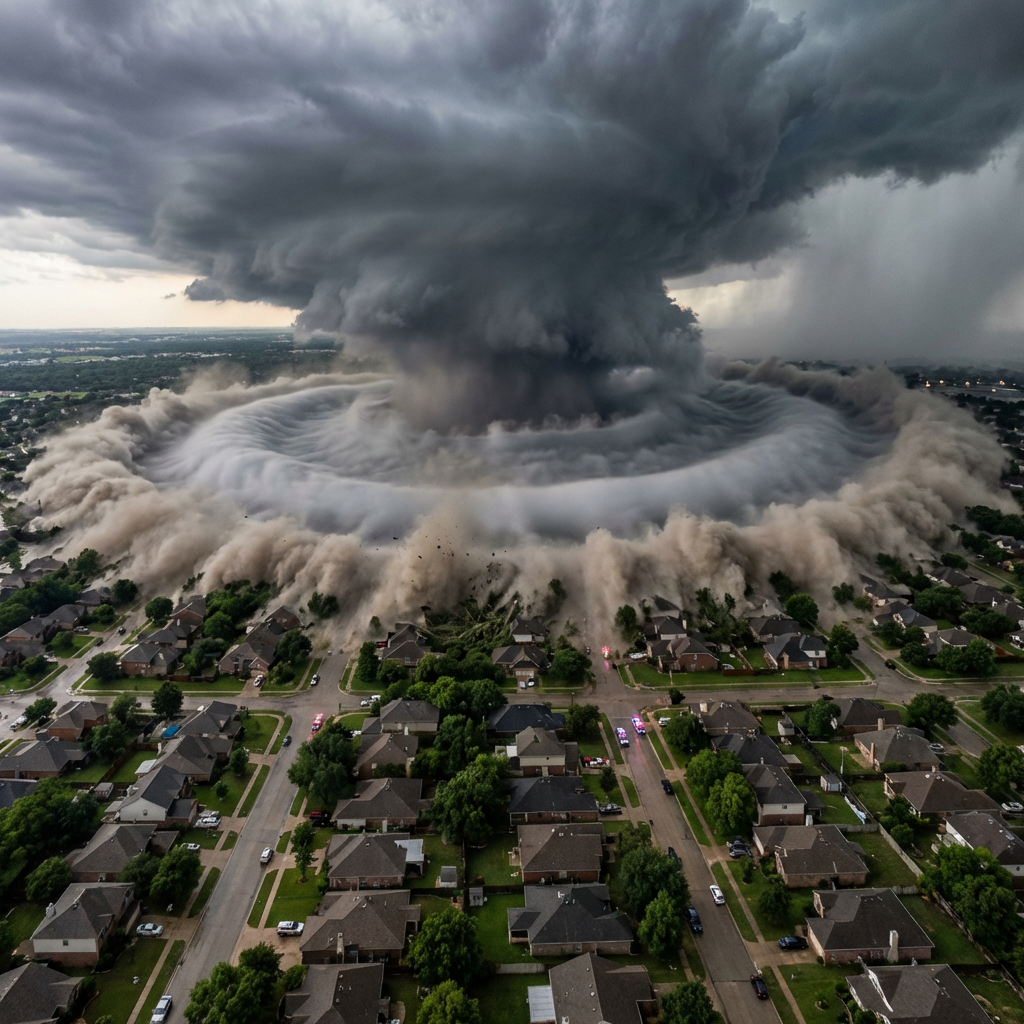
Insurance inflation reveals something that most housing debates overlook: local policy cannot contain a crisis that is being driven by global, financial, and climate‑risk systems. Colorado’s insurance market is not responding to local zoning decisions or municipal politics — it is responding to wildfire modeling, reinsurance markets, catastrophe losses, and national underwriting algorithms. This means the shock enters the housing system from outside the domain where cities have any meaningful control.
The Limits of Local Tools
Cities like Loveland can adjust:
- zoning
- permitting
- code enforcement
- tenant protections
- development incentives
But none of these tools can stabilize:
- reinsurance volatility
- climate‑risk scoring
- insurer withdrawal from high‑risk regions
- actuarial models that treat entire ZIP codes as liabilities
Insurance inflation exposes the jurisdictional mismatch between the scale of the problem and the scale of the tools available to address it.
How the Shock Moves Through the System
Because insurance inflation originates upstream, it cascades through the housing ecosystem in ways local governments cannot intercept:
- Homeowners face rising premiums and sell under pressure.
- Small landlords pass costs to renters or exit the market.
- Renters absorb rent hikes and are displaced.
- Corporate buyers expand their holdings.
- Neighborhood stability erodes.
This is a multi‑system shock, not a local failure. It moves through climate, finance, insurance, and housing simultaneously, and each system amplifies the others.
Why This Matters for Understanding Forced Nomadism
Insurance inflation clarifies that forced nomadism is not simply the result of:
- bad landlords
- weak tenant protections
- municipal neglect
- predatory practices
Those are real forces — but they are downstream. Insurance inflation shows that the housing crisis is now shaped by interlocking systems that operate far beyond the reach of local governance.
It reveals the true architecture of the crisis:
- climate risk destabilizes insurance
- insurance destabilizes ownership
- ownership destabilizes rental markets
- rental markets destabilize households
This is why displacement accelerates even when cities attempt reforms. The shock is coming from outside the system they are trying to regulate.
Insurance inflation exposes the structural limits of local housing policy and reveals forced nomadism as a symptom of a much larger, multi‑system collapse.
We Believe You


Apple Music
YouTube Music
Amazon Music
Spotify Music


Explore Mini-Topics
Leave a Reply