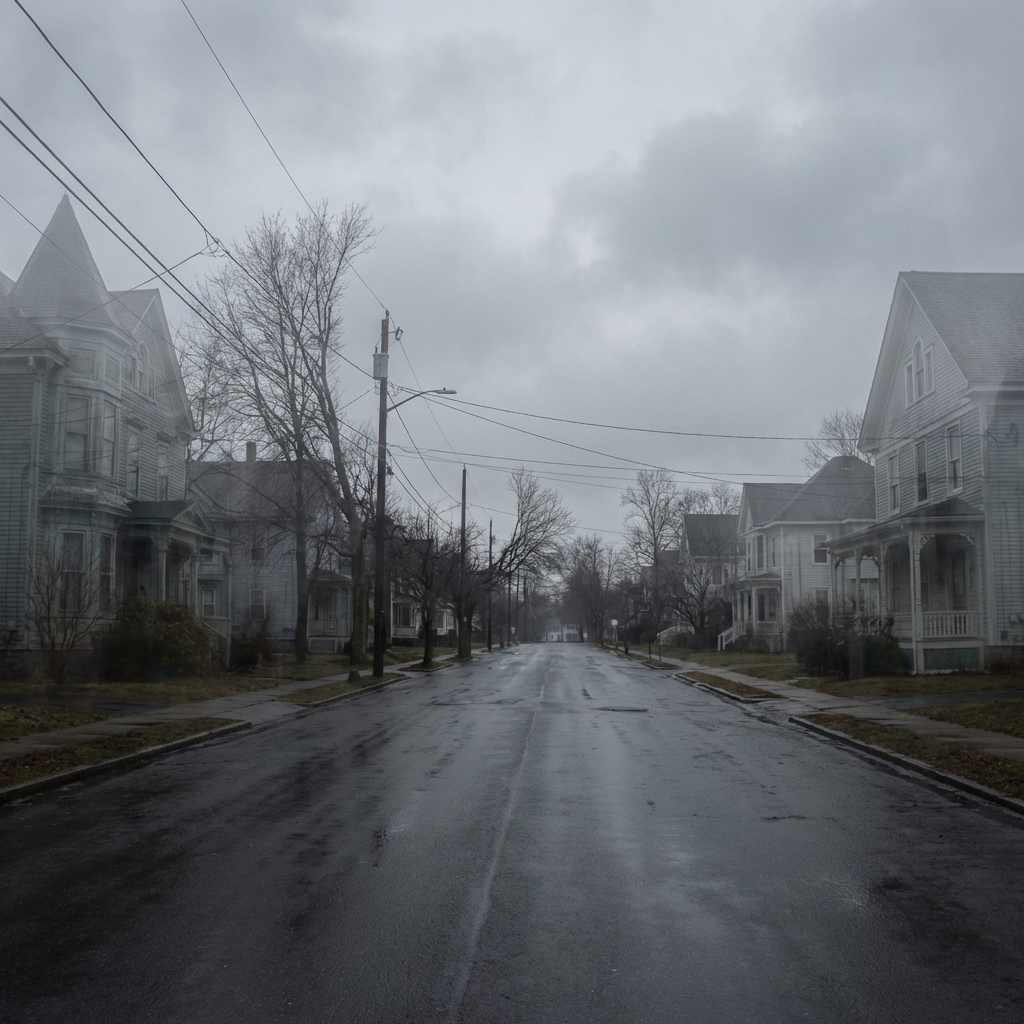
Renters never receive an insurance bill, yet they experience the consequences of insurance inflation more directly than anyone else. When premiums rise, the cost is transmitted through landlords, absorbed by lease structures, and ultimately imposed on renters who have no leverage, no buffer, and no legal protection from upstream volatility. Insurance inflation becomes a displacement engine, even though renters are structurally excluded from the insurance system itself.
How Renters Experience Insurance Inflation
Insurance inflation shows up in renters’ lives through mechanisms that appear unrelated on the surface but are tightly linked underneath:
- sudden rent increases
- non‑renewals framed as “business decisions”
- new fees added to leases
- reduced maintenance as owners cut costs
- stricter screening criteria to offset perceived risk
- conversions to short‑term rentals
- “renovictions” used to justify higher rents
These outcomes are not random. They are the downstream expression of an upstream shock.
The Invisible Burden
Renters are uniquely vulnerable because they:
- cannot negotiate insurance
- cannot shop for better rates
- cannot challenge premium increases
- cannot access the financial tools owners use to buffer volatility
They are structurally positioned to absorb the cost without any agency. This makes insurance inflation one of the most asymmetric pressures in the housing system.
The Forced‑Nomadism Feedback Loop
Insurance inflation feeds directly into the churn that defines forced nomadism:
- Insurance premiums rise.
- Landlords raise rents or refuse renewals.
- Renters are displaced into a more competitive market.
- Moving costs drain savings and increase vulnerability.
- Each move reduces stability and increases future risk.
This loop compounds over time, especially for families, disabled renters, and low‑income households. Insurance inflation becomes a predictor of involuntary mobility, even though renters never interact with the insurance system directly.
Why This Matters for Community Stability
When renters are displaced, communities lose:
- workforce stability
- school continuity
- neighborhood cohesion
- intergenerational rootedness
Insurance inflation accelerates this erosion by making rental housing more volatile, more expensive, and more precarious.
Insurance inflation doesn’t just raise premiums — it pushes renters into motion, feeding the churn that defines Colorado’s modern housing crisis.
We Believe You


Apple Music
YouTube Music
Amazon Music
Spotify Music


Explore Mini-Topics
Leave a Reply