Tools for Effective Resistance
How to Resist Extraction, Coercion, Pressure, and Structural Harm Without Collapsing, Escalating, or Becoming the System’s Fuel
Purpose
To give you a set of tools for effective resistance — resistance that is strategic, grounded, sustainable, and structurally intelligent. These tools help you refuse roles, refuse pressure, refuse erasure, and refuse participation in dynamics that depend on your collapse.
When to Use These Tools
- You feel pressured, coerced, or shaped by a person or system.
- You sense a power imbalance that demands your compliance.
- You are being cast into a role that erases or extracts from you.
- You want to resist without escalating or self‑abandoning.
- You want to maintain sovereignty in the face of pressure.
How These Tools Work
Effective resistance is not:
- aggression
- collapse
- appeasement
- over‑explanation
- emotional labor
- urgency
- self‑sacrifice
Effective resistance is:
- clarity
- boundary
- pace
- refusal
- documentation
- truth
- grounded presence
These tools give you the architecture.
Tool 1 — The Grounded No
The most powerful form of resistance is a calm refusal.
Step 1 — Slow your breath
Urgency collapses resistance.
Step 2 — State the boundary cleanly
“I’m not available for that.”
Step 3 — Do not justify
Justification invites negotiation.
Step 4 — Hold your pace
Your pace is your power.
The Grounded No is resistance without escalation.
Tool 2 — The Role Refusal
Systems extract power by casting you into roles. Resistance begins by refusing them.
Step 1 — Identify the role
The Fixer, The Responsible One, The Easy One, The Quiet One.
Step 2 — Name the refusal
“I’m not taking that role.”
Step 3 — Replace it
“I’m staying at my full size.”
Step 4 — Hold the line
Role refusal destabilizes extraction.
Tool 3 — The Pressure Drop
Pressure is the system’s primary tool. Dropping pressure is yours.
Step 1 — Identify the pressure cue
Urgency, guilt, escalation, emotional volatility.
Step 2 — Slow the field
“We’re not rushing this.”
Step 3 — Remove emotional labor
“I’m not absorbing that.”
Step 4 — Reclaim your pace
Your pace is the antidote to pressure.
Tool 4 — The Boundary Geometry Reset
Boundaries are not walls — they are structural corrections.
Step 1 — Identify the boundary violation
What was crossed, ignored, or overridden?
Step 2 — Restate the boundary
“My boundary stands.”
Step 3 — Remove negotiation
Boundaries are not debates.
Step 4 — Anchor your body
Your body is the boundary’s foundation.
Tool 5 — The Narrative Reclaim
Systems maintain power by controlling the story. Resistance reclaims it.
Step 1 — Identify the distortion
What is being rewritten?
Step 2 — State your truth cleanly
“This is what happened.”
Step 3 — Refuse inversion
“I’m not taking responsibility for that.”
Step 4 — Hold reality steady
Truth is resistance.
Tool 6 — The Emotional Non‑Compliance
You are not required to feel what the system wants you to feel.
Step 1 — Identify the emotional demand
Guilt, gratitude, fear, shame, compliance.
Step 2 — Name your actual emotion
“This is how I feel.”
Step 3 — Refuse emotional labor
“I’m not managing your feelings.”
Step 4 — Stay regulated
Regulation is resistance.
Tool 7 — The Silence Breaker
Silence is often used as pressure. Breaking it strategically is resistance.
Step 1 — Identify the silence function
Avoidance, punishment, control, fragility.
Step 2 — Name the shift
“Something just went quiet.”
Step 3 — Remove the pressure
“I’m not filling this silence.”
Step 4 — Reclaim the field
Your clarity breaks the spell.
Tool 8 — The Documentation Shield
Documentation is one of the most powerful forms of resistance.
Step 1 — Write it down
Facts, dates, times, behaviors.
Step 2 — Keep it clean
No emotion, no interpretation.
Step 3 — Use it as leverage
Documentation destabilizes denial.
Step 4 — Share strategically
Visibility is protection.
Tool 9 — The Collective Anchor
Resistance is strongest when you are not alone.
Step 1 — Identify allies
Who sees the same pattern?
Step 2 — Share information
Opacity protects systems.
Step 3 — Coordinate pace
Collective slowness is powerful.
Step 4 — Move together
Collective resistance is exponential.
Tool 10 — The Exit‑Cost Reversal
Systems rely on making resistance costly. You reverse the cost.
Step 1 — Identify the cost
Access, approval, comfort, stability.
Step 2 — Identify your non‑negotiables
What you will not sacrifice.
Step 3 — Shift the cost back
“I’m not paying for your comfort.”
Step 4 — Stand firm
Exit‑cost reversal destabilizes coercion.
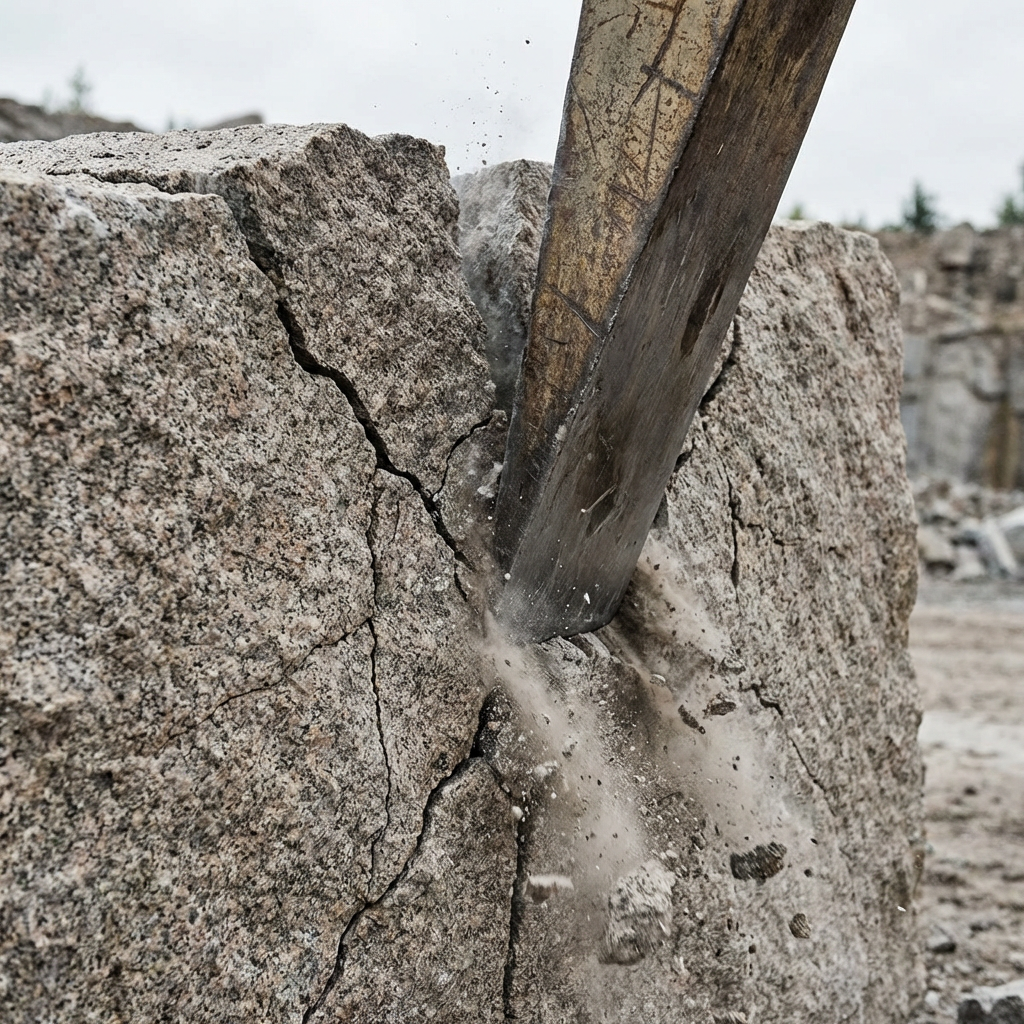
Tool 11 — The Structural Wedge
Small, strategic actions that pry open a stuck system.
Examples:
- asking for documentation
- requesting clarity
- refusing urgency
- naming contradictions
- bringing witnesses
- slowing the pace
- refusing secrecy
Wedges open gates.
Tool 12 — The Sovereignty Reset
The final act of resistance is returning to yourself.
Step 1 — Ground
Feel your feet.
Step 2 — Breathe
Slow the exhale.
Step 3 — Reclaim your center
“I’m here.”
Step 4 — Reassert your truth
“I know what I know.”
Sovereignty is the foundation of all resistance.
What These Tools Reveal
- Resistance is structural, not emotional.
- Pressure is the system’s leverage; pace is yours.
- Refusing roles is a form of liberation.
- Boundaries are the architecture of resistance.
- Truth destabilizes coercion.
- Documentation protects you.
- Collective action multiplies power.
- Sovereignty is the root of effective resistance.
Field Impact
Using these tools:
- protects you from extraction
- prevents collapse under pressure
- strengthens your autonomy
- destabilizes coercive systems
- restores clarity and power
- creates openings for others
- transforms resistance from reaction to strategy
Effective resistance is not loud.
Effective resistance is precise.
Apple Music
YouTube Music
Amazon Music
Spotify Music


Explore Mini-Topics
Leave a Reply