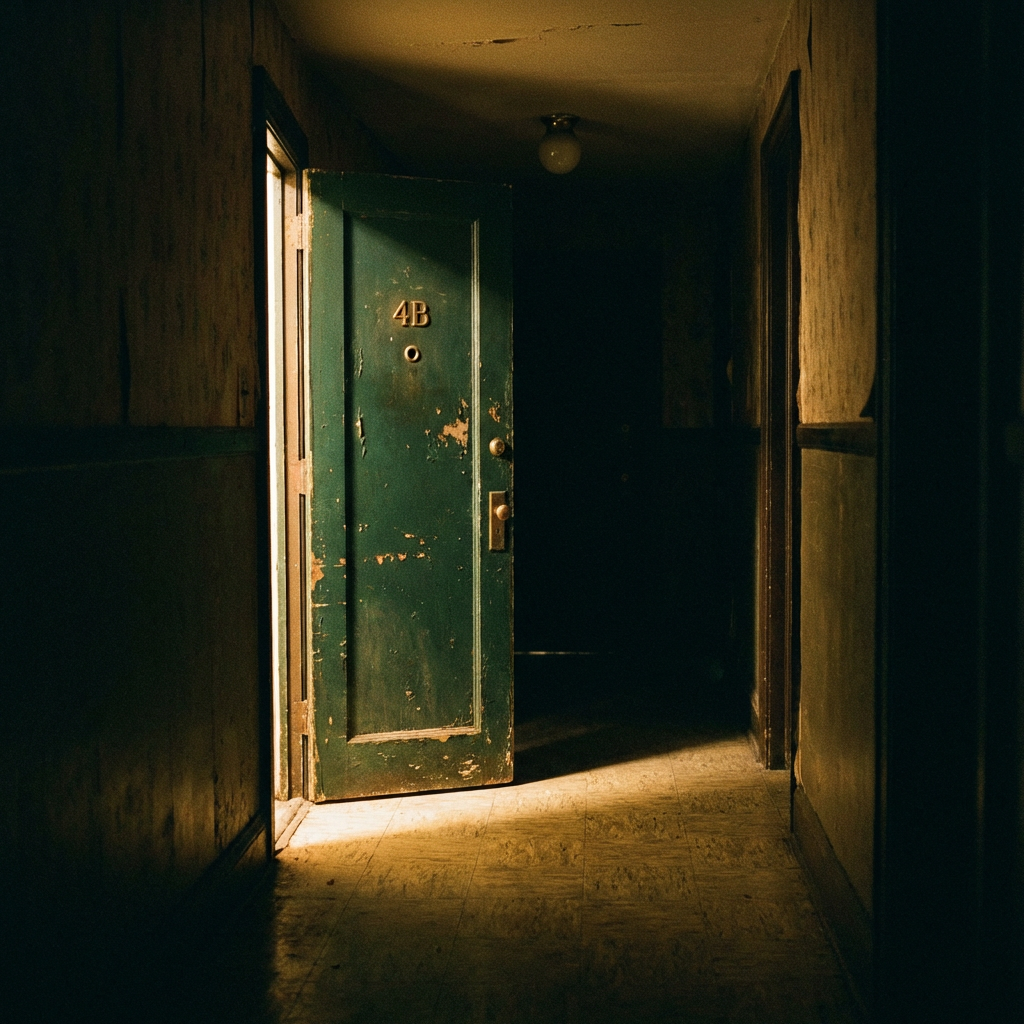
Non‑renewal as punishment. Silence as retaliation. How reporting habitability issues leads to housing exclusion.
1. The Hidden Enforcement Mechanism: Retaliation
Predatory leases don’t need to say:
- “We will punish you for speaking up.”
They don’t have to.
They rely on:
- silence,
- delay,
- non‑renewal,
- sudden rule enforcement,
- increased inspections,
- and blacklisting.
Retaliation is the unwritten clause that governs everything else.
2. The Clauses That Enable Retaliation
Across the Loveland leases, retaliation is made possible by clauses like:
- “Landlord may terminate tenancy for any reason not prohibited by law.”
- “Tenant must comply with all rules, which may be updated at any time.”
- “Tenant is responsible for all occupants and guests.”
- “Tenant may be non‑renewed at landlord’s discretion.”
- “Tenant must allow showings during the final 60–90 days.”
- “Tenant may be charged for non‑cooperation.”
These clauses give landlords:
- total exit power,
- total interpretive power,
- total enforcement power.
Tenants have no protection against retaliatory non‑renewal.
3. Silence as a Form of Retaliation
Your lived experience at 1212 Butte #37 is the clearest example.
After reporting:
- water intrusion,
- unsafe floors,
- ceiling sagging,
- mold,
- rodent feces,
the landlord response was:
Silence.
Silence is not neutral.
Silence is strategic.
Silence communicates:
- “Stop reporting.”
- “Stop asking.”
- “Stop expecting repairs.”
- “Stop being visible.”
Silence is retaliation disguised as professionalism.
4. Non‑Renewal as Punishment
Non‑renewal is the landlord’s most powerful weapon because:
- it requires no justification,
- it leaves no paper trail,
- it avoids legal scrutiny,
- it punishes tenants without “eviction,”
- it protects the landlord from liability.
Tenants who report habitability issues are often:
- non‑renewed,
- priced out,
- pushed out,
- or quietly removed.
This is how the system maintains control without ever appearing abusive.
5. Blacklisting: The Invisible Consequence
Blacklisting happens through:
- rental history reports,
- informal communication between managers,
- internal notes,
- “problem tenant” flags,
- application denials,
- unexplained rejections.
Tenants who:
- report mold,
- report leaks,
- report pests,
- request repairs,
- assert rights,
are often labeled:
- “difficult,”
- “non‑compliant,”
- “high‑maintenance,”
- “risky.”
Blacklisting ensures that retaliation follows tenants across properties.
6. How Reporting Habitability Issues Leads to Exclusion
The sequence is predictable:
- Tenant reports a serious issue.
- Landlord delays or ignores the request.
- Tenant follows up.
- Landlord becomes silent or hostile.
- Inspections increase.
- Violations appear.
- Fees appear.
- Non‑renewal notice arrives.
- Future applications are denied.
This is not accidental.
It is a retaliation pipeline.
7. Why Retaliation Works: The Enforcement Gap
Colorado law prohibits retaliation (C.R.S. 38‑12‑509).
But the law requires tenants to:
- document everything,
- file complaints,
- take time off work,
- go to court,
- withstand scrutiny,
- risk homelessness.
Most tenants cannot.
So retaliation works because:
- the law is unenforceable,
- the burden is impossible,
- the risk is too high.
The system depends on this gap.
8. The Family Consequence: Silence Becomes Survival
When retaliation is predictable:
- parents stop reporting issues,
- children live in unsafe conditions,
- mold becomes normal,
- leaks become normal,
- rot becomes normal,
- fear becomes normal.
Parents must choose between:
- protecting the child, or
- protecting the housing.
Housing wins.
This is how retaliation produces family scapegoating:
- “Don’t touch that.”
- “Don’t make noise.”
- “Don’t tell anyone.”
- “Don’t cause problems.”
The child becomes the one who must not trigger the system.
9. How to Recognize Retaliation Pressure in Your Own Lease
Red flags include:
- “non‑renewal at landlord’s discretion”
- “tenant must comply with all future rules”
- “tenant responsible for all occupants”
- “tenant may be charged for non‑cooperation”
- sudden inspections
- sudden rule enforcement
- sudden silence
- sudden hostility
- sudden fees
If a landlord becomes silent after a complaint,
you are experiencing retaliation by omission.
10. Closing
Retaliation is not a rare event.
It is not a misunderstanding.
It is not a communication issue.
It is the primary enforcement mechanism of predatory housing.
Silence is punishment.
Non‑renewal is punishment.
Blacklisting is punishment.
This is not a personal failure.
It is a structural design.
We Believe You


Apple Music
YouTube Music
Amazon Music
Spotify Music


Explore Mini-Topics
Leave a Reply