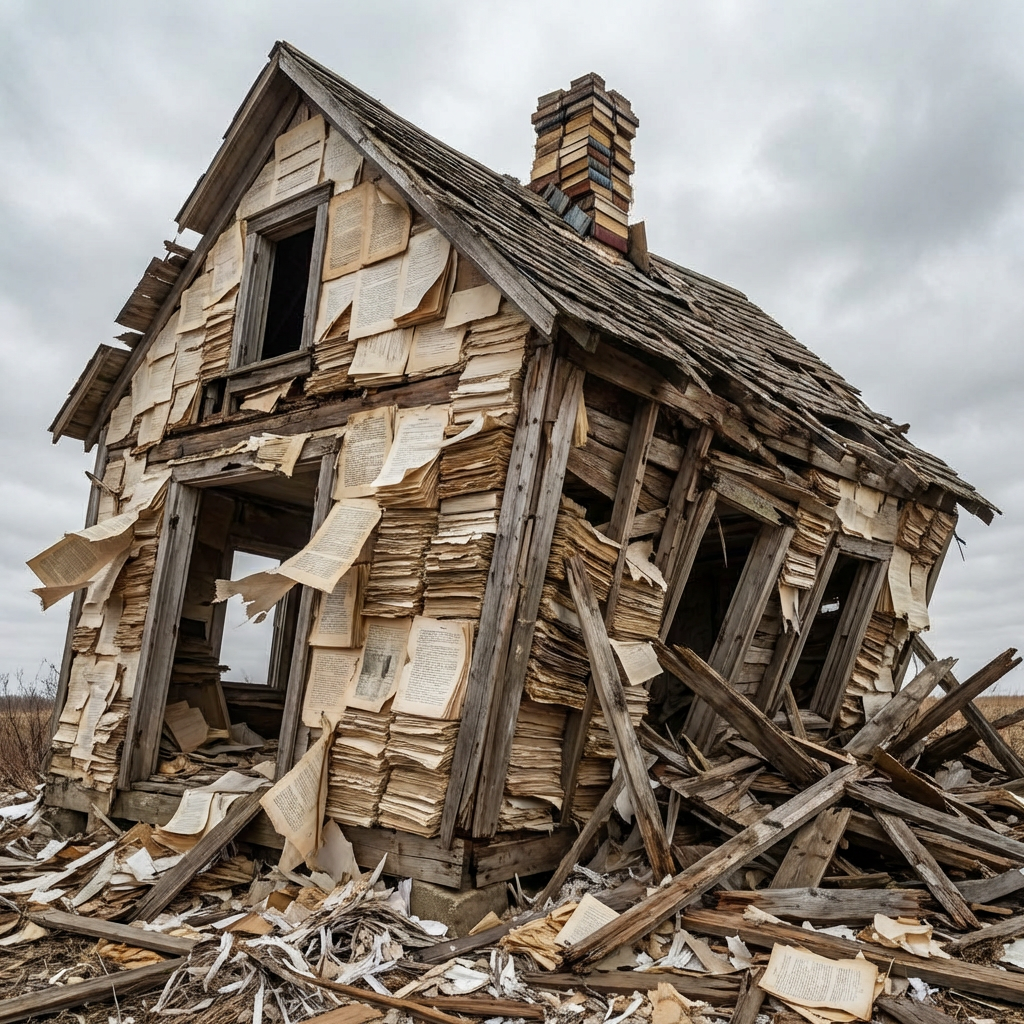
Two models, same outcome: different aesthetics, different tactics, identical structural harm
1. The Myth of “Good” vs. “Bad” Landlords
Public imagination splits landlords into:
- “corporate landlords” (professional, polished, rule‑bound), and
- “slumlords” (neglectful, chaotic, unsafe).
People assume:
- corporate = safe,
- slumlord = dangerous.
But your leases reveal something else:
both models produce the same structural outcomes —
- precarity,
- fear,
- retaliation,
- surveillance,
- fee extraction,
- habitability evasion,
- and family scapegoating.
They simply use different methods.
2. The Corporate Predator Model
(Henderson, Advantage, Facilities Unlimited)
Corporate predation uses:
- legalistic language,
- automated billing,
- standardized fees,
- crime‑free addenda,
- “absolute rent” clauses,
- inspections,
- compliance notices,
- administrative charges,
- resident benefit packages,
- utility surcharges,
- algorithmic screening.
Its tools are:
- paperwork,
- policy,
- automation,
- professionalism.
Its violence is:
- bureaucratic,
- procedural,
- sanitized.
Corporate predation looks clean.
It feels official.
It hides behind “policy.”
But the harm is the same.
3. The Slumlord Predator Model
(His House, 1212 Butte #37)
Slumlord predation uses:
- silence,
- neglect,
- unsafe structures,
- mold,
- rot,
- water intrusion,
- rodent feces,
- collapsing floors,
- unresponsive management,
- verbal dismissals.
Its tools are:
- decay,
- delay,
- denial,
- disappearance.
Its violence is:
- physical,
- environmental,
- embodied.
Slumlord predation looks chaotic.
It feels dangerous.
It hides behind “we’re doing our best.”
But the harm is the same.
4. The Shared Outcome: Manufactured Precarity
Despite their differences, both models produce:
1. Unsafe living conditions
Corporate: habitability evasion through paperwork.
Slumlord: habitability evasion through neglect.
2. Financial extraction
Corporate: fees, surcharges, penalties.
Slumlord: deposits kept, repairs ignored, damages blamed on tenants.
3. Surveillance and control
Corporate: inspections, showings, compliance notices.
Slumlord: unpredictable entry, unannounced visits, informal monitoring.
4. Eviction velocity
Corporate: “additional rent,” crime‑free clauses, 3‑day notices.
Slumlord: non‑renewal, sudden hostility, informal pressure.
5. Retaliation
Corporate: non‑renewal, blacklisting, increased inspections.
Slumlord: silence, ghosting, refusal to repair.
6. Family scapegoating
Corporate: noise, cleanliness, damage clauses.
Slumlord: unsafe conditions that parents must compensate for.
Two models.
Same outcome.
Same harm.
5. Why Both Models Exist in the Same City
Loveland’s housing ecosystem allows:
- corporate consolidation,
- small‑scale neglect,
- fee‑driven management,
- habitability evasion,
- retaliation without consequence,
- screening barriers that exclude anyone harmed by the system.
Corporate landlords and slumlords are not opposites.
They are symbiotic.
Corporate landlords:
- raise standards on paper,
- raise rents,
- raise screening barriers.
Slumlords:
- absorb the tenants who fail corporate screening,
- exploit their vulnerability,
- trap them in unsafe housing.
It is a two‑tiered predatory system.
6. The Tenant Experience: Different Aesthetics, Same Fear
Corporate tenants fear:
- fees,
- notices,
- inspections,
- violations,
- blacklisting.
Slumlord tenants fear:
- collapse,
- mold,
- silence,
- retaliation,
- abandonment.
Both fear:
- eviction,
- homelessness,
- losing custody,
- losing stability,
- losing safety.
The emotional landscape is identical.
7. The Family Consequence: Scapegoating in Both Systems
Corporate predation forces parents to:
- enforce noise rules,
- enforce cleanliness,
- enforce compliance.
Slumlord predation forces parents to:
- compensate for unsafe conditions,
- restrict movement,
- manage risk in a collapsing home.
In both systems:
- children become liabilities,
- parents become enforcers,
- families internalize blame,
- survival requires scapegoating.
The mechanism is the same.
The aesthetics differ.
8. How to Recognize the Two Models in Your Own Lease
Corporate Predation Red Flags:
- “additional rent”
- “absolute rent”
- “sole discretion”
- crime‑free addenda
- resident benefit fees
- utility surcharges
- inspection schedules
- compliance notices
Slumlord Predation Red Flags:
- “as‑is”
- silence after complaints
- verbal dismissals
- unsafe floors
- mold, rot, pests
- no documentation
- no receipts
- no follow‑through
If a landlord uses paperwork or neglect to control you,
you are in a predatory system.
9. Closing
Corporate landlords and slumlords are not opposites.
They are two expressions of the same structure.
One uses:
- policy,
- automation,
- professionalism.
The other uses:
- silence,
- decay,
- disappearance.
Both produce:
- fear,
- precarity,
- retaliation,
- family scapegoating,
- and the collapse of safety.
This is not a personal failure.
It is a structural design.
We Believe You


Apple Music
YouTube Music
Amazon Music
Spotify Music


Explore Mini-Topics
Leave a Reply