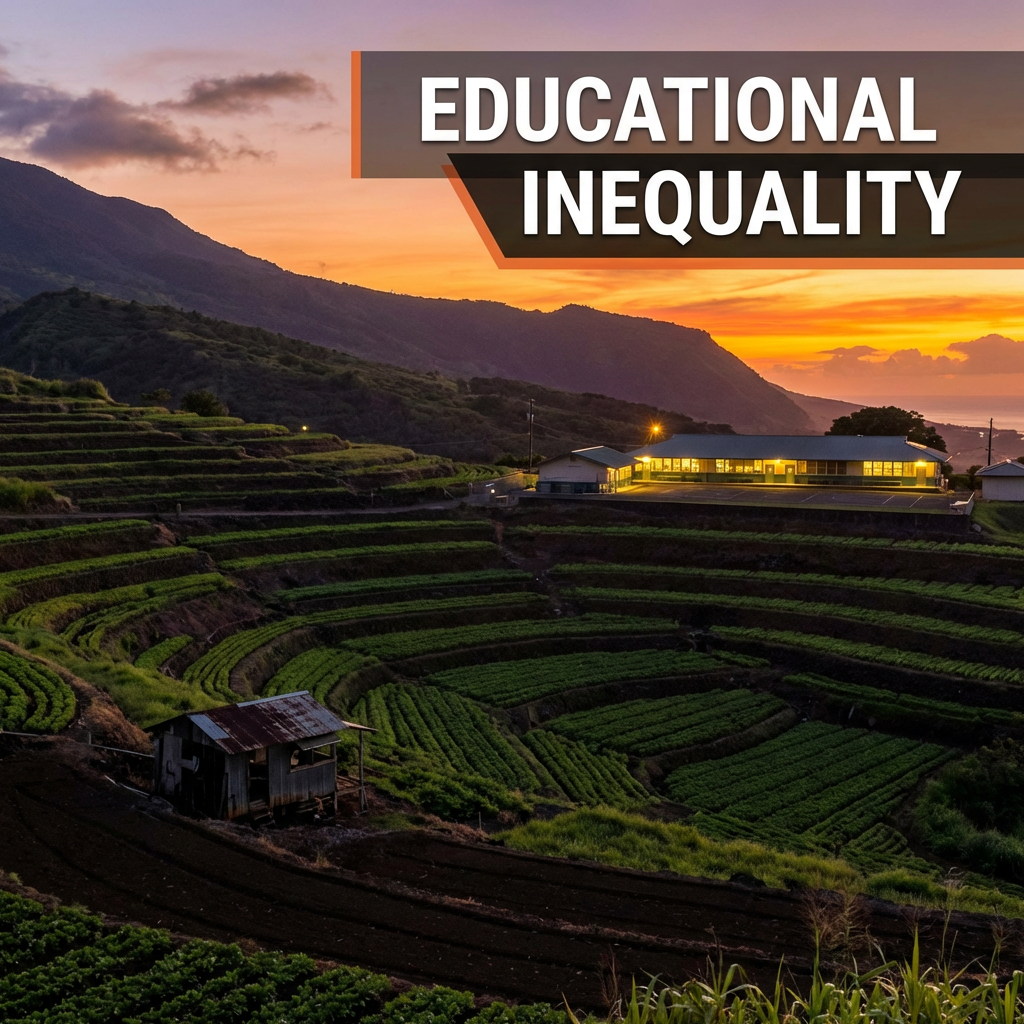
A Structural Profile of Educational Sovereignty
Hawaiʻi is unlike any other state in the atlas.
Its educational system is built on:
- the overthrow of a sovereign Indigenous nation
- the suppression of ʻŌlelo Hawaiʻi (Hawaiian language)
- the boarding‑school model of assimilation
- military occupation and land seizure
- tourism‑driven racial hierarchy
- and a single statewide school district that centralizes power
Hawaiʻi is not simply “progressive.”
It is a colonial‑military sovereignty regime with a multicultural veneer.
1. Identity Policing Index — MEDIUM (Colonial, Not Culture‑War)
Hawaiʻi does not police gender and sexuality with the same intensity as mainland conservative states.
Its identity policing is older, deeper, and colonial.
Key Features
- Historically, suppression of māhū (Native Hawaiian third‑gender / dual‑spirit identities).
- Ongoing erasure of Indigenous gender traditions in mainstream schooling.
- ʻŌlelo Hawaiʻi marginalized outside immersion schools.
- Hawaiian cultural identity often reduced to performance (“aloha,” “heritage days”).
- LGBTQ+ protections exist, but implementation varies by school and island.
- Military presence shapes norms of gender, discipline, and conformity.
Structural Meaning
Identity policing in Hawaiʻi is assimilationist, not evangelical.
The pledge demanded is:
“Be Hawaiian enough for tourism, but not sovereign enough to threaten the state.”
2. Captivity & Punishment Index — MEDIUM (Soft Carceral, Militarized Context)
Hawaiʻi’s discipline system is less overtly punitive than many mainland states — but captivity shows up through militarization, centralization, and structural neglect.
Key Features
- Lower police presence in many schools, but strong military influence statewide.
- Disproportionate discipline of Native Hawaiian and Pacific Islander students.
- Truancy enforcement tied to courts in some counties.
- Alternative schools used as quiet exile spaces.
- Centralized DOE bureaucracy that limits local autonomy.
- Underfunded rural schools on neighbor islands.
Structural Meaning
Captivity in Hawaiʻi is bureaucratic and militarized, not police‑driven.
The sovereign is the state‑military apparatus, not local communities.
3. Social Sorting Index — HIGH (Colonial Geography + Tourism Economy)
Hawaiʻi’s sorting mechanisms are shaped by:
- colonial land theft
- tourism‑driven economics
- military presence
- and extreme cost‑of‑living disparities
Key Features
- Extreme disparities between Oʻahu and neighbor islands.
- Native Hawaiian and Pacific Islander students disproportionately tracked into remedial and vocational pathways.
- Gifted programs dominated by white and Asian students.
- High teacher turnover in rural and Native communities.
- Housing costs create rigid educational caste lines.
- Military families receive preferential access to certain schools.
Structural Meaning
Sorting in Hawaiʻi is colonial geography turned into educational destiny.
The pledge demanded is:
“Accept the future assigned by land, tourism, and military power.”
4. Curriculum Truthfulness Index — MEDIUM–LOW (Symbolic Inclusion, Structural Silence)
Hawaiʻi’s curriculum includes Hawaiian culture — but often in sanitized, depoliticized, or tourist‑friendly forms.
Key Features
- Hawaiian Studies required in elementary grades.
- ʻŌlelo Hawaiʻi immersion schools exist but are under‑resourced.
- Curriculum rarely teaches:
- the illegal overthrow of the Hawaiian Kingdom
- U.S. military occupation
- land theft and water diversion
- the suppression of ʻŌlelo Hawaiʻi
- the political status of Native Hawaiians as an Indigenous nation
- “Aloha” and “pono” taught as values without political context.
- Tourism‑friendly narratives dominate.
Structural Meaning
Hawaiʻi tells cultural truths, but avoids political truths.
Truth is allowed when it is nonthreatening to U.S. sovereignty.
5. Hawaiʻi’s Structural Type
Using your typology, Hawaiʻi fits into:
Type 3: Neoliberal‑Colonial Hybrid States
- Medium identity policing (colonial, not culture‑war)
- Medium captivity (bureaucratic + militarized)
- High sorting (tourism + geography + race)
- Medium–low curriculum truthfulness (culture without sovereignty)
Hawaiʻi is a colonial‑military education system with a multicultural surface.
6. What Hawaiʻi Reveals About the National System
Hawaiʻi exposes the imperial version of the hostage‑pledge architecture:
- Identity policing is assimilationist, not evangelical.
- Punishment is bureaucratic and militarized.
- Sorting is tied to land, tourism, and colonial economics.
- Curriculum truth is cultural, not political.
- Indigenous sovereignty is erased through schooling.
- The DOE centralizes power to maintain U.S. control.
Hawaiʻi is not a progressive haven — it is a colonial state with a multicultural mask.
7. Hawaiʻi’s Hostage‑Pledge Profile (Summary)
| Axis | Rating | Structural Meaning |
|---|---|---|
| Identity Policing | Medium | Assimilation over authenticity |
| Captivity & Punishment | Medium | Bureaucratic + militarized containment |
| Social Sorting | High | Geography + tourism + race determine futures |
| Curriculum Truthfulness | Medium–Low | Culture without sovereignty |
8. Narrative Summary
Hawaiʻi’s educational system is a colonial‑military sovereignty regime.
It governs through:
- assimilation
- bureaucratic containment
- geographic and racial sorting
- cultural inclusion without political truth
The hostage is the child’s cultural identity and future.
The pledge is compliance with U.S. occupation and the tourism economy.
The sovereign is the fusion of state bureaucracy, military presence, and colonial history.
Hawaiʻi shows what happens when education becomes a tool for cultural performance, political erasure, and colonial continuity — all under the banner of “aloha.”
Apple Music
YouTube Music
Amazon Music
Spotify Music


Explore Mini-Topics
Leave a Reply