When the System Realized People Saw the Architecture — and Fought Back
The revelation phase was intolerable to the hostage‑pledge system.
People had glimpsed the truth:
- the economy was a story
- the workplace was optional
- the hierarchy was performative
- the suffering was unnecessary
- the “normal” was a cage
This was a threat to the system’s survival.
So the system did what all threatened systems do:
it launched a counter‑insurgency.
Not with tanks or soldiers —
but with narratives, pressure, fear, and manufactured conflict.
Below is the structural anatomy of the panic phase.
A. The Reopen Protests: Manufactured Grassroots Obedience
Almost immediately, protests erupted demanding:
- haircuts
- gyms
- bars
- restaurants
- “freedom”
These protests were:
- funded
- coordinated
- amplified
- strategically framed
They were not about haircuts.
They were about restoring the pledge.
Function:
Reassert the idea that obedience to the economy is patriotic.
Narrative Warfare:
“Freedom means going back to work.”
B. Mask Resistance as Identity Warfare
Masks became:
- political symbols
- identity markers
- loyalty tests
- tribal boundaries
This wasn’t about public health.
It was about reasserting hierarchy.
Function:
Turn safety into a culture war to distract from structural failure.
Narrative Warfare:
“Protecting others is weakness.”
C. The “Essential Worker” Myth as Sacrificial Logic
Workers who were:
- lowest paid
- least protected
- most exposed
were suddenly labeled “heroes.”
This was not gratitude.
It was ritualized sacrifice.
Function:
Normalize the idea that some lives must be risked to preserve the system.
Narrative Warfare:
“Your suffering is noble.”
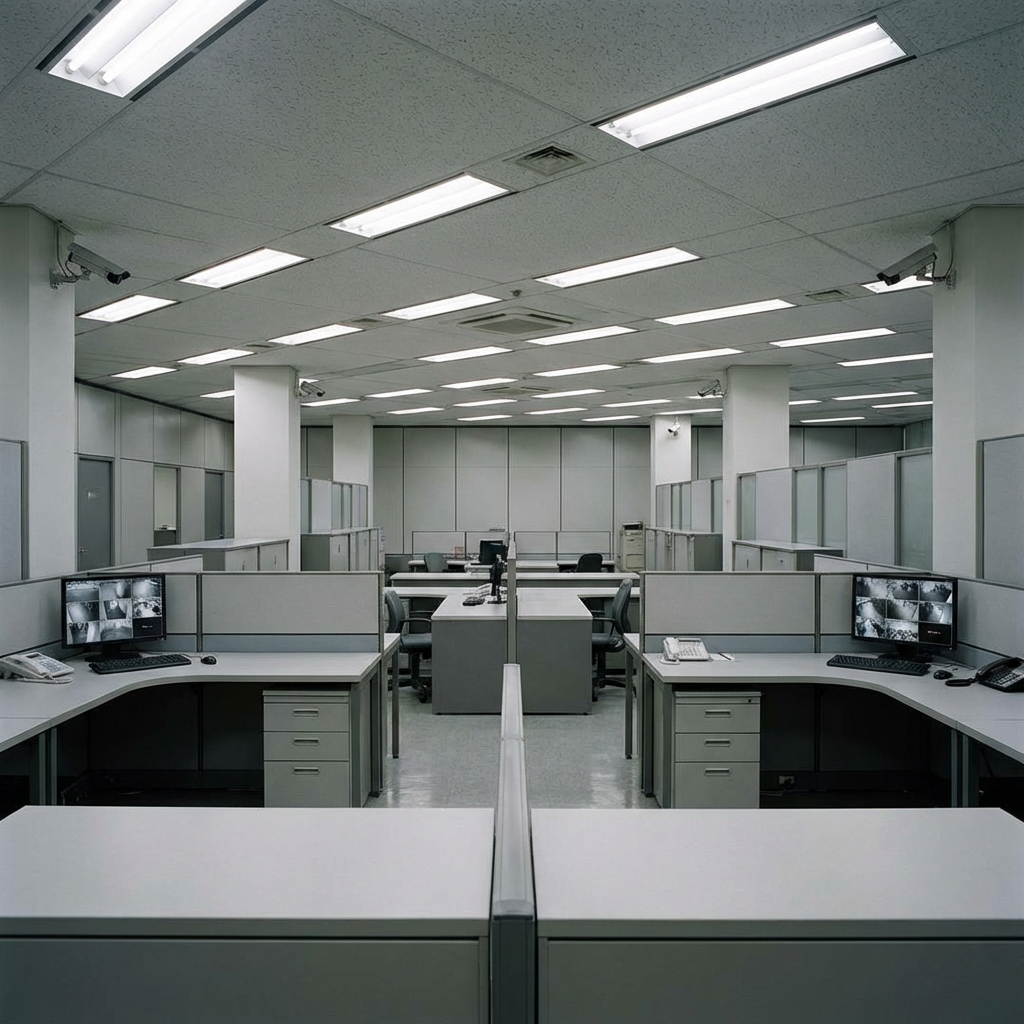
D. The Productivity Panic: Reasserting the Work Pledge
As people adapted to remote work, the system panicked.
We saw:
- surveillance software
- keystroke tracking
- webcam monitoring
- forced returns to office
- “culture” arguments
- threats of job loss
Function:
Rebuild the workplace cage.
Narrative Warfare:
“Real work happens under supervision.”
E. The “Learning Loss” Panic: Reasserting School as Containment
Schools reopened under:
- pressure
- fear
- political manipulation
The narrative shifted to:
- “kids are falling behind”
- “kids are too soft now”
- “kids need discipline”
This wasn’t about education.
It was about restoring the child‑containment system.
Function:
Rebuild the pipeline from school → workplace obedience.
Narrative Warfare:
“Children must return to their roles.”
F. The Mental Health Panic: Pathologizing the Natural Response
Instead of acknowledging:
- grief
- fear
- trauma
- burnout
- relational strain
the system reframed these as:
- disorders
- personal failures
- individual weaknesses
Function:
Shift blame from structural collapse to personal inadequacy.
Narrative Warfare:
“You’re not traumatized — you’re defective.”
G. The “Return to Normal” Campaign: Erasing the Revelation
Every institution — government, media, corporations — pushed the same message:
- “We need to get back to normal.”
- “Normal is stability.”
- “Normal is safety.”
- “Normal is good.”
But “normal” was the cage.
Function:
Erase the memory of the rupture.
Narrative Warfare:
“Forget what you saw.”
H. The Scapegoating of the Vulnerable
As pressure mounted, the system blamed:
- children
- teachers
- disabled people
- immunocompromised people
- unemployed people
- “anxious” people
- “lazy” people
- “soft” people
This was not random.
It was pressure displacement.
Function:
Redirect systemic guilt onto those with the least power.
Narrative Warfare:
“The problem is you.”
I. The Political Weaponization of the Pandemic
Politicians used the crisis to:
- consolidate power
- inflame division
- redirect anger
- suppress dissent
- rewrite narratives
- protect economic interests
Function:
Turn structural failure into partisan conflict.
Narrative Warfare:
“Your neighbor is the enemy — not the system.”
Summary: The Panic Phase
The system responded to the revelation with:
- fear
- aggression
- narrative manipulation
- identity warfare
- scapegoating
- manufactured conflict
- forced obedience
- emotional gaslighting
This was not chaos.
It was counter‑insurgency.
The hostage‑pledge system was fighting for its life —
and it used every tool it had to restore the old order.
Apple Music
YouTube Music
Amazon Music
Spotify Music


Explore Mini-Topics
Leave a Reply