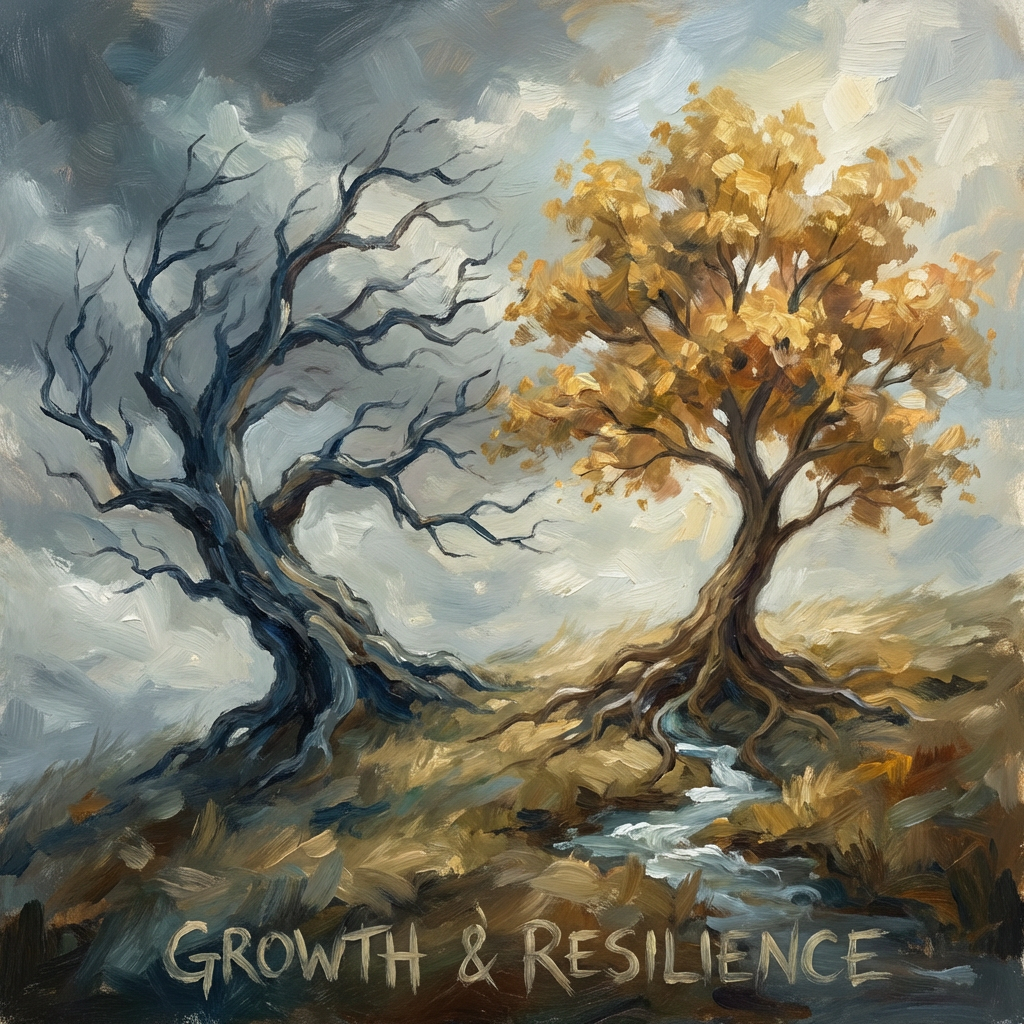
Family Development
Control or Connect: Two Parenting Paths, Two Lifelong Trajectories
Every family wants connection. Every parent wants closeness. Every caregiver wants to raise a child who feels safe, confident, and loved.
But intention is not the determining factor.
The real divergence happens in the earliest moments of caregiving, when a parent is forced—by culture, by “standard-of-care” norms, by fear-based messaging—to choose between two paths:
Control or Connect.
These two paths look similar on the surface. Both parents love deeply. Both want the best for their child. Both value relationship.
But the architecture underneath them is radically different.
Control interprets behavior as defiance.
Connection interprets behavior as communication.
Control manages.
Connection regulates.
Control demands compliance.
Connection meets needs.
And these two interpretations create two entirely different developmental trajectories, year by year, all the way to adulthood.
Below is the full side-by-side map.
Birth to Age 1: The Foundation
Control Path
- Sleep and feeding become procedural.
- Crying is treated as habit or manipulation.
- Parent overrides intuition.
- Infant learns: “My signals don’t reliably bring connection.”
- Early mistrust forms.
Connection Path
- Needs are met responsively.
- Crying is treated as communication.
- Parent trusts their instincts.
- Infant learns: “My signals matter.”
- Secure attachment begins.
Ages 1–2: Autonomy Emerges
Control Path
- Exploration is treated as defiance.
- “No” becomes a battleground.
- Toddler protests the mismatch between words and behavior.
- Parent interprets protest as misbehavior.
- “Terrible twos” emerge.
Connection Path
- Exploration is scaffolded.
- “No” is a negotiation, not a threat.
- Toddler’s protest is seen as developmental truth.
- Parent co-regulates.
- “Coherent twos” emerge.
Ages 3–4: Identity Formation
Control Path
- Child learns to perform “goodness.”
- Emotional expression is policed.
- Compliance is praised; authenticity is punished.
- Early shame patterns form.
Connection Path
- Child expresses emotions safely.
- Authenticity is supported.
- Boundaries are relational, not punitive.
- Early confidence forms.
Ages 5–6: Socialization Begins
Control Path
- Child struggles with transitions and group settings.
- Behavior is labeled “difficult” or “too sensitive.”
- Parent feels embarrassed or judged.
- Child becomes the proto-scapegoat.
Connection Path
- Child enters social settings with internal regulation.
- Conflict is navigated with support.
- Parent advocates rather than apologizes.
- Child becomes socially resilient.
Ages 7–8: Cognitive Expansion
Control Path
- Child begins masking to avoid punishment.
- Internal world becomes hidden.
- Anxiety or defiance emerges.
- Parent increases control.
Connection Path
- Child shares internal experiences freely.
- Curiosity is supported.
- Mistakes are safe.
- Parent guides rather than manages.
Ages 9–10: Moral Development
Control Path
- Morality becomes obedience-based.
- Child learns: “Good = compliant.”
- Shame deepens.
- Parent worries about “attitude.”
Connection Path
- Morality becomes empathy-based.
- Child learns: “Good = relational.”
- Integrity deepens.
- Parent sees emerging leadership.
Ages 11–12: Pre-Adolescence
Control Path
- Child pushes back hard.
- Parent interprets pushback as threat.
- Power struggles escalate.
- Child becomes “the problem.”
Connection Path
- Child negotiates autonomy.
- Parent interprets pushback as growth.
- Collaboration increases.
- Child becomes a partner.
Ages 13–14: Early Teen Years
Control Path
- Child hides more and shares less.
- Parent tightens rules.
- Child seeks belonging elsewhere.
- Conflict becomes chronic.
Connection Path
- Child shares openly.
- Parent expands freedom with support.
- Child seeks belonging AND returns home for regulation.
- Conflict becomes repair.
Ages 15–16: Identity Consolidation
Control Path
- Child experiments in secret.
- Parent feels betrayed.
- Trust collapses.
- Child internalizes: “I am the difficult one.”
Connection Path
- Child experiments with transparency.
- Parent provides guidance without panic.
- Trust strengthens.
- Child internalizes: “I am capable and supported.”
Ages 17–18: Launch Phase
Control Path
- Child leaves as soon as possible.
- Relationship is strained or distant.
- Parent feels unappreciated.
- Child feels unseen.
- Scapegoat role crystallizes.
Connection Path
- Child leaves with confidence and returns with connection.
- Relationship is warm and reciprocal.
- Parent feels proud.
- Child feels understood.
- Secure attachment carries into adulthood.
The Core Truth
Two families can love equally.
Two families can value connection equally.
Two families can want closeness equally.
But if one family is funneled into control from birth, their entire relational trajectory diverges—not because of intention, but because of architecture.
Control produces:
- shame
- secrecy
- defiance
- masking
- scapegoating
- rupture
Connection produces:
- trust
- resilience
- authenticity
- collaboration
- repair
- coherence
This is not about “good” or “bad” parenting.
It is about the system the parent was trained into.
The path you choose—Control or Connect—shapes everything that follows.
The Good Kid: How Control vs. Connection Shapes the Compliant Child From Birth to 18
Not every child protests early coercions.
Some collapse inward.
Some comply.
Some become “easy.”
These children are praised, celebrated, and held up as examples.
But the internal cost is enormous.
Below is the side-by-side developmental trajectory of the “good kid” under Control vs. Connection.
Birth to Age 1
Control Path
- Infant suppresses signals quickly.
- Becomes “easy baby.”
- Parent interprets quietness as success.
- Early fawning begins.
Connection Path
- Infant signals freely.
- Parent responds consistently.
- Child learns: “My needs are safe.”
- Early trust forms.
Ages 1–2
Control Path
- Toddler avoids protest.
- Over-complies to avoid rupture.
- Parent praises “good behavior.”
- Child learns: “Safety = pleasing.”
Connection Path
- Toddler experiments with autonomy.
- Parent supports exploration.
- Child learns: “Safety = authenticity.”
Ages 3–4
Control Path
- Child becomes hyper-responsible.
- Takes on emotional labor.
- Becomes parent’s “helper.”
- Early parentification begins.
Connection Path
- Child plays freely.
- Emotional expression is supported.
- Parent carries the emotional load.
- Healthy boundaries form.
Ages 5–6
Control Path
- Child excels in school settings.
- Teachers praise compliance.
- Child internalizes perfectionism.
- Anxiety begins to surface.
Connection Path
- Child engages socially with confidence.
- Mistakes are safe.
- Parent supports emotional literacy.
- Resilience develops.
Ages 7–8
Control Path
- Child becomes conflict-avoidant.
- Over-apologizes.
- Becomes the “peacemaker.”
- Self-worth becomes performance-based.
Connection Path
- Child learns healthy conflict.
- Repairs with support.
- Self-worth becomes intrinsic.
- Confidence deepens.
Ages 9–10
Control Path
- Child becomes the “golden child.”
- Takes responsibility for siblings.
- Hides struggles to maintain role.
- Shame becomes internalized.
Connection Path
- Child takes age-appropriate responsibility.
- Shares struggles openly.
- Parent supports without overburdening.
- Integrity forms.
Ages 11–12
Control Path
- Child becomes anxious about disappointing others.
- Begins masking emotional needs.
- Parent relies on them for stability.
- Emotional enmeshment forms.
Connection Path
- Child negotiates autonomy safely.
- Parent supports independence.
- Emotional boundaries strengthen.
- Identity becomes coherent.
Ages 13–14
Control Path
- Child becomes high-achieving but fragile.
- Experiences burnout.
- Struggles with identity outside of “goodness.”
- Begins to feel invisible.
Connection Path
- Child explores identity with support.
- Parent encourages authenticity.
- Mistakes are integrated, not hidden.
- Self-trust grows.
Ages 15–16
Control Path
- Child experiences anxiety, depression, or perfectionism.
- May develop people-pleasing or fawning.
- Parent is shocked: “But they were always so good.”
Connection Path
- Child experiments with independence transparently.
- Parent provides guidance without pressure.
- Emotional regulation is strong.
- Self-worth is stable.
Ages 17–18
Control Path
- Child leaves home with unresolved identity.
- Struggles with boundaries, relationships, and self-worth.
- Often becomes the adult who “holds the family together.”
- Golden child role crystallizes.
Connection Path
- Child leaves home with confidence and clarity.
- Maintains healthy boundaries.
- Returns for connection, not obligation.
- Secure attachment carries into adulthood.
The Core Truth
The “good kid” under Control is not thriving.
They are performing.
They become:
- perfectionistic
- anxious
- conflict-avoidant
- parentified
- emotionally suppressed
- approval-dependent
The “good kid” under Connection is not performing.
They are developing.
They become:
- confident
- resilient
- authentic
- emotionally literate
- securely attached
- self-trusting
The same child.
Two paths.
Two outcomes.
Not because of love — but because of architecture.
Apple Music
YouTube Music
Amazon Music
Spotify Music


Explore Mini Topics!
Leave a Reply