Unified Theory of the Panthenogenesis of Power
CHAPTER 21 – THE VACUUM: LIFE AFTER THE SYSTEM COLLAPSES
When a system implodes, it does not immediately disappear.
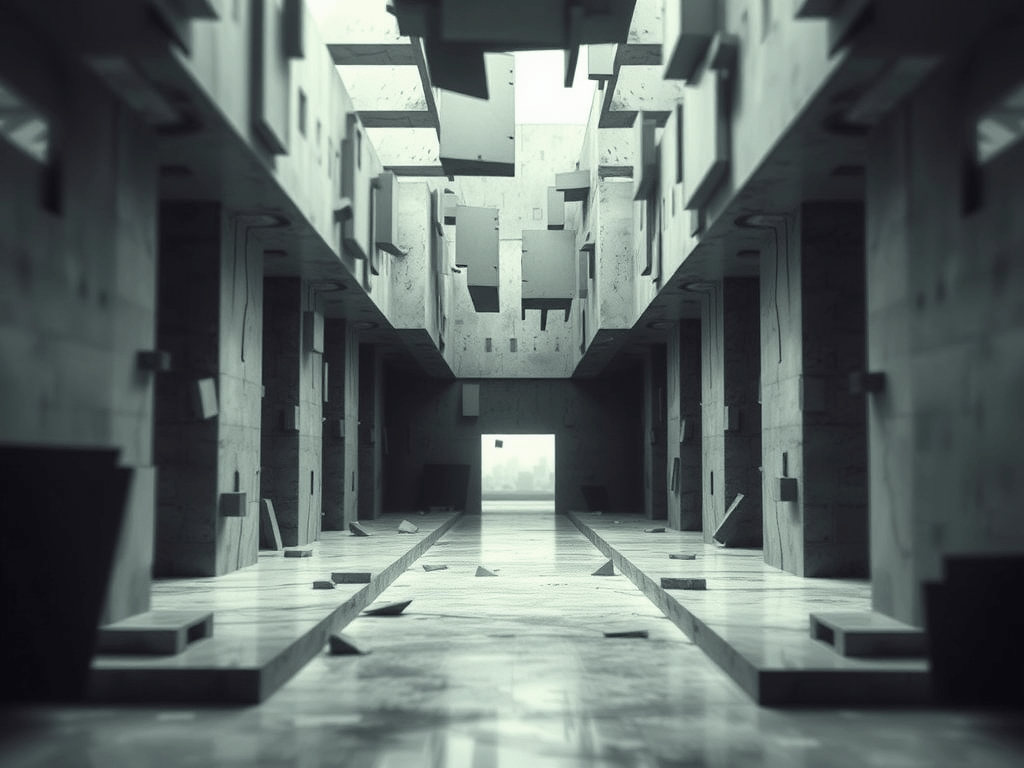
It leaves behind a vacuum — a space where the old architecture no longer functions, but no new architecture has yet formed. This vacuum is not emptiness. It is disorientation. It is the absence of the familiar gravitational pull. It is the moment when the field no longer tells people who they are, how to behave, or what to expect.
The vacuum is the most misunderstood phase of system collapse.
It feels like failure.
It feels like danger.
It feels like freefall.
But structurally, the vacuum is the first moment of genuine freedom — the moment when the system’s choreography dissolves and the body is no longer compelled to move according to inherited patterns.
This chapter maps the vacuum: what it feels like, why it is so destabilizing, and why it is the necessary precondition for transformation.
1. The Vacuum Is Not Absence — It Is Aftermath
The vacuum is not the absence of a system.
It is the afterimage of one.
It contains:
- the residue of old roles
- the echo of old narratives
- the muscle memory of old reflexes
- the emotional imprint of old hierarchies
- the lingering expectation of threat
The system is gone, but its logic still flickers.
The vacuum is the space where the body has not yet caught up to the collapse.
2. The Loss of Predictability
Systems — even harmful ones — provide predictability.
They offer:
- known roles
- known expectations
- known consequences
- known emotional weather
When the system collapses, predictability disappears.
This produces:
- disorientation
- anxiety
- confusion
- hypervigilance
- the sense that something is “wrong”
But nothing is wrong.
The choreography is simply gone.
The vacuum is the absence of enforced movement.
3. The Body Still Braces for Threat
Even after the system collapses, the body continues to brace:
- shoulders tighten
- breath shortens
- muscles contract
- reflexes activate
- vigilance spikes
These responses are not irrational.
They are lag — the body’s delayed update to a new reality.
The vacuum is the space where the body still expects the system to return.
4. The Mind Searches for the Old Architecture
The mind tries to reconstruct the system because:
- roles provided identity
- hierarchy provided orientation
- threat provided clarity
- obligation provided purpose
- narrative provided coherence
Without these, the mind feels unmoored.
The vacuum is the moment when the mind searches for a structure that no longer exists.
5. The Temptation to Rebuild the Old System
In the vacuum, people often attempt to recreate the system they just escaped.
This appears as:
- seeking new volatile centers
- adopting familiar roles
- recreating old dynamics in new contexts
- gravitating toward familiar hierarchies
- interpreting freedom as instability
This is not self‑sabotage.
It is pattern inertia — the tendency of the psyche to return to the last known structure.
The vacuum is the moment when the old system tries to resurrect itself through habit.
6. The Fear of Stillness
Systems of domination keep people in constant motion:
- appeasing
- anticipating
- absorbing
- performing
- stabilizing
When the system collapses, the motion stops.
Stillness emerges.
Stillness feels like danger because:
- the body associates it with punishment
- the mind associates it with failure
- the system taught that rest is unsafe
But stillness is not danger.
Stillness is the first moment of unpatterned existence.
The vacuum is the space where stillness becomes possible.
7. The Collapse of External Reference Points
In the vacuum, external reference points disappear:
- no one is setting the emotional weather
- no one is assigning roles
- no one is enforcing hierarchy
- no one is distributing blame
- no one is defining worth
This absence feels like loss.
It is actually neutrality.
The vacuum is the moment when the self is no longer defined by the system.
8. The Emergence of Internal Space
As the vacuum stabilizes, something unexpected appears:
- internal quiet
- internal spaciousness
- internal possibility
- internal orientation
This is not healing.
It is capacity — the space that emerges when the system no longer occupies the psyche.
The vacuum is the first moment when internal space becomes available.
9. The Risk of Premature Repatterning
The most dangerous moment in the vacuum is the urge to fill it immediately.
People often:
- rush into new relationships
- adopt new roles
- join new systems
- recreate old dynamics
- accept new forms of captivity
This is not weakness.
It is the discomfort of unstructured space.
The vacuum must be tolerated before transformation can occur.
10. The Vacuum as Structural Reset
The vacuum is not a void.
It is a reset.
It is the moment when:
- the old architecture is gone
- the new architecture has not formed
- the body is updating
- the mind is recalibrating
- the field is reorganizing
This reset is the precondition for any system‑level transformation.
The vacuum is the hinge between collapse and creation.
11. Why This Chapter Matters for the Unified Theory
The vacuum is the fourth stage of interruption.
It reveals:
- the disorientation that follows collapse
- the inertia of old patterns
- the body’s delayed update
- the mind’s search for structure
- the necessity of unpatterned space
The vacuum is not the end of the system.
It is the end of the system’s ability to define reality.
This chapter prepares the reader for the next phase — the moment when new patterns begin to form, not through coercion, but through agency.

























 Survivor Literacy
What do you think?