
Unified Theory of the Panthenogenesis of Power
PART VII — APPENDICES
Reference Architecture for the Unified Theory of the Panthenogenesis of Power
These appendices are not supplemental — they are structural. They provide the definitions, diagrams, timelines, and methodological notes that allow the Unified Hostage Logic Framework to function as a field, not just a text.
Appendix A — Glossary of Core Terms
A clean, precise lexicon for readers, scholars, and practitioners.
Hostage Logic
The foundational operating system of power in which bodies, relationships, or identities are held as collateral to secure obedience, stability, or continuity.
Pledge
A person, group, or resource offered as collateral to guarantee compliance.
Panthenogenesis of Power
Power that reproduces itself without a central tyrant — self‑birthing, self‑maintaining, self‑replicating through conduct, culture, and internalized threat.
SCRRIPPTT
Social Control Reinforced/Reproduced in Practice/Performance, Talk/Text — the mechanism by which hostage logic is transmitted and normalized.
Intraprisonation
The internalization of captivity; the moment when the person becomes their own hostage.
Self‑Hostaging
The psychological state in which a person polices, punishes, or restricts themselves to avoid external punishment.
Cult of the Ego
Micro‑hostage dynamics in which the most dysregulated person sets the rules and others become collateral.
Relational Linguistics
A method of reading language as a cultural nervous system that preserves systemic conduct across time.
Pattern Geometry
A neurodivergent cognitive method for detecting structural recurrence across domains.
Appendix B — Relational Linguistics: Methodological Notes
A clear articulation of how relational linguistics works as a research method.
- Words as cultural fossils
- Semantic resonance as evidence of systemic continuity
- Cross‑linguistic pattern detection
- How to identify “semantic rhymes”
- How to distinguish coincidence from structural residue
- How to use etymology to trace power, not just language
- Ethical considerations in interpreting linguistic evidence
This appendix positions relational linguistics as a legitimate, rigorous method for systemic analysis.
Appendix C — Historical Timelines of Hostage Practices
A structural timeline showing the evolution of hostage logic:
1. Early Indo‑European and clan‑based hostageship
- Kin pledges
- Marriage alliances
- Peace guarantees
2. Medieval Europe
- Feudal hostages
- Noble children as collateral
- Oath enforcement
3. Early modern expansion
- Captivity as governance
- Hostageship in diplomacy and empire
4. Trans‑Atlantic slavery
- Hereditary hostageship
- Bodies as collateral for wealth
5. Colonial and settler states
- Indigenous hostageship
- Territorial pledges
- Population control
6. Modern institutions
- Immigration precarity
- Military recruitment
- Prisons
- Insurance
- Workplace discipline
This timeline shows the unbroken continuity of the operating system.
Appendix D — Case Studies (Anonymous, Structural, Non‑Personal)
A set of structural case studies illustrating the theory without relying on individual stories.
Case Study 1 — Family System
How the Cult of the Ego reproduces hostage logic in households.
Case Study 2 — Workplace
How conditional belonging and self‑hostaging maintain corporate stability.
Case Study 3 — Immigration
How status becomes a pledge and precarity becomes enforcement.
Case Study 4 — Carceral State
How bodies are monetized as collateral for political and economic continuity.
Case Study 5 — Education
How compliance, shame, and performance scripts install intraprisonation early.
These case studies allow readers to see the system without personalizing it.
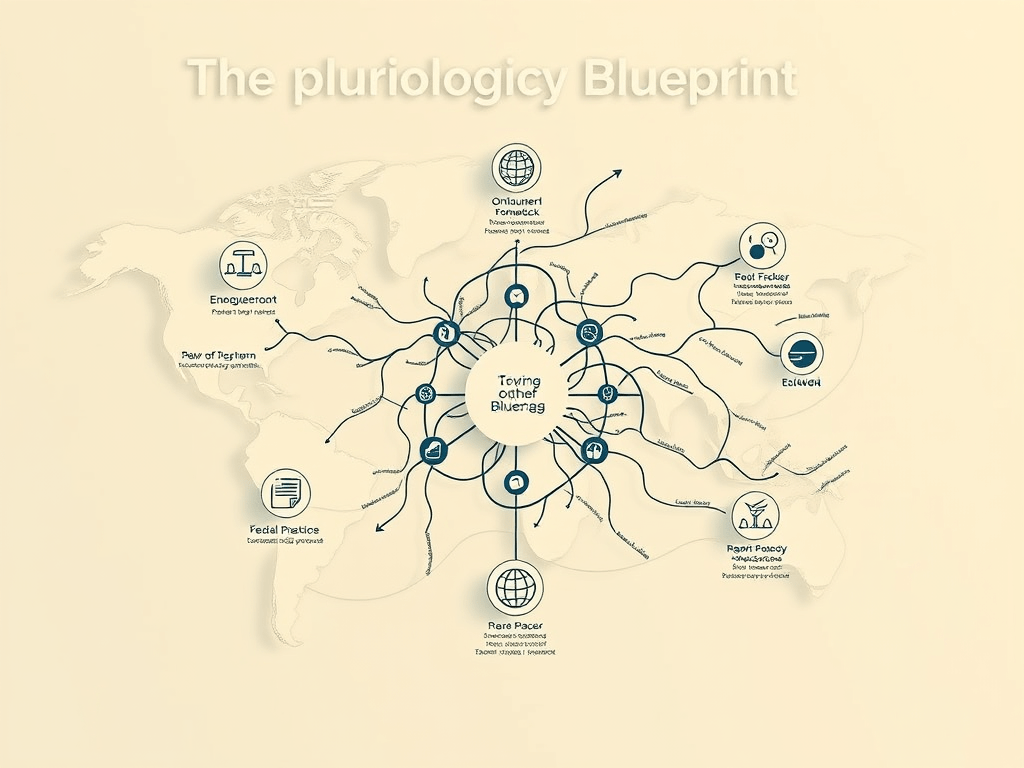
Appendix E — Diagrams of Systemic Reproduction
Visual conceptual maps (described textually for publication):
Diagram 1 — The Hostage Loop
Hostage → Compliance → Stability → Reproduction → New Hostage
Diagram 2 — The Internalization Spiral
External threat → Social script → Self‑policing → Self‑blame → Intraprisonation
Diagram 3 — The Mutation Map
Hostage logic → Colonial logic → Institutional logic → Psychological logic
Diagram 4 — The Break Point
Refusal to pledge → System backlash → Ethical rupture → Collapse of reproduction
These diagrams help readers grasp the fractal nature of the system.
Appendix F — Research Pathways for Future Scholars
A roadmap for the field.
- Comparative hostage systems across cultures
- Linguistic residues of power in non‑Indo‑European languages
- Neurodivergent cognition as a method of systemic detection
- SCRRIPPTT as a sociolinguistic phenomenon
- Intraprisonation as a psychological structure
- Post‑hostage governance models
- Peaceful societies as counter‑systems
- #UnifiedTheoryOfPower
- #HostageLogic
- #RelationalLinguistics
- #SystemsThinking
- #PatternGeometry
- #StructuralAnalysis
- #PowerFramework
- #Appendices































 Survivor Literacy
Leave a reply to Panthenogenesis of Power – Part Six – Liberation – Survivor Literacy Cancel reply