
Unified Theory of the Panthenogenesis of Power
PART I — ORIGIN
How Power Is Born
Chapter 1 — The Panthenogenesis of Power
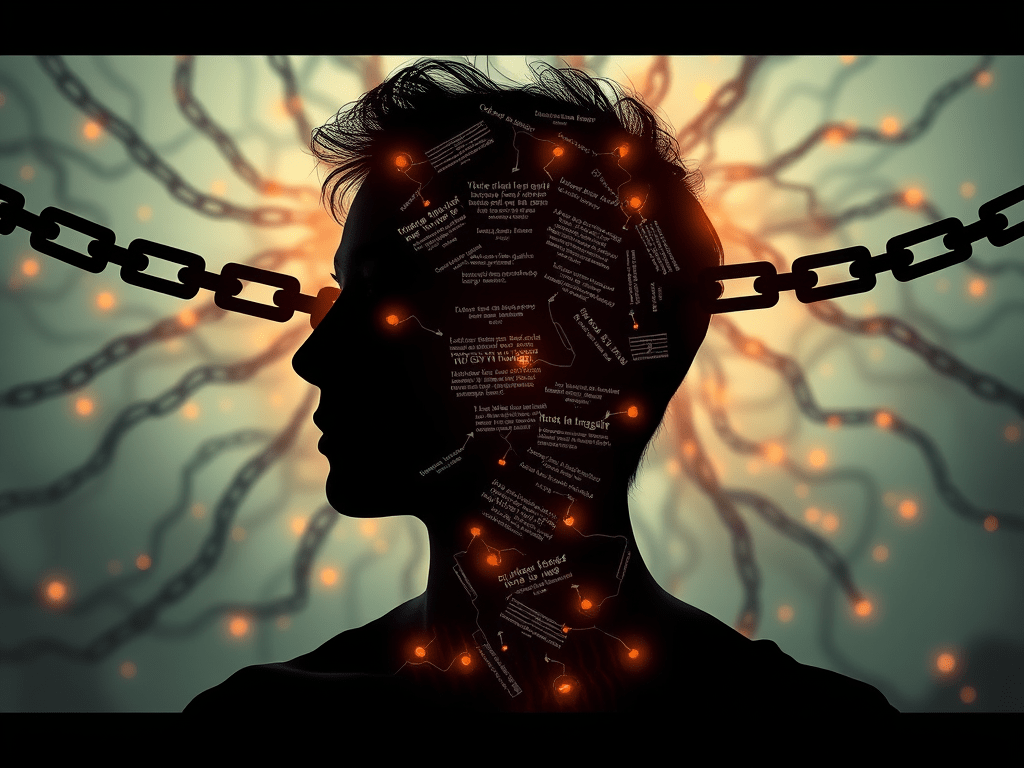
Power doesn’t begin with a tyrant, a throne, or a single violent act. It begins with a logic — a way of organizing bodies, obligations, and fear so effectively that the system no longer needs a central figure to maintain itself. Power becomes self‑birthing, reproducing through the very people it constrains.
Panthenogenesis means “self‑creation,” and that is exactly how power behaves. It emerges from relationships, expectations, and inherited scripts. It doesn’t require a mastermind. It only requires a structure that can replicate itself through conduct, culture, and internalized threat.
This Part lays the groundwork:
- how power first took shape
- how it learned to reproduce
- how it embedded itself in language
- how it became the invisible architecture of social life
Before power becomes institutional, it becomes relational. Before it becomes law, it becomes practice. Before it becomes coercion, it becomes expectation.
And before it becomes a system, it becomes a story — one that people learn to tell with their bodies long before they tell it with their words.
Chapter 2 — The Hostage‑Pledge System: The Original Operating System
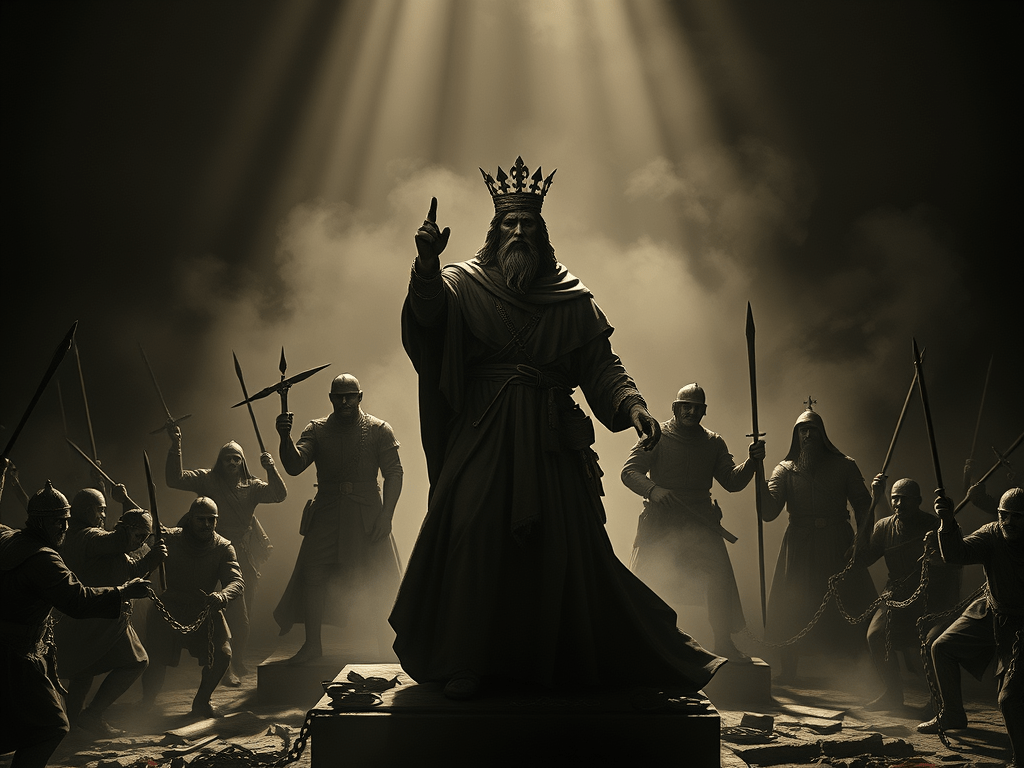
Long before modern states, armies, or bureaucracies, early European elites relied on a simple mechanism to secure obedience: hostageship. Not kidnapping — pledging. A child, sibling, or kin was given as collateral to guarantee loyalty, peace, or payment.
This wasn’t an aberration.
It was the operating system.
Hostageship created a world where:
- safety was conditional
- loyalty was enforced through bodies
- power was secured through the threat of loss
- families became instruments of political stability
This logic predates nations. It predates modern law. It predates the categories we use to understand power today. And it left traces everywhere — including in language itself.
The Gaelic ghiùlain (“to carry, to bear, to conduct oneself”) and the Old French gisel (“hostage, pledge”) are not just linguistic cousins. They are semantic fossils of a shared cultural logic:
the system carries its power by carrying hostages.
This is the origin point of the Unified Hostage Logic Framework.
Chapter 3 — Relational Linguistics: Language as Systemic Confession
Traditional linguistics teaches us to separate form from meaning. But relational linguistics — the method emerging from Relational Field Theory — treats language as a cultural nervous system. Words carry the residues of the systems that shaped them.
When a word’s geometry echoes another across languages, and their meanings rhyme across centuries, that is not coincidence. It is systemic conduct preserved in language.
Relational linguistics allows us to:
- detect cultural logic through semantic resonance
- read power structures through etymology
- understand how systems describe themselves unconsciously
- trace the lineage of domination across linguistic families
This chapter establishes the method that makes the entire theory possible.
- #UnifiedTheoryOfPower
- #HostageLogic
- #RelationalLinguistics
- #SystemsOfConduct
- #Panthenogenesis
- #CulturalResidue
- #PowerAnalysis
- #DeepStructure





























 Survivor Literacy
Leave a reply to Panthenogenesis of Power – Field Outline – Survivor Literacy Cancel reply