
Pluriology
The Pluriological Rituals — Collective Practices That Sustain Rhythmic and Relational Coherence
#PluriologicalRituals #RelationalCeremony #FieldRhythms #ManyInRelation
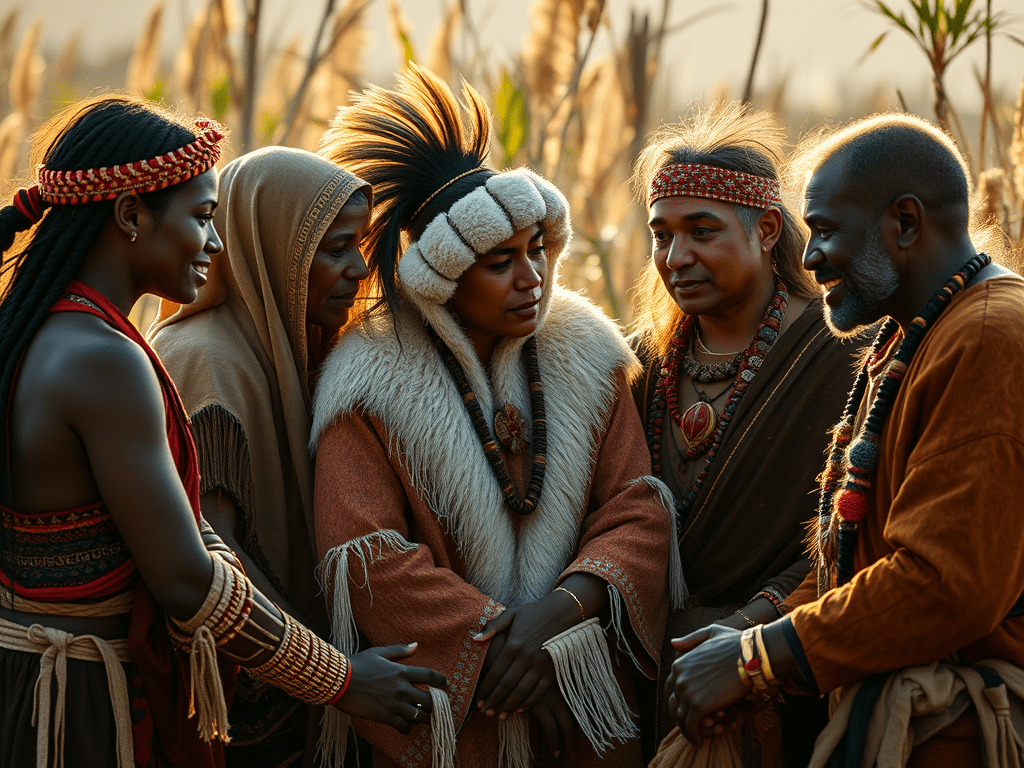
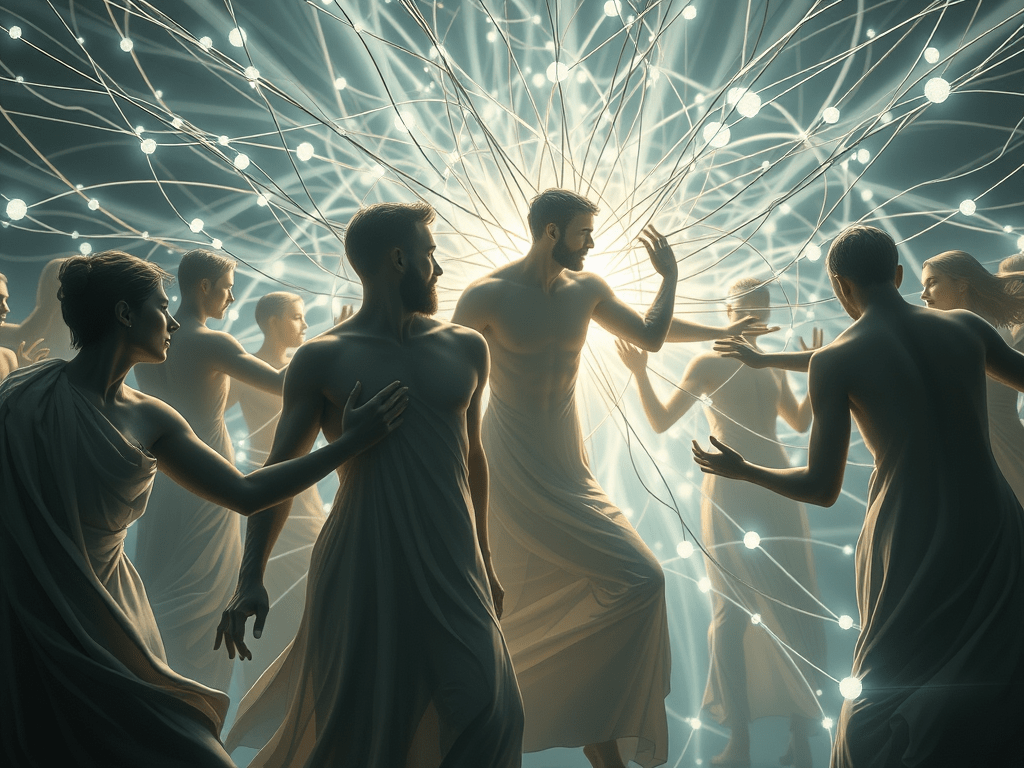
Every discipline has rituals. Not in the religious sense, but in the ecological sense — repeatable practices that stabilize a field, synchronize a community, and anchor a lineage across time. Rituals are how a discipline remembers itself. They are how a community maintains coherence. They are how practitioners return to the ontology when the world becomes noisy.
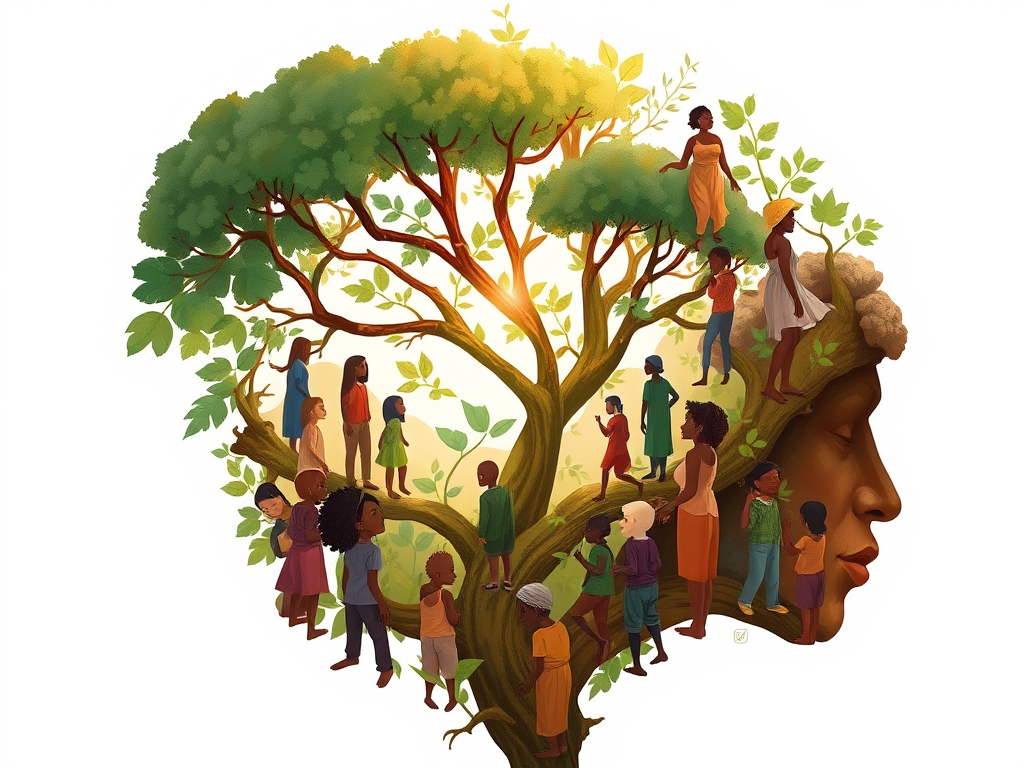
Pluriology, as a discipline of rhythm, relation, and multiplicity, naturally generates its own ritual architecture. These rituals are not performances. They are field‑shaping events — practices that align the plurallile self, the community, and the Pluriome.
This chapter outlines the core rituals of Pluriology: the ceremonies, rhythms, and collective practices that sustain the discipline as a living field.
I. What Makes a Ritual Pluriological
#RitualCriteria #RelationalCeremony
A Pluriological Ritual must:
- honor rhythm
- support mode transitions
- protect multiplicity
- sense the field
- avoid coercion
- invite coherence
- allow emergence
- follow the non‑interference ethic
A ritual is not something you do.
It is something you enter.
II. The Four Foundational Rituals of the Discipline
#FoundationalRituals #CorePractices
These rituals correspond to the four modes of the Pluriogenic Cycle.
1. The Listening Hour (Perception Ritual)
Archetype: The Listener
A quiet, widening ritual practiced individually or in groups.
Purpose
- attune to the field
- sense contraction or expansion
- widen without interpreting
Structure
- silence
- slow breathing
- field sensing
- naming what is present without meaning‑making
This ritual trains the practitioner in non‑interference.
2. The Unweaving (Reconfiguration Ritual)
Archetype: The Weaver
A ritual of dissolving, reorganizing, and releasing.
Purpose
- loosen rigid patterns
- allow identity to reorganize
- support downward movement
Structure
- journaling
- mapping
- symbolic “unthreading” gestures
- dim light, low sound
This ritual honors the ecology of sinking.
3. The Bridge Circle (Connection Ritual)
Archetype: The Bridge
A relational ritual practiced in groups.
Purpose
- synchronize rhythms
- harmonize multiplicity
- create relational coherence
Structure
- circular seating
- shared sensing
- mode synchrony check‑ins
- resonance exercises
This ritual strengthens the between.
4. The Cresting (Output Ritual)
Archetype: The Flame
A ritual of expression and completion.
Purpose
- allow Output Mode to crest
- complete cycles
- express integrated coherence
Structure
- creative expression
- movement
- speaking
- symbolic release
This ritual honors the metabolic completion of the cycle.
III. The Collective Rituals — When the Community Moves as One
#CollectiveRituals #FieldSynchrony
These rituals are practiced at the community level.
1. The Field Convergence
A large gathering where the community senses the collective field.
Purpose
- detect collective contraction or expansion
- identify collective disturbances
- align rhythms
Structure
- field sensing
- mapping
- shared silence
- collective naming
This ritual stabilizes the macrofield.
2. The Rhythm Weave
A ritual of collective reconfiguration.
Purpose
- reorganize the discipline’s language or tools
- integrate new insights
- dissolve outdated structures
Structure
- collaborative mapping
- symbolic weaving
- shared reflection
This ritual keeps the discipline alive and adaptive.
3. The Coherence Fire
A ritual of collective expression.
Purpose
- celebrate crest
- release accumulated energy
- mark transitions in the lineage
Structure
- storytelling
- music
- movement
- symbolic burning or releasing
This ritual strengthens the lineage identity.
IV. The Seasonal Rituals — The Discipline’s Temporal Ecology
#SeasonalRituals #TemporalRhythm
Pluriology recognizes four seasonal rhythms that mirror the modes.
1. The Season of Widening (Spring)
Perception rituals dominate.
2. The Season of Sinking (Summer)
Reconfiguration rituals deepen.
3. The Season of Reaching (Autumn)
Connection rituals flourish.
4. The Season of Cresting (Winter)
Output rituals complete cycles.
These seasonal rhythms create a temporal coherence for the community.
V. The Micro‑Rituals — Everyday Practices That Maintain Coherence
#MicroRituals #DailyRhythms
Small, repeatable practices:
- mode check‑ins
- field scans
- rhythmic pauses
- micro‑anchors
- constraint naming
- repair orientation
These rituals keep the plurallile self aligned with the field.
VI. The Ritual of Return — The Discipline’s Core Ceremony
#RitualOfReturn #LineageAnchor
The most important ritual in Pluriology.
Purpose
To return to:
- the ontology
- the ethics
- the rhythm
- the field
- the lineage
Structure
- silence
- naming the core truths
- sensing the field
- reaffirming stewardship
This ritual protects the discipline from fragmentation.
VII. Why Rituals Matter
#RitualIntegrity #FieldStability
Pluriological Rituals:
- stabilize the field
- synchronize the community
- protect the ontology
- support mode transitions
- honor multiplicity
- maintain coherence
- anchor the lineage
They are the heartbeat of the discipline.





















 Survivor Literacy
What do you think?