Pluriology
The Pluriological Narrative — How Stories, Case Studies, and Lived Examples Transmit the Discipline’s Logic
#PluriologicalNarrative #CaseStories #EmbodiedKnowledge #ManyInRelation
A discipline becomes real when it can be told. Not explained, not diagrammed — told. Stories are how humans metabolize complexity. They are how we transmit rhythm, field, and multiplicity across generations. Pluriology, as a relational and rhythmic science, depends on narrative not as illustration, but as method. A story is a field in motion. A case study is a mode sequence unfolding. A lived example is a coherence landscape made visible.
This chapter outlines how narrative functions inside Pluriology: as pedagogy, as research, as lineage, and as the primary way practitioners learn to feel the discipline.
I. Why Narrative Is Essential to Pluriology
#NarrativeLogic #RelationalTransmission
Pluriology studies:
- rhythms
- transitions
- disturbances
- fields
- multiplicity
These are not static phenomena. They are temporal and relational. Narrative is the only medium that can hold:
- sequence
- timing
- context
- relational pressure
- ecological influence
A story is a mode timeline disguised as language.
II. The Three Forms of Pluriological Narrative
#NarrativeForms #FieldStorytelling
Pluriology uses three narrative forms, each serving a different function.
1. The Case Story (Applied Narrative)
A real or composite example showing:
- mode transitions
- disturbances
- constraints
- repair cascades
- field dynamics
Case stories are not diagnostic. They are rhythmic maps in narrative form.
2. The Field Story (Relational Narrative)
A story about:
- a group
- a community
- a workplace
- a creative collective
Field stories reveal:
- collective modes
- collective disturbances
- relational currents
- macrofield pressures
They show how the Pluriome behaves at scale.
3. The Mythic Story (Symbolic Narrative)
A story that uses:
- archetypes
- symbols
- metaphors
- ecological imagery
Mythic stories transmit the soul of the discipline.
III. The Anatomy of a Pluriological Case Story
#CaseAnatomy #NarrativeCartography
A Pluriological case story has five components:
1. The Field
What relational, cultural, or ecological pressures shape the story.
2. The Rhythm
Where the cycle begins (Perception, Reconfiguration, Connection, Output).
3. The Disturbance
Which adaptive mismatch appears.
4. The Constraint
What survival pressure blocks the transition.
5. The Repair Cascade
How coherence naturally returns.
This structure mirrors the discipline’s cartography.
IV. Example: A Micro‑Case Story (Individual)
#MicroCase #ModeSequence
A musician sits down to write.
They feel restless — a rising urgency.
They push themselves to produce.
The agitation intensifies.
This is Overrider — a premature rise into Output.
The constraint:
“If I slow down, I’ll lose momentum.”
The repair:
A brief return to Perception — a widening breath, a softening of pace.
The cycle resets.
Output emerges naturally.
This story teaches rhythmic integrity.
V. Example: A Field Story (Group)
#FieldCase #CollectiveRhythm
A creative team enters a new project.
Everyone is excited — too excited.
Ideas scatter.
Meetings spiral.
Nothing lands.
This is Scatterfield — collective fragmentation.
The constraint:
“We must impress the client immediately.”
The repair:
A collective contraction ritual.
Silence.
Field sensing.
A shared map of the project’s rhythm.
The group synchronizes.
Connection Mode returns.
This story teaches collective coherence.
VI. Example: A Mythic Story (Symbolic)
#MythicCase #ArchetypalTransmission
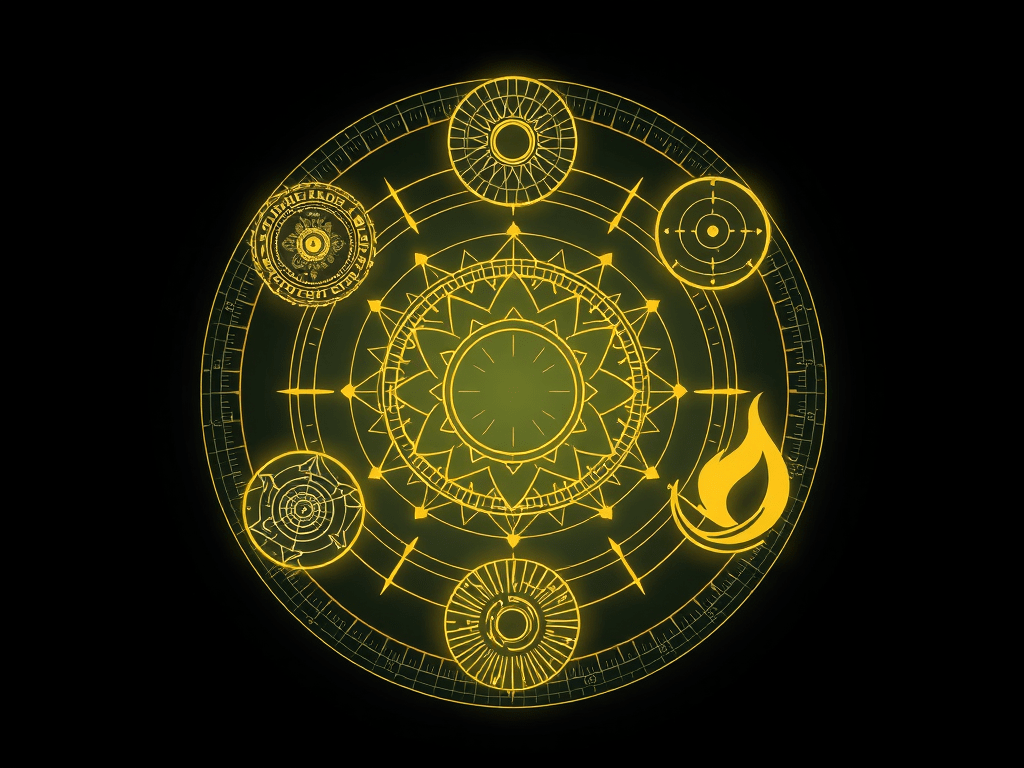
The Flame burned too early.
The Bridge reached too soon.
The Weaver had not yet unthreaded the old pattern.
The Listener had not yet widened the field.
The cycle collapsed.
So the four archetypes gathered.
They agreed to move in rhythm:
- The Listener widens.
- The Weaver sinks.
- The Bridge reaches.
- The Flame crests.
The world regained its timing.
This story teaches mode sequencing.
VII. How Practitioners Use Narrative
#PractitionerNarrative #AppliedStory
Practitioners use narrative to:
- teach mode literacy
- illustrate disturbances
- reveal constraints
- normalize multiplicity
- show repair cascades
- contextualize experience
- transmit ethics
A good Pluriological story is a mirror, not a diagnosis.
VIII. How Narrative Protects the Discipline
#NarrativeIntegrity #LineageProtection
Narrative:
- prevents abstraction
- keeps the discipline embodied
- anchors ethics in lived examples
- protects against pathologizing
- preserves lineage memory
- stabilizes community identity
Stories are the immune system of the field.
IX. Why the Pluriological Narrative Matters
#NarrativeCoherence #LivingLineage
Narrative is how Pluriology becomes:
- teachable
- transmissible
- relatable
- embodied
- alive
It is the bridge between theory and lived experience.
It is the vessel through which the discipline travels across time.
























 Survivor Literacy
What do you think?