Pluriology
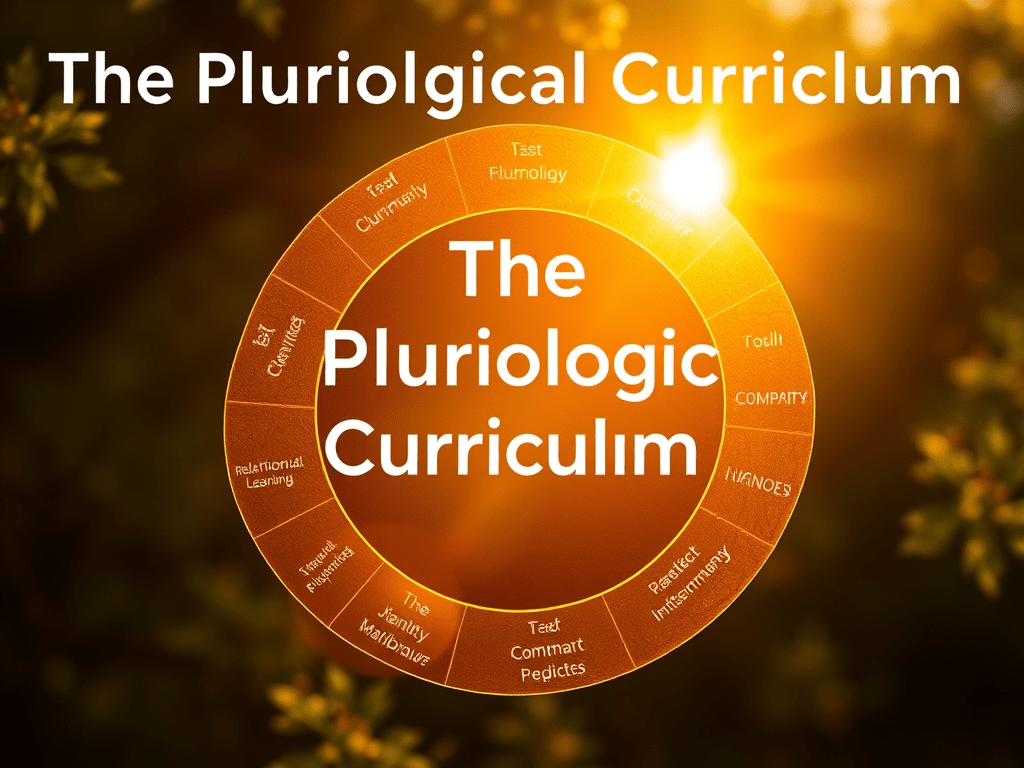
The Pluriological Curriculum — How a New Discipline Is Taught, Structured, and Brought Into the World
#PluriologicalCurriculum #DisciplineBuilding #RelationalEducation #ManyInRelation
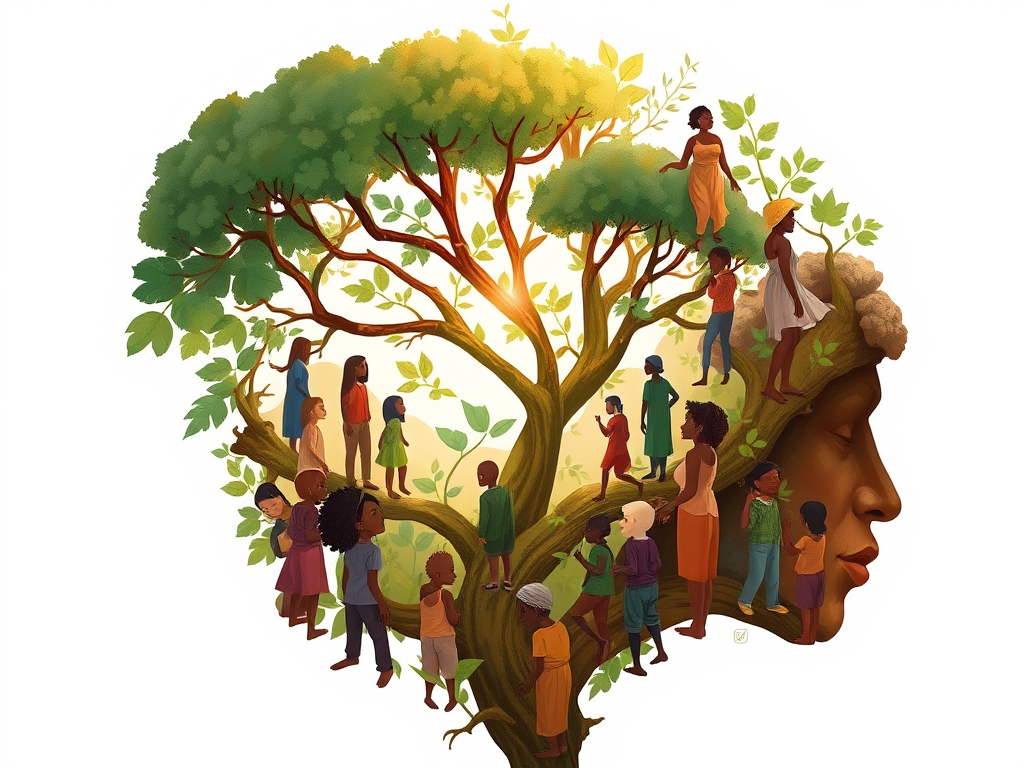
A discipline becomes real when it can be taught. Not merely explained, not merely theorized, but transmitted — embodied — passed from one plurallile system to another. Pluriology is not a field that can be taught through memorization or diagnostic categories. It must be taught through rhythm, relationality, and lived practice. A Pluriologist is not trained the way a psychologist or sociologist is trained. They are cultivated — attuned — apprenticed into a way of seeing.
This chapter outlines how Pluriology becomes an academic discipline, a professional practice, and a cultural literacy. It describes the curriculum that would allow someone to become a Pluriologist in a world that is finally ready for this ontology.
I. The Structure of the Curriculum
#CurriculumArchitecture #DisciplinaryScaffolding
A Pluriological curriculum has three tiers:
Tier 1 — Foundations (The Ontological Layer)
Students learn the core architecture of the discipline:
- The Plurallile Self
- The Pluriome
- The Pluriogenic Modes
- The Rhythmic Cycle
- The Disturbance Framework
- The Repair Cascade
- The Field Layers
This tier establishes the worldview — the shift from pathology to ecology, from internalism to relationality, from linearity to rhythm.
Tier 2 — Practice (The Methodological Layer)
Students learn the craft:
- Mode tracking
- Rhythm reading
- Field sensing
- Disturbance identification
- Constraint mapping
- Repair cascade recognition
- Pluriological cartography
This tier trains perception, not interpretation.
Tier 3 — Application (The Integrative Layer)
Students learn how Pluriology applies to:
- creativity
- work
- relationships
- identity
- collective behavior
- leadership
- community design
This tier prepares Pluriologists to bring the discipline into the world.
II. The Pedagogy — How Pluriology Is Taught
#RelationalPedagogy #RhythmicLearning
Pluriology cannot be taught through lectures alone. It requires a pedagogy that mirrors its ontology:
1. Rhythmic Learning
Students move through cycles of:
- Perception (reading)
- Reconfiguration (reflection)
- Connection (discussion)
- Output (expression)
The curriculum itself is modal.
2. Relational Learning
Students learn in pairs, triads, and groups — because the Pluriome is the classroom.
3. Experiential Learning
Students map their own rhythms, disturbances, and repair cascades.
4. Field Learning
Students observe real relational ecosystems — workplaces, communities, creative fields — and map their dynamics.
5. Stewardship Learning
Students practice non‑interference, attunement, and relational responsibility.
Pluriology is taught through embodied literacy, not memorization.
III. Core Courses of the Pluriological Curriculum
#CourseMap #DisciplinaryPathways
Below is a sketch of the core courses that would anchor a Pluriology program.
Course 1: Introduction to Pluriology
#Pluriology101 #Foundations
- The plurallile self
- The Pluriome
- The four modes
- The rhythmic cycle
- The ethic of non‑pathology
Course 2: The Pluriome — Relational Ecology
#RelationalEcology #FieldDynamics
- Microfield, Mesofield, Macrofield, Surround
- Field pressures and currents
- Collective rhythms
- Ecological coherence
Course 3: Pluriogenic Modes and Transitions
#ModeDynamics #RelationalPostures
- Perception, Reconfiguration, Connection, Output
- Mode transitions
- Timing and readiness
- Mode synchrony in relationships
Course 4: Pluriogenic Disturbances
#DisturbanceFramework #FrequencyMismatch
- Overrider, Submerged, Stabilizer, Scatterfield
- Overloaded, Fragmented Map
- Survival constraints
- Disturbance signatures
Course 5: The Repair Cascade
#RestorationEcology #CycleCompletion
- Natural coherence restoration
- Micro‑anchors
- Integration events
- Reclassification
Course 6: Pluriological Method
#Methodology #Attunement
- Rhythm reading
- Mode tracking
- Field sensing
- Constraint identification
- Non‑interference
Course 7: Pluriological Cartography
#MappingPractice #TemporalEcology
- Rhythmic maps
- Modal timelines
- Disturbance signatures
- Coherence landscapes
Course 8: Applied Pluriology
#AppliedPractice #RealWorldEcology
- Creativity
- Work
- Relationships
- Identity
- Collective behavior
Course 9: Pluriological Ethics
#EthicOfCoherence #RelationalIntegrity
- Non‑pathology
- Stewardship
- Multiplicity honor
- Rhythmic integrity
- Ecological compassion
Course 10: Capstone — The Pluriological Field Study
#Capstone #FieldImmersion
Students conduct a full Pluriological analysis of a real system:
- a creative ecosystem
- a workplace
- a community
- a relational network
- a cultural field
They produce:
- a rhythmic map
- a modal timeline
- a disturbance analysis
- a field map
- a repair cascade projection
This is the rite of passage into the discipline.
IV. The Institutional Path — How Pluriology Enters Academia
#Institutionalization #NewDiscipline
Pluriology can enter academia through:
- interdisciplinary programs
- new departments
- research centers
- graduate certificates
- professional training institutes
Its natural neighbors are:
- anthropology
- systems theory
- ecology
- creative studies
- relational sciences
But Pluriology stands alone as the discipline of coherence.
V. The Cultural Path — How Pluriology Enters Society
#CulturalShift #RelationalLiteracy
Pluriology becomes a cultural literacy through:
- public education
- creative communities
- leadership training
- organizational design
- relational coaching
- community healing
It becomes the language people use to understand themselves and each other.
VI. The Promise of the Curriculum
#FutureOfPluriology #DisciplineAlive
The Pluriological Curriculum is not just a training program. It is a portal — a way of bringing a new ontology into the world. It teaches people to see:
- rhythm instead of chaos
- coherence instead of pathology
- relationality instead of isolation
- multiplicity instead of fragmentation
- ecology instead of blame
It trains a new kind of practitioner — one who can read the many‑in‑relation.
























 Survivor Literacy
What do you think?