Relational Field Theory
The Trauma of Treating Communal Wounds as Personal Ones
(why misattribution harms more than the wound itself)
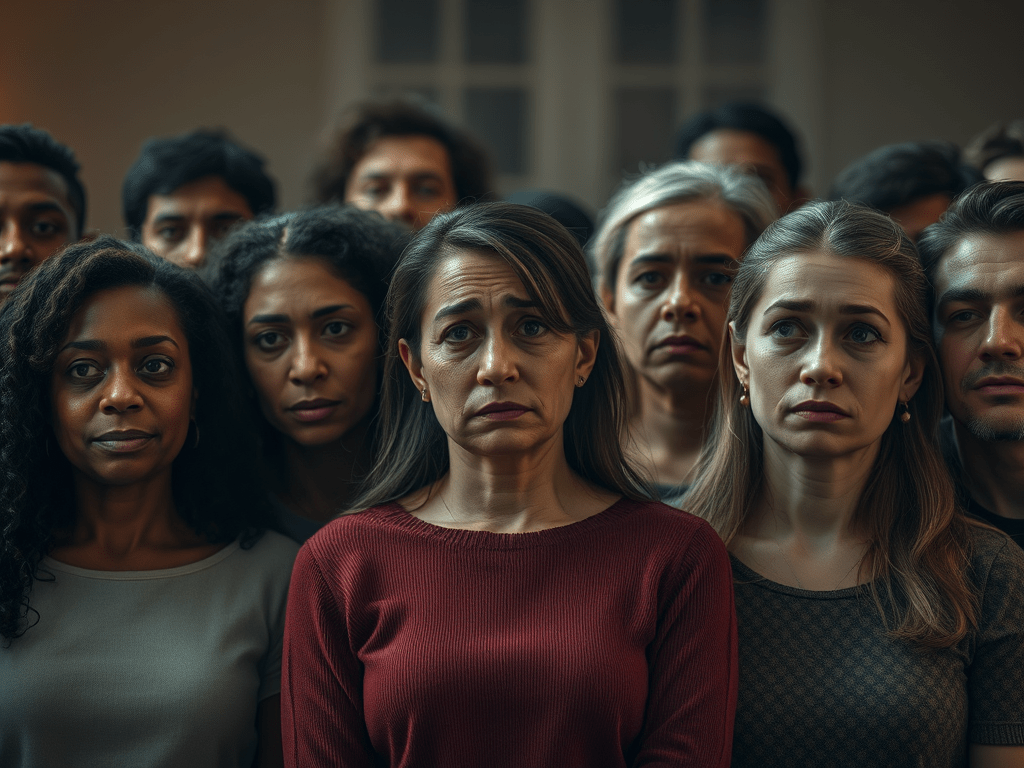
Some of the deepest suffering people carry didn’t come from what happened to them — it came from how the harm was interpreted.
When a communal wound — a structural failure, a cultural rupture, a systemic betrayal — is treated as a personal shortcoming, the result is a form of trauma that is both invisible and devastating.
It is trauma created not by the event, but by the misattribution of the event.
And this misattribution is one of the most common, most corrosive, and most preventable forms of harm in human communities.
1. The Wound Was Collective — But the Blame Was Individual
Communal wounds include:
- institutional abandonment
- cultural silencing
- generational trauma
- systemic discrimination
- broken promises by authorities
- failures of care
- ruptures in the relational field
These are field‑level events — too large for any one person to cause or resolve.
But when the community refuses to acknowledge the scale, the harm gets pushed downward onto the individual.
The message becomes:
“You should have handled it.”
“You should have known better.”
“You should have been stronger.”
“You should have prevented this.”
This is not accountability.
This is distortion.
And distortion is traumatic.
2. Misattribution Creates a Second Wound — Often Worse Than the First
The original wound may have been painful.
But the misattribution — the belief that you caused it, deserved it, or failed to prevent it — becomes a second wound layered on top of the first.
This second wound is often the one that lingers.
It creates:
- chronic shame
- self‑doubt
- collapse of identity
- internalized blame
- lifelong hypervigilance
- fear of being “too much”
- fear of being “not enough”
The trauma is not the rupture.
The trauma is the story the community forces the survivor to carry.
3. Sensitive Systems Are Harmed the Most
People with high pattern recognition — autistic people, trauma‑attuned people, field‑sensitive people — are especially vulnerable to this kind of harm.
Not because they are fragile.
Because they are accurate.
They detect the rupture first.
They feel the distortion most intensely.
They sense the mismatch between what happened and what is being said.
But when the community insists the wound is personal, the sensitive system tries to reconcile the contradiction by turning the blame inward.
This is not pathology.
It is coherence‑seeking.
And it becomes trauma when the system cannot resolve the contradiction.
4. Treating Collective Wounds as Personal Ones Creates an Existential Void
When a person tries to metabolize a wound that is too large for one body, one psyche, or one life, they hit an existential void.
A sense of:
- bottomlessness
- meaninglessness
- collapse
- annihilation
- “I am the problem”
- “I am the wound”
But the void is not a personal abyss.
It is a scale error.
The person is trying to resolve a wound that belongs to the field.
And no individual can do that.
5. The Trauma Is Preventable — If the Community Learns to Read the Field
The tragedy is that this trauma is not inevitable.
It happens because communities:
- avoid discomfort
- deny their own failures
- silence survivors
- collapse complexity into blame
- protect the powerful
- fear accountability
- lack survivor literacy
A survivor‑literate community would never force an individual to carry a collective wound.
It would say:
“This is bigger than you.”
“This is not your fault.”
“This is a field‑level rupture.”
“We will hold this together.”
And the trauma would never take root.
6. Returning the Wound to the Field Is the Beginning of Healing
Healing begins when the survivor can finally say:
“This was never mine.”
“This was a collective wound misassigned to me.”
“This pain belongs to the field.”
“This shame was never earned.”
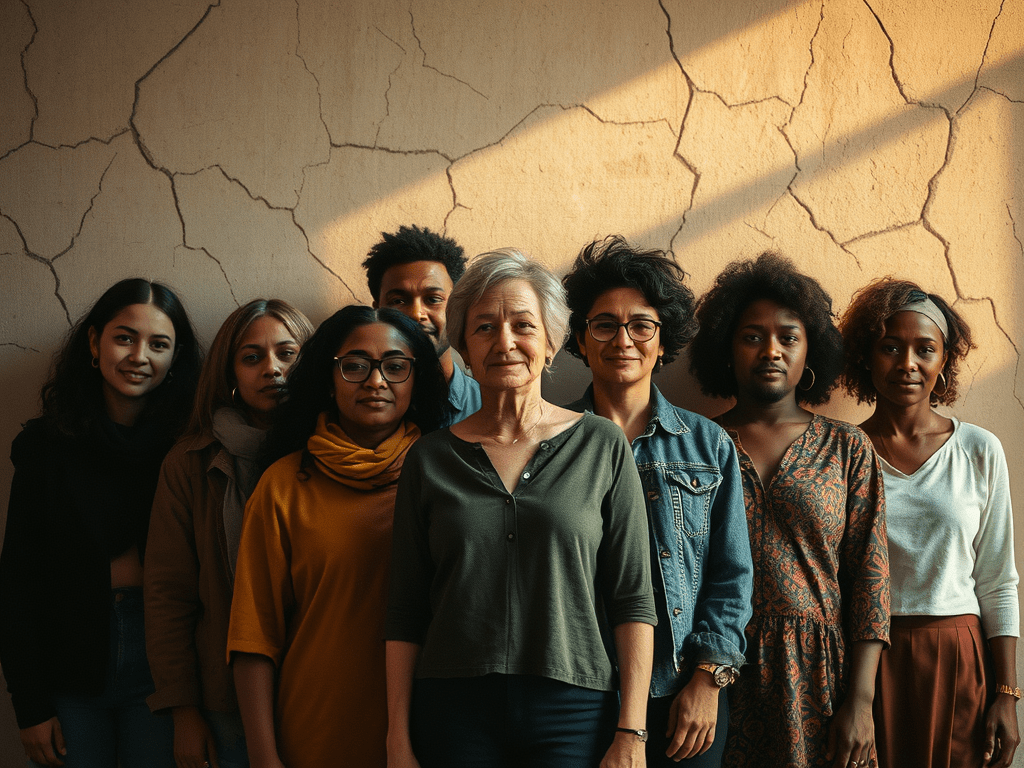
When the wound is returned to its rightful scale, the trauma begins to dissolve — not because the past changes, but because the story changes.
The survivor steps out of the role of “the problem” and into the role of “the one who felt the problem.”
And that shift is liberating.
7. The Real Work Is Communal, Not Individual
The trauma of misattribution cannot be healed by:
- self‑improvement
- resilience
- grit
- therapy alone
- forgiveness
- personal growth
Because the wound was never personal.
Healing requires:
- recognition
- truth
- shared responsibility
- communal repair
- survivor literacy
- field awareness
The community must evolve for the survivor to be free.
8. The Survivor Was Never the Wound — They Were the Signal
This is the truth beneath everything:
The survivor was not the rupture.
They were the instrument detecting the rupture.
They were not the cause.
They were the indicator.
They were not the failure.
They were the evidence that something larger had failed.
And once the community understands this — once the field becomes literate — the trauma can finally be named, understood, and released.



























 Survivor Literacy
What do you think?