
Relational Field Theory
How Dimensional Thinking Dissolves Guilt and Shame
One of the most unexpected things that happens when people first encounter dimensional mapping is this:
they feel relief.
Not because the model is simple.
Not because it’s comforting.
But because it finally explains something they’ve been carrying for years.
Most guilt in relationships doesn’t come from what actually happened.
It comes from collapsing a multi‑dimensional event into a single dimension.
When we don’t have a map, we assume:
- “I failed them.”
- “I should have known.”
- “I misread everything.”
- “I abandoned them.”
- “I caused the collapse.”
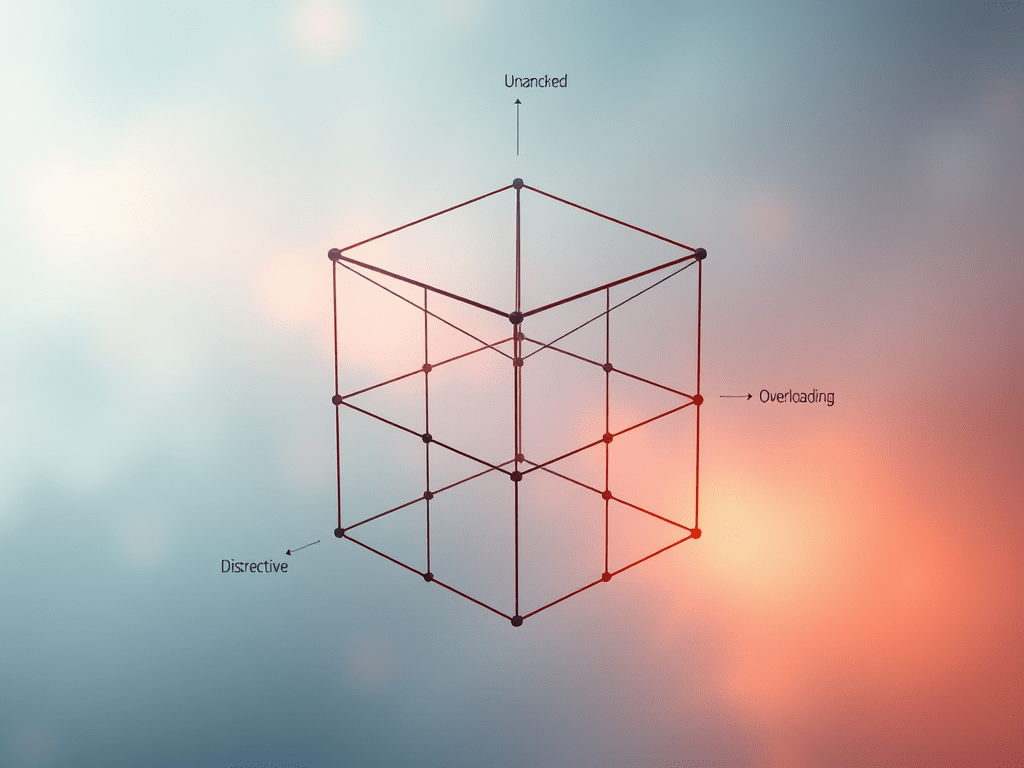
But once you understand the relational hypercube, something shifts.
You stop interpreting relational events as moral failures and start seeing them as coordinate mismatches.
Here’s what that does.
It reframes the past without rewriting it
Dimensional thinking doesn’t erase what happened.
It reframes how it happened.
Instead of:
- “I hurt them,”
you get: - “They were protective and unanchored.”
Instead of:
- “I should have stayed,”
you get: - “The field was disrelating structurally.”
Instead of:
- “I failed to show up,”
you get: - “We were in incompatible quadrants.”
This isn’t an excuse.
It’s an explanation.
And explanations dissolve shame.
It separates structure from responsibility
Most guilt comes from misinterpreting structural states as personal choices.
For example:
- Someone goes protective → we think they’re rejecting us
- Someone unanchors → we think they’re withdrawing
- Someone disrelates → we think they’re angry
- Someone collapses → we think we caused it
But these are dimensional states, not moral judgments.
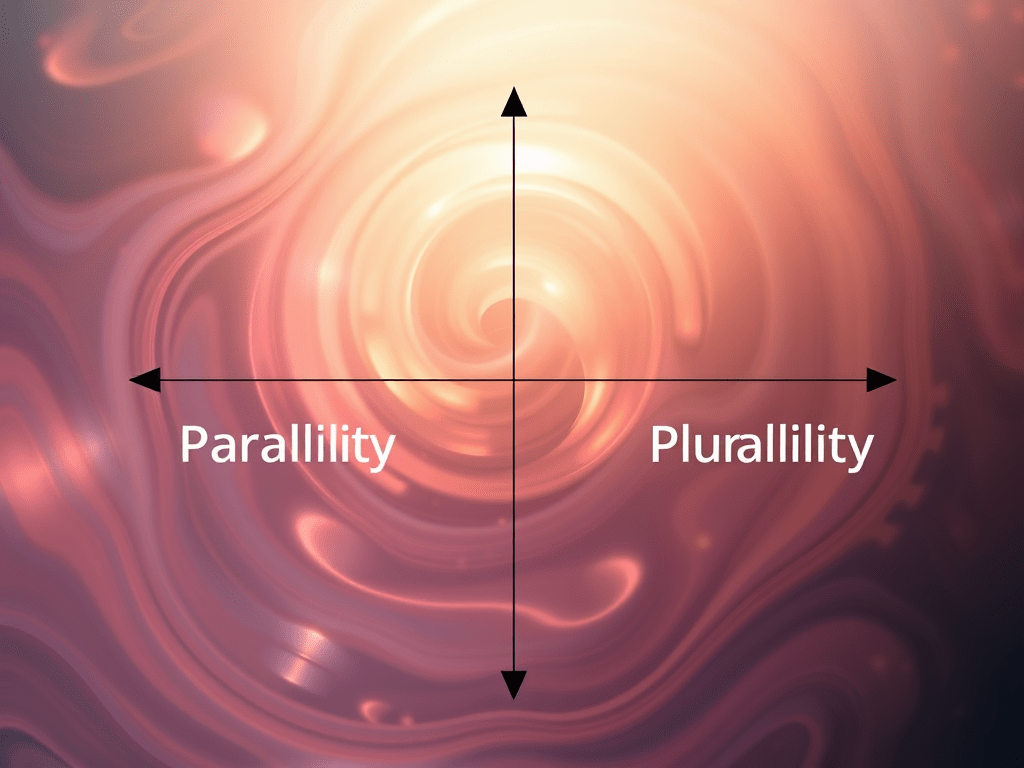
Once you see the axes, you can finally say:
“This wasn’t my fault. This was the field.”
That sentence alone has changed people’s lives.
It restores agency by showing where repair is actually possible
Guilt freezes people.
It makes them believe the past is fixed and the future is doomed.
Dimensional thinking does the opposite.
It shows that:
- unanchored states can be anchored
- protective states can be made safe
- disrelate states can be attuned
- parallile overload can be regulated
- singular rigidity can be softened
You stop blaming yourself for the wrong thing.
You start repairing the right thing.
This is the beginning of precision relational repair.
It gives people a way to reinterpret their history without self‑punishment
This is where the model becomes personal.
Many people have spent years carrying guilt for:
- friendships that collapsed
- relationships that misfired
- conversations that went sideways
- moments where they froze or withdrew
- situations where they couldn’t hold the field
Dimensional thinking lets them revisit those moments with new eyes.
Not to rewrite the past.
To understand it.
And understanding is what releases guilt.
It opens new paths forward that weren’t visible before
When guilt dissolves, possibility returns.
People can:
- reconnect without shame
- repair without fear
- set boundaries without guilt
- walk away without self‑blame
- re‑enter relationships with clarity
- forgive themselves for things they never caused
This is why dimensional thinking matters.
It doesn’t just explain relationships.
It heals them.
Next up:
How dimensional thinking reframes collapse — and why so many of us have misinterpreted collapse as personal failure instead of structural inevitability.





























 Survivor Literacy
What do you think?