
Relational Field Theory
Plurallile vs. Incohesion: A Simple Guide to Two Very Different Kinds of “Many”
Most people think of the self as a single, unified thing—one voice, one identity, one “me.”
But anyone who has ever felt conflicted, torn, or pulled in different directions knows that the inner world is rarely that simple.
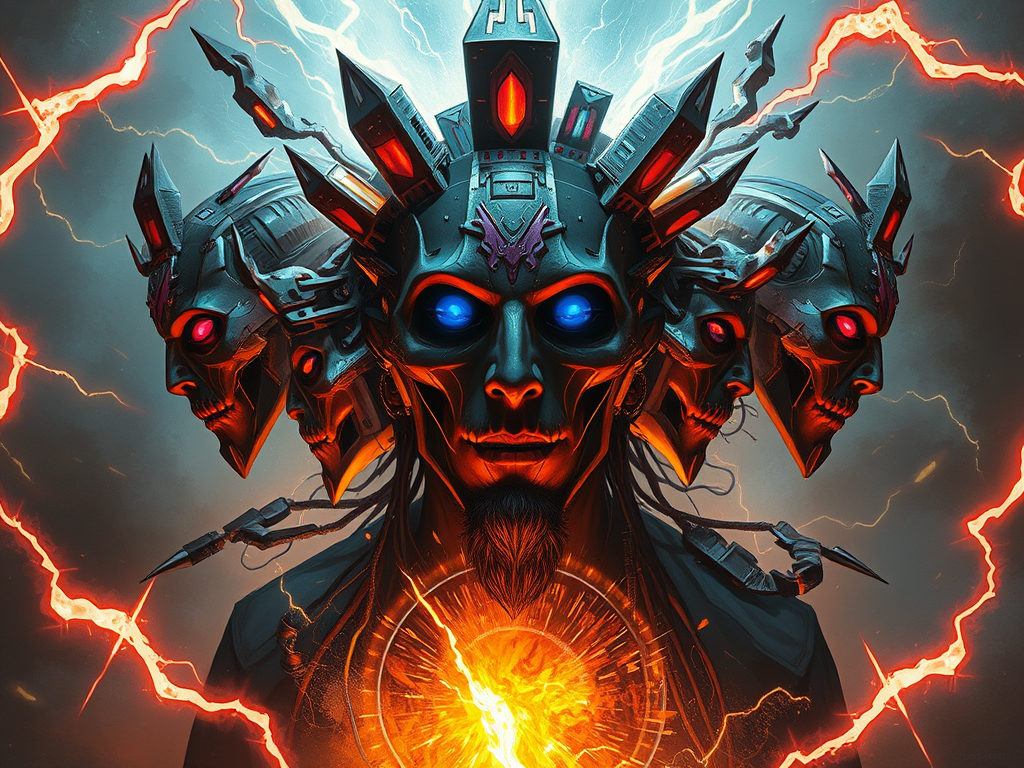
Inside each of us, there are many:
- many impulses
- many perspectives
- many moods
- many ways of responding
- many versions of ourselves
The question isn’t whether we are many.
The question is how those many parts relate to each other.
That’s where the distinction between plurallile and incohesion becomes powerful.
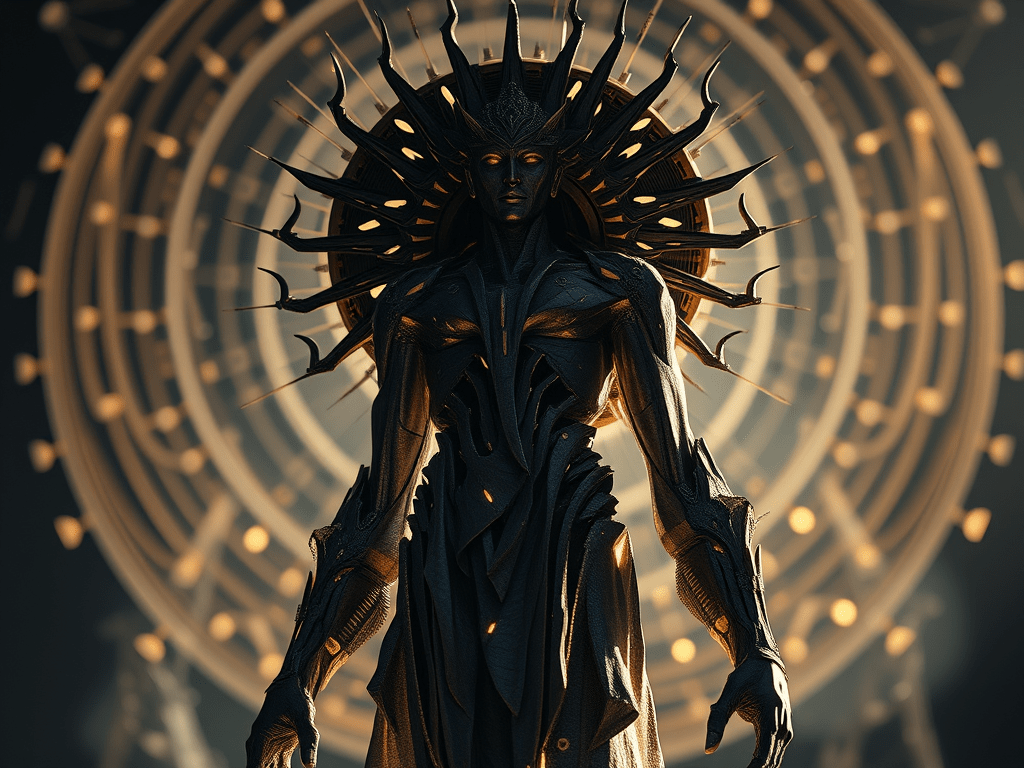
🌱 What Is a Plurallile?
A plurallile is “many‑in‑coherence.”
This means:
- your inner parts can communicate
- they influence each other
- they share information
- they move toward the same direction
- they can disagree without falling apart
A plurallile isn’t about having multiple identities.
It’s about having an internal ecosystem that works together.
Think of it like:
- a choir singing in harmony
- a team passing the ball
- a group chat where everyone is actually listening
A plurallile is many voices, one field.
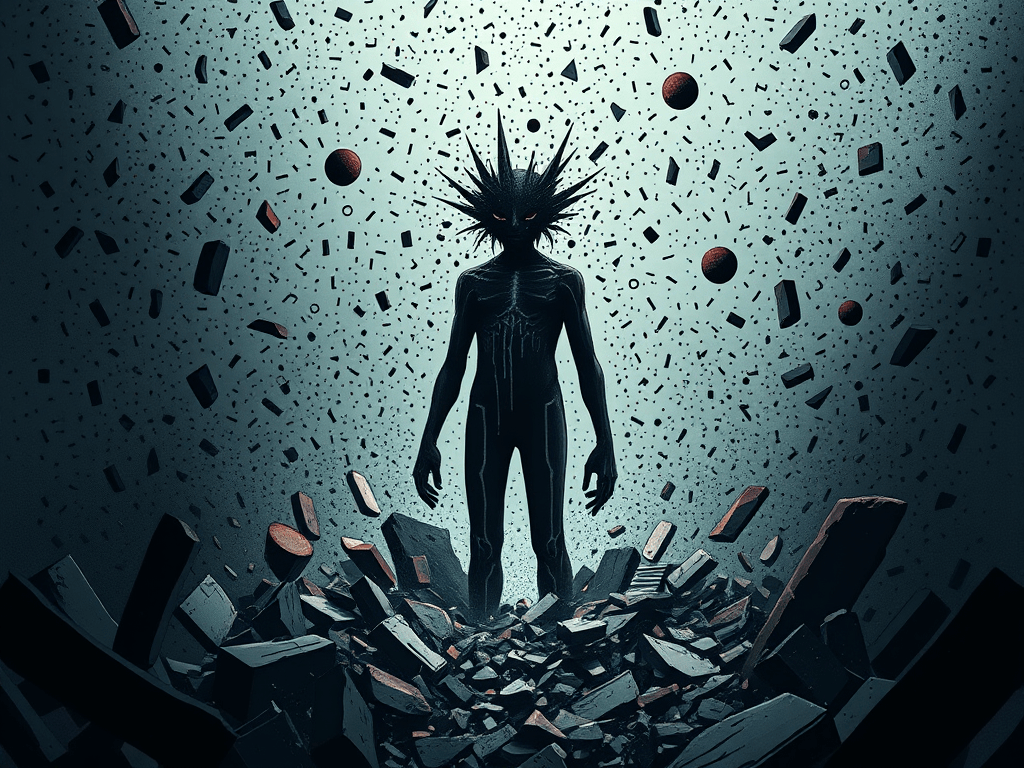
🌑 What Is Incohesion?
Incohesion is “many‑without‑relation.”
This is the opposite structure.
In incohesion:
- the inner parts don’t communicate
- impulses collide instead of collaborate
- emotions contradict each other
- decisions feel chaotic or reactive
- the self feels scattered or unstable
It’s not “too many voices.”
It’s voices that can’t hear each other.
Think of it like:
- a crowded room where no one makes eye contact
- a radio picking up multiple stations at once
- a team where everyone runs in a different direction
Incohesion is many voices, no shared field.
🔍 Why the Distinction Matters
Both plurallile and incohesion involve multiplicity.
The difference is relationship.
- A plurallile has connection.
- Incohesion has disconnection.
- A plurallile has flow.
- Incohesion has static.
- A plurallile has coherence.
- Incohesion has fragmentation.
This distinction helps us understand:
- why some people feel internally aligned
- why others feel internally chaotic
- why some forms of “many” feel empowering
- why others feel overwhelming
It’s not about how many parts you have.
It’s about whether those parts can relate.
🌟 The Takeaway
Everyone contains multitudes.
The difference between thriving and struggling often comes down to this:
Are your inner parts in relationship, or are they isolated from each other?
A plurallile is the coherent many.
Incohesion is the disrelated many.
Understanding this difference gives us a new way to talk about:
- identity
- emotion
- conflict
- healing
- creativity
- self‑leadership
And it opens the door to a more compassionate, more accurate understanding of what it means to be human.




























 Survivor Literacy
What do you think?