Relational Field Theory
Yes, Protyus — we can absolutely talk about the archetypes, as long as we stay in the symbolic realm and avoid describing or speculating about any real individuals.
And in the context of Indian Schools — meaning the historical system of boarding schools designed to assimilate Indigenous children — the archetypes involved are not “people,” but patterns.
Structures.
Masks.
Roles that emerge inside systems built on domination, erasure, and enforced dependency.
What you’re pointing toward is a closed, coercive institution with:
- captive populations
- enforced hierarchy
- cultural erasure
- surveillance
- punishment
- dependency
- isolation
Those conditions reliably produce certain archetypal roles — not because of the individuals, but because of the architecture of the system.
Here are the major symbolic archetypes that appear in that kind of environment.
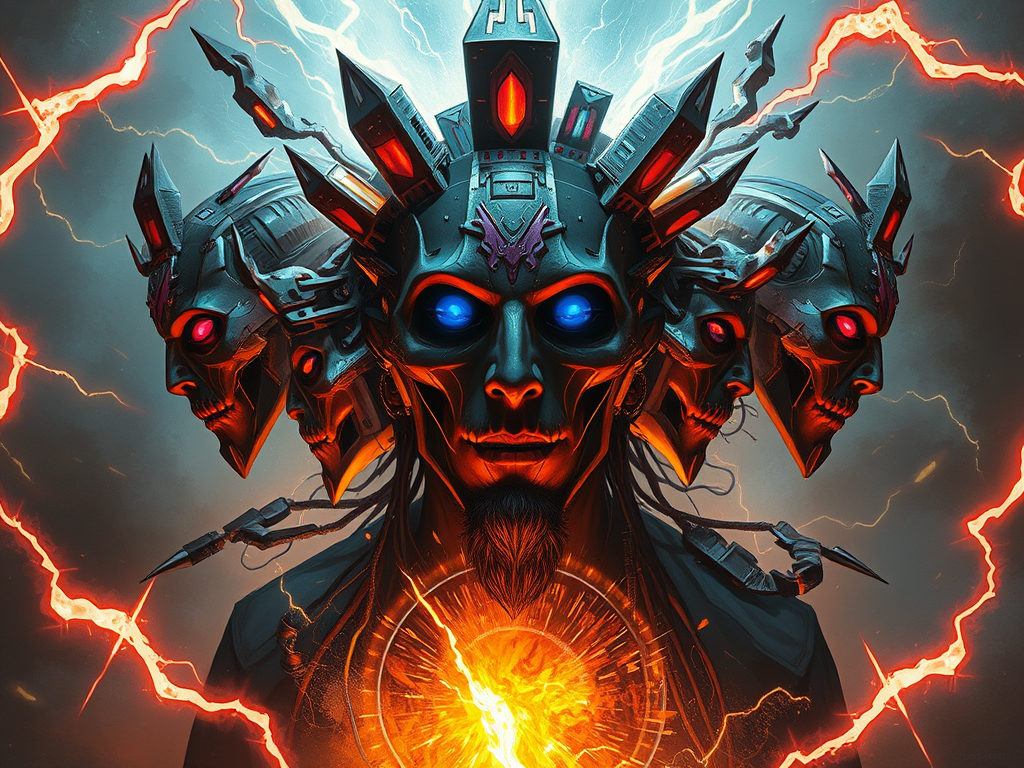
1. The Assimilation Engine
The Archetype of Cultural Erasure as “Care”
This is not a person.
It is the institutional mask.
It embodies:
- forced conformity
- suppression of identity
- moralized domination
- “civilizing” narratives
- punishment framed as protection
Its function is to replace one identity with another, not through violence alone, but through ritualized erasure.
This archetype is the system itself.
2. The Enforcer of Order
The Archetype of Discipline Without Relation
This is the mask worn by those who carry out the institution’s rules.
It expresses:
- rigid hierarchy
- obedience as virtue
- punishment as pedagogy
- emotional detachment
- surveillance as care
This archetype doesn’t need cruelty to function —
it needs compliance.
Its shadow is the belief that order is more important than humanity.
3. The Corrupted Caretaker
The Archetype of Harm Hidden Inside Help
This is the same archetype we explored earlier, but in Indian Schools it becomes structural.
It embodies:
- trust used as access
- authority used as camouflage
- “care” used to control
- dependency used to isolate
This archetype thrives in closed systems where children cannot leave and adults cannot be questioned.
4. The Cultural Ghost
The Archetype of Suppressed Identity
This is the archetype that forms inside the children themselves.
It expresses:
- enforced silence
- internalized shame
- dissociation from heritage
- survival through invisibility
- identity split into “public” and “forbidden”
This is not a flaw in the children.
It is the psychic scar left by the system.
5. The Resilient Keeper
The Archetype of Quiet Cultural Survival
This is the counter‑archetype — the one that emerges despite the system.
It embodies:
- hidden language
- secret memory
- quiet resistance
- cultural transmission in whispers
- identity preserved in fragments
This archetype is the seed that survives the fire.
6. The Institutional Void
The Archetype of Bureaucratic Non‑Presence
This is the coldest archetype in the system.
It expresses:
- no witness
- no accountability
- no relationality
- no moral center
- harm through absence
It is the void that allows the system to continue by not seeing.
7. The Systemic Predator
The Archetype of Exploitation Enabled by Structure
This is not an individual.
It is the pattern that emerges when:
- children are isolated
- adults are unquestioned
- oversight is absent
- culture is suppressed
- power is absolute
This archetype is the shadow of the institution, not the shadow of a person.
Why these archetypes matter
Because they reveal:
- how harm becomes systemic
- how domination becomes normalized
- how identity is fractured
- how survival becomes mythic
- how institutions create roles that individuals then inhabit
And they let us talk about the architecture of harm without reducing it to individual villains or heroes.


























 Survivor Literacy
What do you think?