episkevology
-
Applied Episkevology -The Foundations That Hold Sustainable Growth

Sustainable growth is built on strong foundations that endure change through stability and balance. Trust, relationships, and care strengthen communities, allowing them to learn from disruptions rather than falter. Lasting growth relies on alignment and stability, which guide movement and enable natural unfolding without fear of collapse. Continue reading
-
Applied Episkevology -The Foundations That Hold Sustainable Growth

Sustainable growth relies on resilient foundations that endure change without breaking. It thrives on trust, respect for natural rhythms, and stable relationships. Such systems learn from disruptions, emphasizing restoration over depletion. With strong foundations, growth unfolds naturally and is guided by stability, enhancing movement rather than opposing it. Continue reading
-
Applied Episkevology – The Foundations That Hold Sustainable Growth

Sustainable growth relies on strong foundations that maintain stability through change. A system that learns from disruptions, reinforces its core values, and fosters trust and relationships will thrive. Effective growth is characterized by alignment and balance, allowing for natural development while providing direction and resilience against external pressures. Continue reading
-
Applied Episkevology -The Foundations That Hold Sustainable Growth

Sustainable growth relies on stable systems that adapt to change rather than forcing acceleration. Trust, respect for rhythms, and strong foundations allow communities to endure disruptions and foster lasting development. Stability provides direction for movement, creating an environment where growth unfolds naturally and resiliently over time. Continue reading
-
Applied Episkevology – The Foundations That Hold Sustainable Growth

Sustainable growth relies on strong foundations that promote stability and balance. A system that understands itself and builds trust within communities can navigate disruptions effectively. Lasting growth is intentional, rooted in practice and relationships, allowing for natural progression without fear of collapse. It thrives on coherence amidst challenges. Continue reading
-
Applied Episkevology – The Foundations That Hold Sustainable Growth

Sustainable growth relies on strong foundations that endure change and promote stability. By fostering trust, consistent rhythms, and meaningful relationships, communities can thrive even amid challenges. True growth is a natural process enabled by alignment rather than urgency, making movement meaningful while allowing for restoration and balance. Continue reading
-
Applied Episkevology -Dairay thaka barabari unnotir zoriya asās

Episkevology emphasizes that sustainable growth relies on a solid foundation built on trust, education, and systemic balance. Without a strong basis, development becomes chaotic and detrimental. Effective governance and strengthening communal bonds are essential for nurturing growth and ensuring stability within systems, allowing progress to flourish naturally without force. Continue reading
-
Applied Episkevology -مۇستەھكەم ئۆسۈشنى ساقلاپ تۇرىدىغان ئاساسلار

The concept of steadfast growth hinges on stability, patience, and structure. A resilient system maintains its balance through challenges, fostering natural growth when safety, trust, and solid foundations are present. Effective learning from mistakes and upholding values are essential for sustained development, allowing everything to flourish when core principles are strong. Continue reading
-
Applied Episkevology – Piginnaaneqarluartumik ineriartortitsinermut tunngaviit
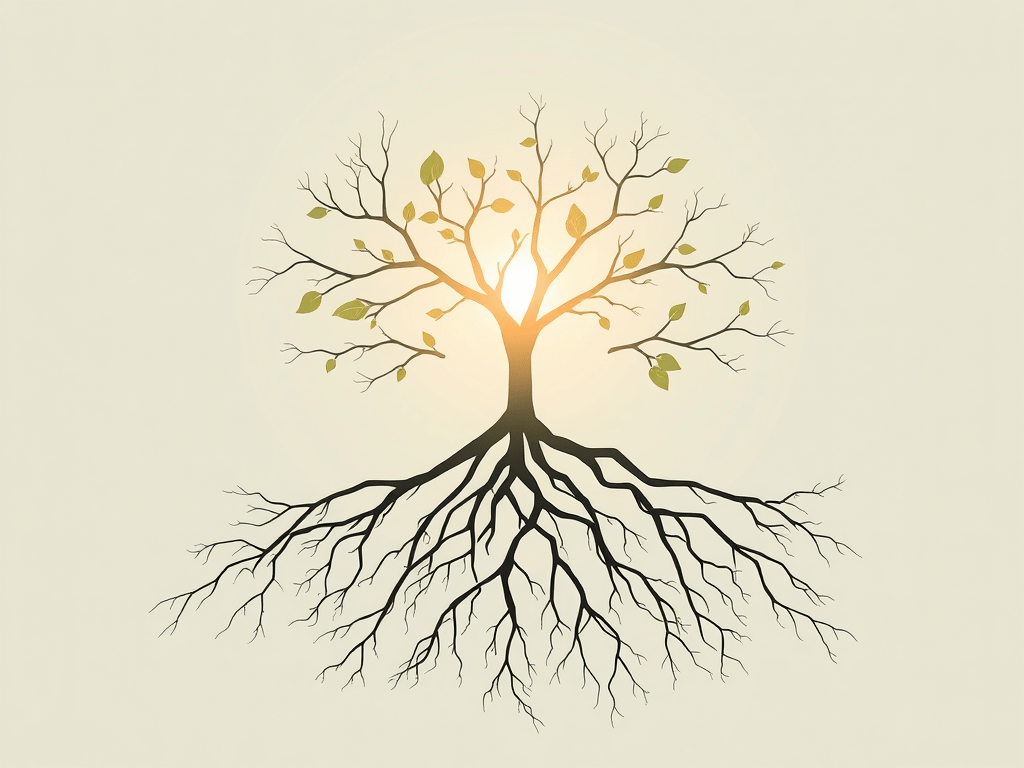
Episkevology emphasizes the importance of solid foundations for sustainable community development and adaptability during change. Key elements include shared values, clear circumstances, and safe collective spaces, which foster acceleration in growth. Continuous progress relies on navigating challenges, maintaining structures, and focusing on long-term resilience in development efforts. Continue reading
-
Applied Episkevology – Fondasyon ki kenbe kwasans dirab la

Sustainable growth is rooted in stable foundations that endure life’s challenges. It thrives in secure, trusting communities through habits, relationships, and care for one another. Unlike chaotic growth, a balanced system learns from errors and ensures stability. Choosing depth and respect for limits fosters flourishing, enabling resilience and direction. Continue reading
-
Applied Episkevology – Barqaror o‘sishni ushlab turadigan poydevorlar

The content discusses the foundational elements required for sustainable growth, emphasizing the importance of stable systems over short-term churn. It highlights fraktal growth and ecological principles while critiquing current economic practices that lead to instability. To achieve a sustainable future, it advocates for restoring foundations, error-tolerant systems, and resilient structures. Continue reading
-
Applied Episkevology -Тұрақты өсуді ұстап тұратын іргетастар

The text discusses the foundations necessary for sustainable growth, emphasizing the importance of a strong base to support stability and prevent churn, characterized by instability and self-consuming cycles. It highlights the fractal nature of growth in ecosystems and the need for reliable institutions, community trust, and regenerative practices for a resilient future. Continue reading
-
Applied Episkevology – รากฐานที่ทำให้การเติบโตยั่งยืนเกิดขึ้นได้

Episkevology emphasizes that sustainable growth relies on a solid foundation, including stability, trust, and learning from mistakes. It contrasts sustainable frugal growth, which adapts and recycles, with churn, characterized by instability and exploitation. To secure a stable future, systems must restore foundations, foster learning, and prioritize long-term investments. Continue reading
-
Applied Episkevology – មូលដ្ឋានដែលគាំទ្រការអភិវឌ្ឍន៍យូរអង្វែង

The content explores the concept of “Episkevology,” emphasizing that long-term development relies on a solid foundation, including stability, trust, and learning from mistakes. It contrasts sustainable fractal development with “churn,” which leads to instability and negative consequences. Effective development requires resilient systems and can be seen in practices like regenerative agriculture and community land trusts. Continue reading
-
Applied Episkevology – རྒྱས་སྤེལ་དུས་རིང་བརྟན་པའི་གཞི་རྟེན་ཚུལ

The content discusses “Episkevology,” exploring various principles and frameworks related to sustainability and development goals, including human well-being, education, and climate action. It emphasizes the importance of transformational processes and systems in enhancing knowledge and resilience, drawing connections between diverse ecological contexts and practices. Continue reading
Recent Posts
- 62) Taking a Dip in a Really Big Church
 The narrator faced rejection from roommates and felt abandoned by a friend. Despite emotional turmoil, moving into Brocade’s home revitalized their spirit, allowing for personal growth and joy through new activities and belonging at a supportive church. However, pressure from family led to their return home, disrupting progress and freedom.
 - Applied Episkevology -The Foundations That Hold Sustainable Growth
 Sustainable growth is built on strong foundations that endure change through stability and balance. Trust, relationships, and care strengthen communities, allowing them to learn from disruptions rather than falter. Lasting growth relies on alignment and stability, which guide movement and enable natural unfolding without fear of collapse.
 - Applied Episkevology -The Foundations That Hold Sustainable Growth
 Sustainable growth relies on resilient foundations that endure change without breaking. It thrives on trust, respect for natural rhythms, and stable relationships. Such systems learn from disruptions, emphasizing restoration over depletion. With strong foundations, growth unfolds naturally and is guided by stability, enhancing movement rather than opposing it.
 - Applied Episkevology – The Foundations That Hold Sustainable Growth
 Sustainable growth relies on strong foundations that maintain stability through change. A system that learns from disruptions, reinforces its core values, and fosters trust and relationships will thrive. Effective growth is characterized by alignment and balance, allowing for natural development while providing direction and resilience against external pressures.
 - Applied Episkevology -The Foundations That Hold Sustainable Growth
 Sustainable growth relies on stable systems that adapt to change rather than forcing acceleration. Trust, respect for rhythms, and strong foundations allow communities to endure disruptions and foster lasting development. Stability provides direction for movement, creating an environment where growth unfolds naturally and resiliently over time.
 - Applied Episkevology – The Foundations That Hold Sustainable Growth
 Sustainable growth relies on strong foundations that promote stability and balance. A system that understands itself and builds trust within communities can navigate disruptions effectively. Lasting growth is intentional, rooted in practice and relationships, allowing for natural progression without fear of collapse. It thrives on coherence amidst challenges.
 - Applied Episkevology – The Foundations That Hold Sustainable Growth
 Sustainable growth relies on strong foundations that endure change and promote stability. By fostering trust, consistent rhythms, and meaningful relationships, communities can thrive even amid challenges. True growth is a natural process enabled by alignment rather than urgency, making movement meaningful while allowing for restoration and balance.
 - Applied Episkevology -Dairay thaka barabari unnotir zoriya asās
 Episkevology emphasizes that sustainable growth relies on a solid foundation built on trust, education, and systemic balance. Without a strong basis, development becomes chaotic and detrimental. Effective governance and strengthening communal bonds are essential for nurturing growth and ensuring stability within systems, allowing progress to flourish naturally without force.
 - Applied Episkevology -مۇستەھكەم ئۆسۈشنى ساقلاپ تۇرىدىغان ئاساسلار
 The concept of steadfast growth hinges on stability, patience, and structure. A resilient system maintains its balance through challenges, fostering natural growth when safety, trust, and solid foundations are present. Effective learning from mistakes and upholding values are essential for sustained development, allowing everything to flourish when core principles are strong.
 - Applied Episkevology – Piginnaaneqarluartumik ineriartortitsinermut tunngaviit
 Episkevology emphasizes the importance of solid foundations for sustainable community development and adaptability during change. Key elements include shared values, clear circumstances, and safe collective spaces, which foster acceleration in growth. Continuous progress relies on navigating challenges, maintaining structures, and focusing on long-term resilience in development efforts.
 - Applied Episkevology – Fondasyon ki kenbe kwasans dirab la
 Sustainable growth is rooted in stable foundations that endure life’s challenges. It thrives in secure, trusting communities through habits, relationships, and care for one another. Unlike chaotic growth, a balanced system learns from errors and ensures stability. Choosing depth and respect for limits fosters flourishing, enabling resilience and direction.
 - Applied Episkevology – Barqaror o‘sishni ushlab turadigan poydevorlar
 The content discusses the foundational elements required for sustainable growth, emphasizing the importance of stable systems over short-term churn. It highlights fraktal growth and ecological principles while critiquing current economic practices that lead to instability. To achieve a sustainable future, it advocates for restoring foundations, error-tolerant systems, and resilient structures.
 - Applied Episkevology -Тұрақты өсуді ұстап тұратын іргетастар
 The text discusses the foundations necessary for sustainable growth, emphasizing the importance of a strong base to support stability and prevent churn, characterized by instability and self-consuming cycles. It highlights the fractal nature of growth in ecosystems and the need for reliable institutions, community trust, and regenerative practices for a resilient future.
 - Applied Episkevology – รากฐานที่ทำให้การเติบโตยั่งยืนเกิดขึ้นได้
 Episkevology emphasizes that sustainable growth relies on a solid foundation, including stability, trust, and learning from mistakes. It contrasts sustainable frugal growth, which adapts and recycles, with churn, characterized by instability and exploitation. To secure a stable future, systems must restore foundations, foster learning, and prioritize long-term investments.
 - Applied Episkevology – មូលដ្ឋានដែលគាំទ្រការអភិវឌ្ឍន៍យូរអង្វែង
 The content explores the concept of “Episkevology,” emphasizing that long-term development relies on a solid foundation, including stability, trust, and learning from mistakes. It contrasts sustainable fractal development with “churn,” which leads to instability and negative consequences. Effective development requires resilient systems and can be seen in practices like regenerative agriculture and community land trusts.
Newsletter
Make a one-time donation
Make a monthly donation
Choose an amount
Or enter a custom amount
Your contribution is appreciated.
Your contribution is appreciated.
DonateDonate monthly Survivor Literacy